





















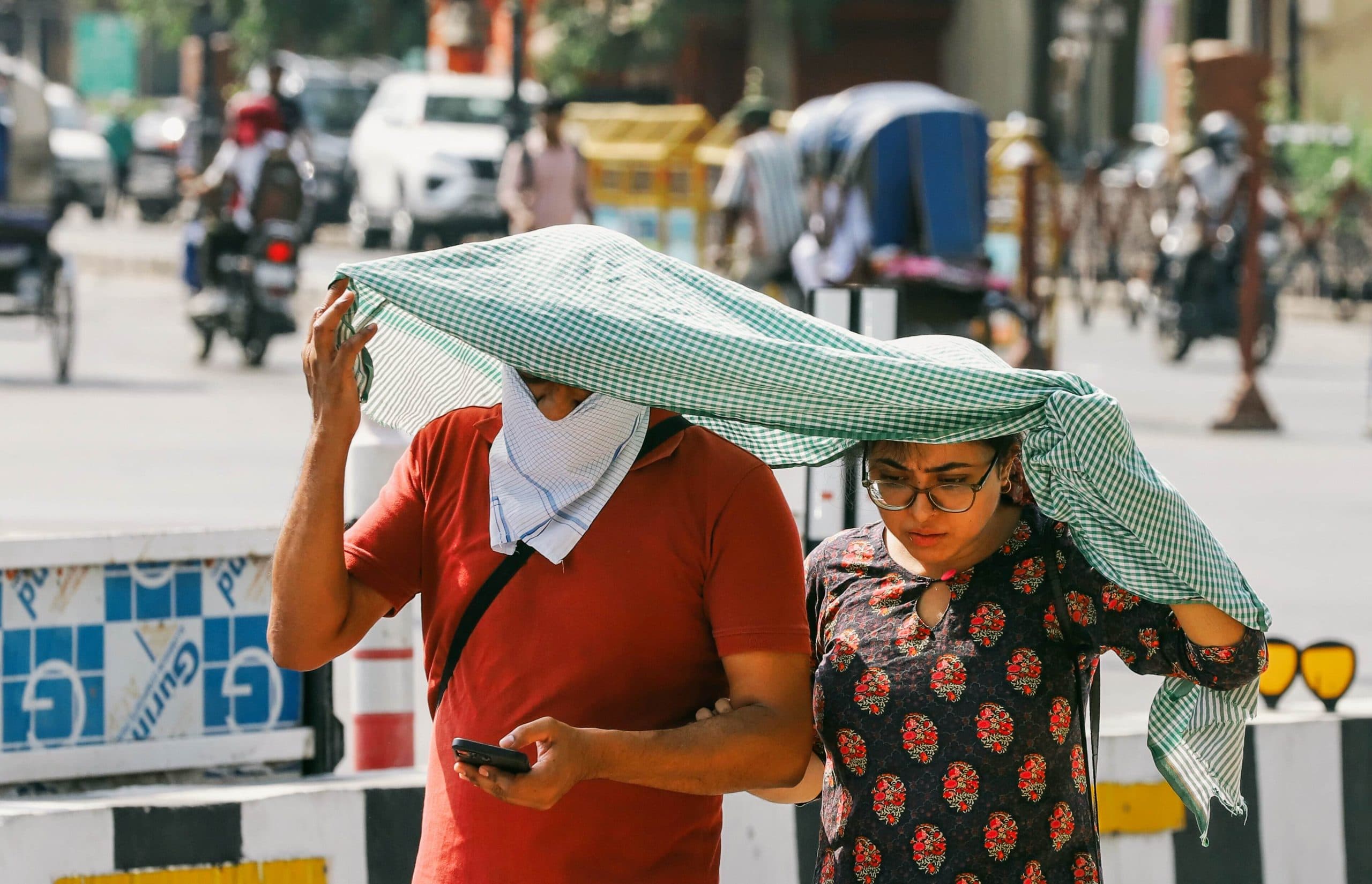
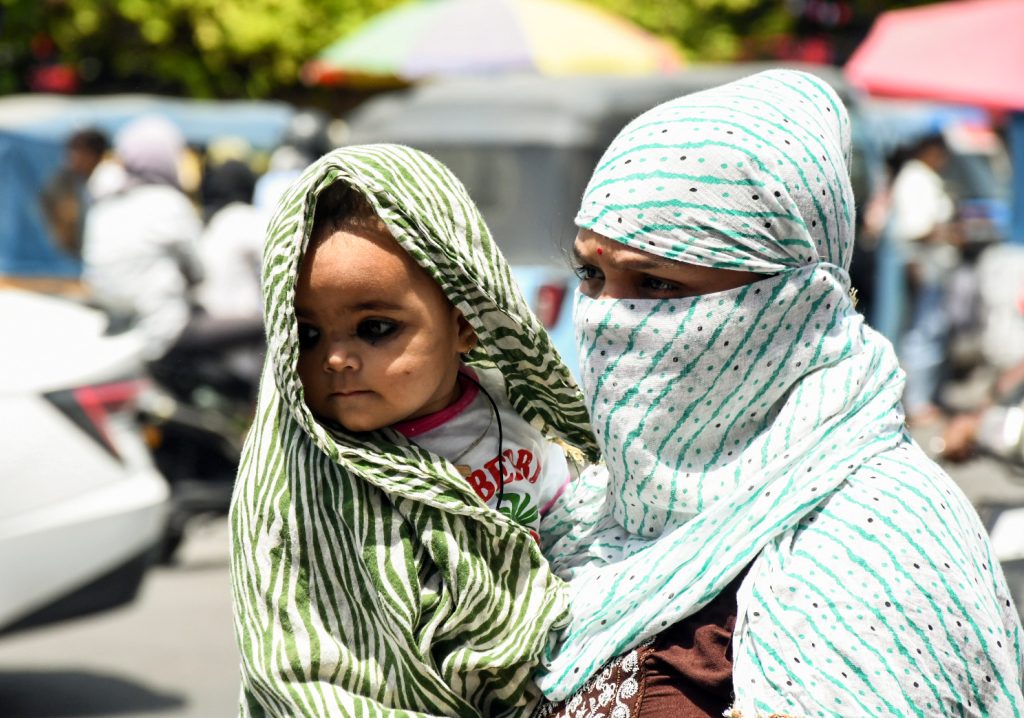
The Centre has intensified monitoring of rainfall-deficit regions after India recorded its fifth-driest June since weather records began in 1901, with Union Home Minister Amit Shah directing ministries and state governments to remain vigilant amid concerns over potential drought conditions linked to El Niño.
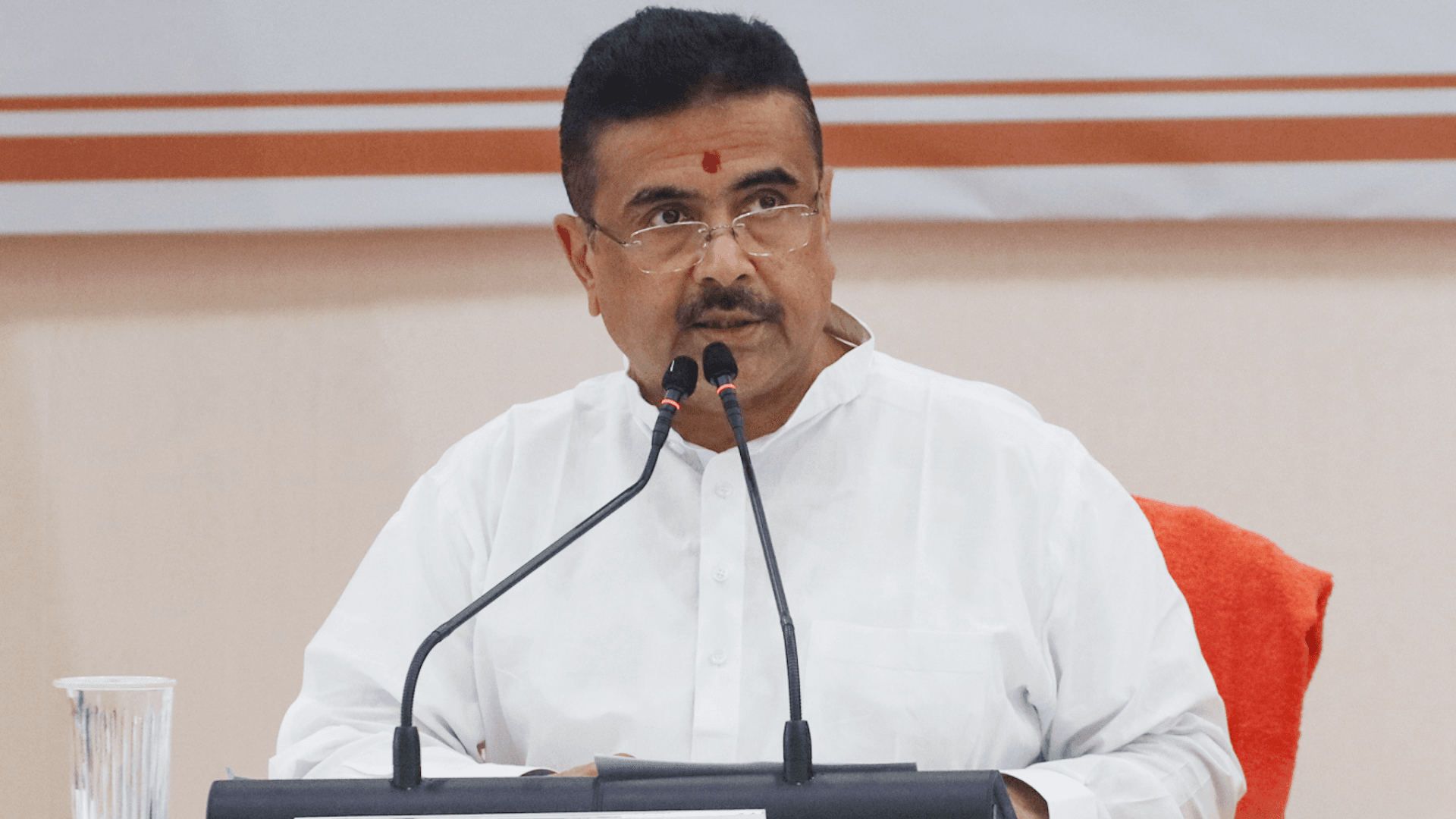
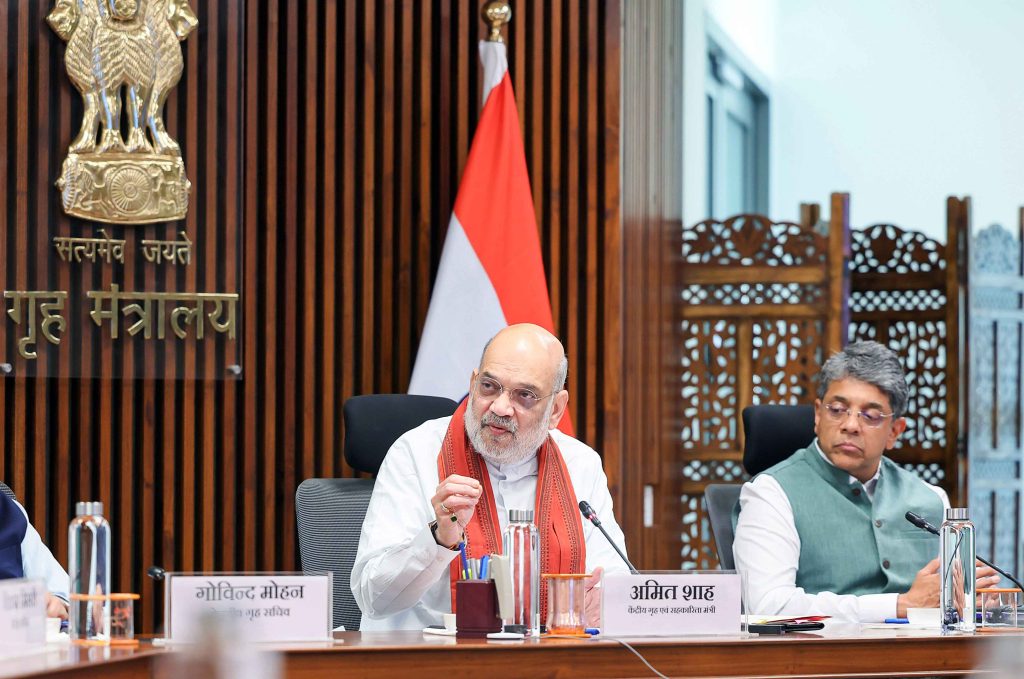
Shah chaired a high-level meeting on Friday that reviewed the effects of below-normal rainfall on agriculture, water and electricity, and urged for measures to ensure minimum disruption in the current kharif season.
Also Read | Are banks open today, July 4? Here’s the latest RBI holiday update
As per data from India Meteorological Department (IMD), rainfall in India was just 99.5 mm in June 2026 as compared to the normal 165.3 mm, which made for a shortfall of about 39.8 per cent.
“The government is continuously monitoring the situation regarding below-normal rainfall and potential drought conditions in certain parts of the country due to El Niño,” Shah said, according to an official statement issued after the meeting.
India Faces One Of Its Driest Junes On Record
The IMD’s data places June 2026 among the driest months recorded in over a century, raising concerns about agricultural output and water security.
The review meeting was attended by Union Agriculture Minister Shivraj Singh Chouhan, along with senior officials from the ministries of agriculture, water resources, power, consumer affairs, environment and disaster management agencies.
Shah directed the agriculture ministry to work closely with state governments and advise farmers on suitable crop patterns for the kharif season, especially in regions facing severe rainfall deficits.
He also emphasised the need to ensure uninterrupted electricity supply to farmers and asked authorities to monitor reservoir levels across the country.
Centre Pushes Less Water-Intensive Crops
The home minister urged states to promote cultivation of crops requiring less water, including millets, pulses and fodder crops, to reduce pressure on water resources.
According to official data reviewed during the meeting, the area under kharif cultivation stood at 182.72 lakh hectares as of June 25, representing a decline of nearly 23 per cent compared to the same period last year.
Central India recorded the sharpest rainfall deficit during June, with precipitation levels falling by 50.4 per cent, according to IMD figures.
The weather department has also projected below-normal rainfall during July, increasing concerns over agricultural productivity and water availability.
Officials informed the meeting that the country currently has adequate stocks of essential food grains, including rice and wheat, and that prices of essential commodities remain stable.
Flood-Hit States To Be Assessed
Besides reviewing the situation regarding drought, Shah has asked the Ministry of Home Affairs to depute the IMCT to Assam and Arunachal Pradesh for assessing the impact of heavy rainfall leading to floods and landslides.
Also Read | Why is the Centre summoning Meta over Instagram ads? Here’s what happened
Floods have been caused due to rising river water levels in several districts of Assam whereas landslide and road disruption has been caused by rainfall in certain areas of Arunachal Pradesh.
The review meeting was held in attendance of representatives from the NDMA, IMD, Central Water Commission, Indian Agricultural Research Institute and National Remote Sensing Centre.
What Is El Niño?
El Niño is a weather pattern caused by an increase in the temperature of the waters on the surface of the tropical Pacific Ocean. It is one of the phases of the El Niño Southern Oscillation (ENSO) pattern, and it is usually characterized by weak monsoons in India.
Its counterpart, La Niña, usually results in strong monsoons.
FAQs
Q1. Why is India facing drought fears in 2026?
It experienced its fifth-lowest rainfall in June since 1901, which was 40% below average.
Q2. What was directed by Amit Shah?
Amit Shah instructed all ministries and state governments to keep close tabs on the drought situation and to encourage less water-intensive crops, ensure power supply and manage water resources efficiently.