























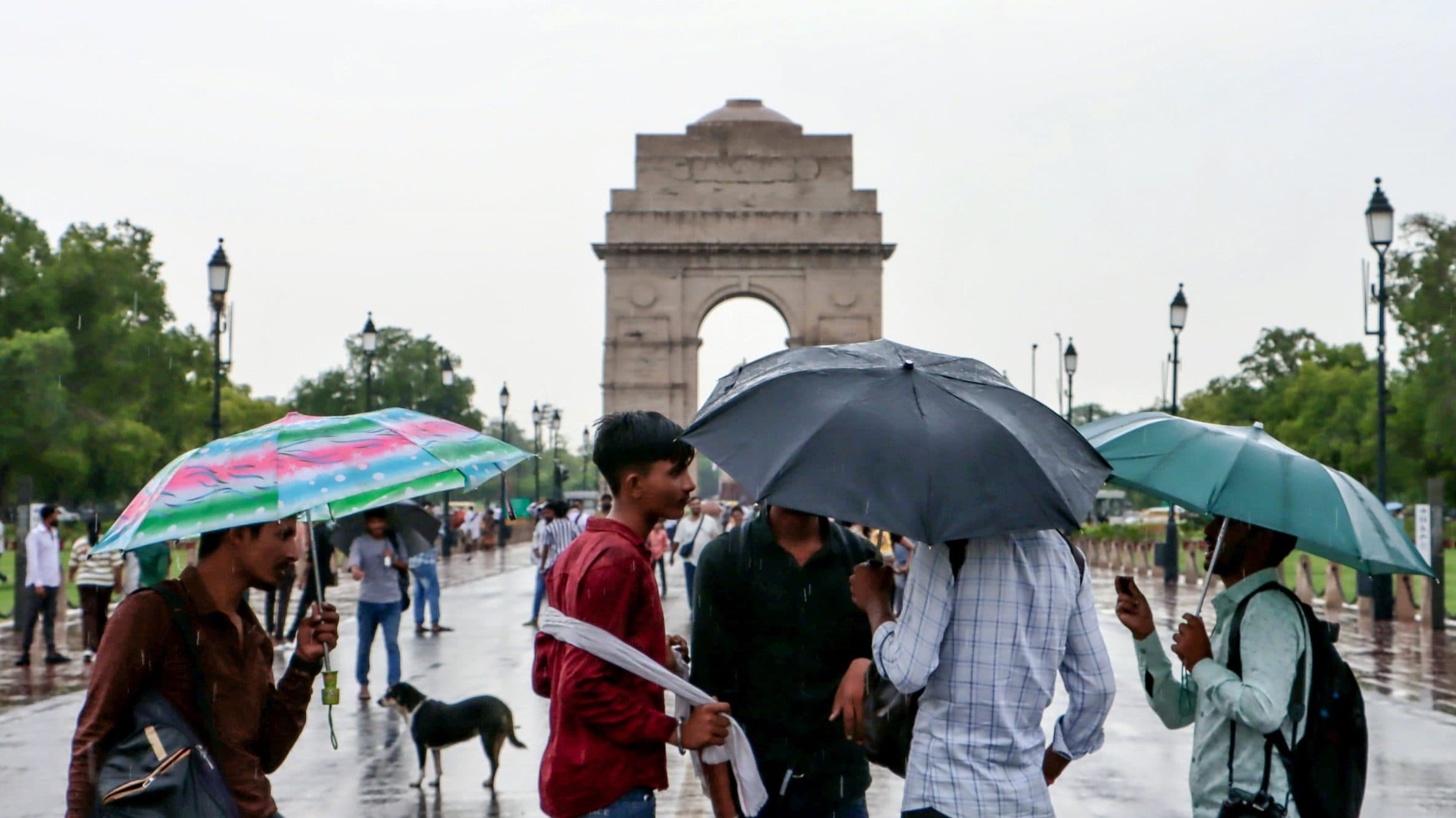
The arrival of the monsoon usually brings relief from scorching summer temperatures. But across many Indian cities, the rain is no longer enough to make people feel comfortable. Rising humidity, warmer nights and changing weather patterns are making conditions more oppressive, even after the monsoon sets in.
In Delhi, for instance, the heat index, which reflects how hot it actually feels after factoring in humidity, touched 53 degree Celsius in late June. Even after the monsoon reached northern India, high humidity continued to make conditions uncomfortable, forcing cooling systems to work longer and increasing electricity demand.
Also Read | Mumbai rains disrupt airport operations: 5 flights diverted, 17 abort landings amid poor visibility
Humidity and warm nights are changing the heat story
Experts cited by Hindustan Times say Indian cities are now facing a different kind of heat challenge. According to studies by the Council on Energy, Environment and Water (CEEW) and Climate Central, humid heat and persistently warm nights have increased significantly over the past few decades.
Climate Central found that India’s dangerously humid heat days have risen from 101 to 141 annually since the 1970s. Cities such as Delhi, Ghaziabad, Nagpur, Raipur, Ahmedabad and Jaipur have all recorded a sharp rise in such conditions.
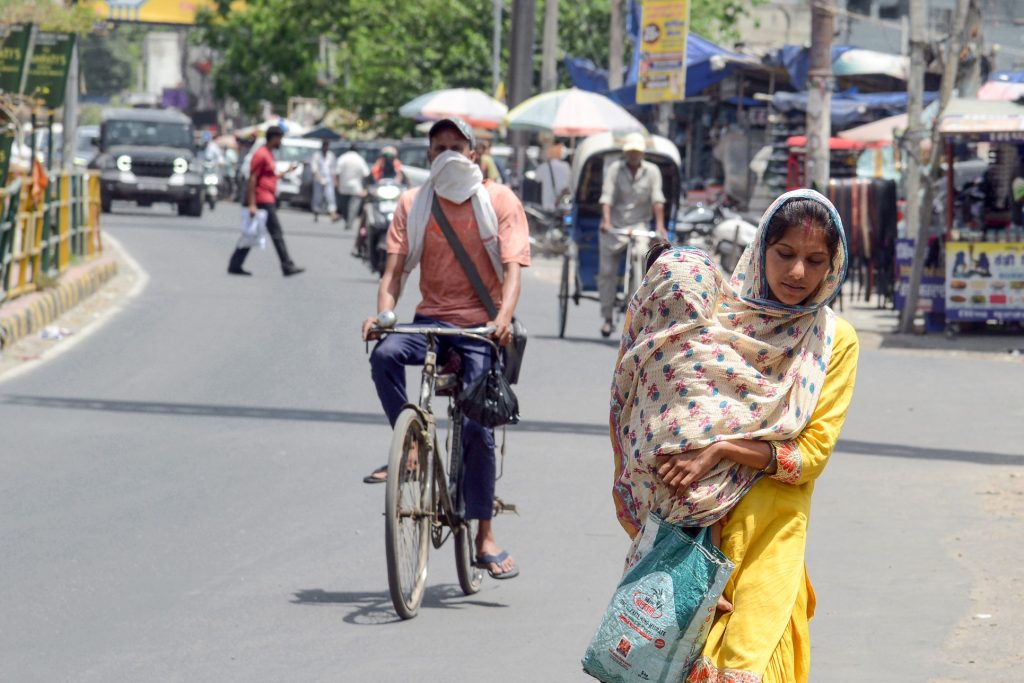
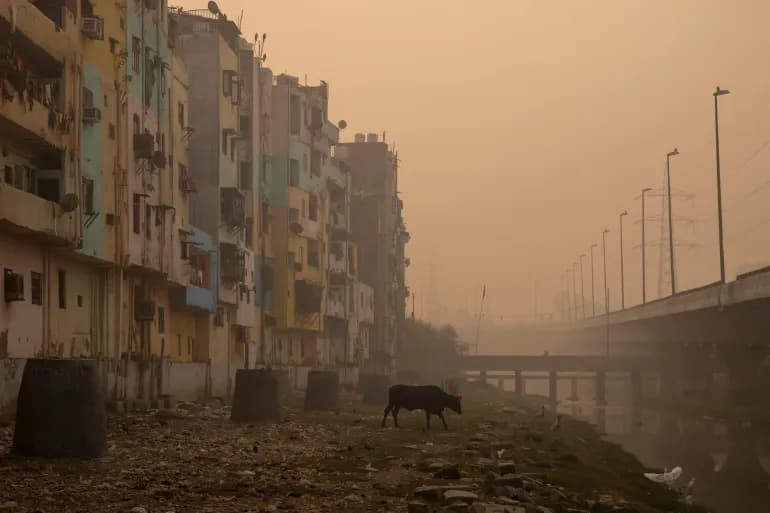
Scientists attribute the trend to warming oceans, which push more moisture inland through the Arabian Sea and the Bay of Bengal. Combined with rapid urbanisation and the Urban Heat Island effect, this moisture makes cities hotter, especially at night, when high humidity prevents temperatures from dropping.
Why traditional cooling solutions may not be enough
Per HT, experts believe many city heat action plans still focus mainly on daytime heat, while nighttime heat and humidity receive less attention.
Measures such as cool roofs, green cover and better ventilation can help, but they are not equally effective everywhere. Researchers say cool roofs work better on concrete buildings than on tin or cement-sheet roofs, while passive cooling techniques have limitations when outdoor temperatures and humidity remain high.
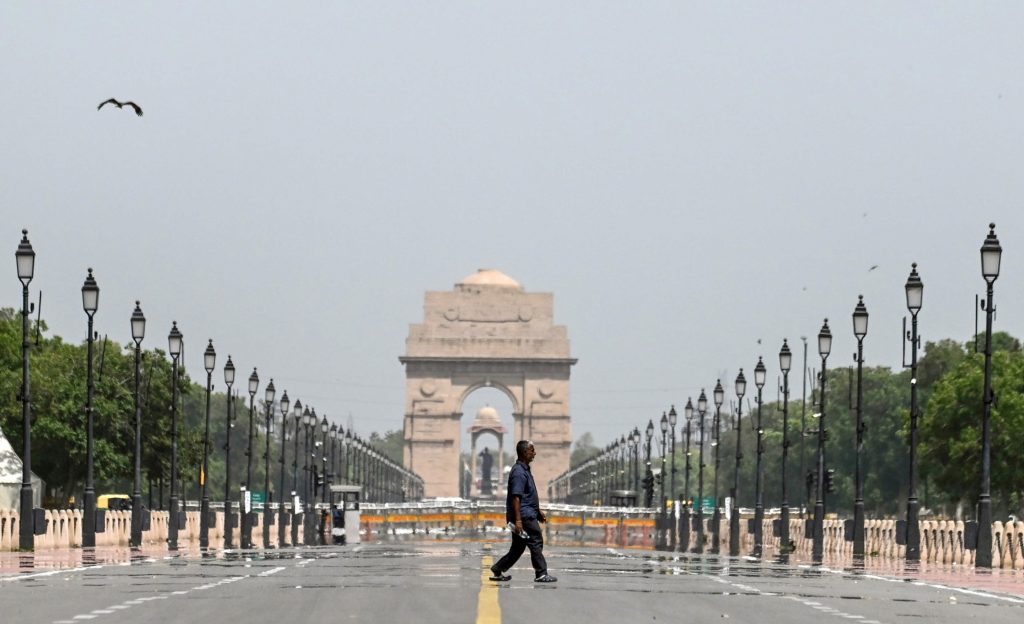
According to experts, future buildings should combine better materials, improved layouts and passive cooling methods to reduce dependence on air conditioners, which also add waste heat to cities.
Cities are planning for long-term heat resilience
Several cities are now updating their heat action plans to reflect changing weather patterns. Thane has introduced ward-level heat planning, while Chennai is integrating heat action into its master plan.
Also Read | IMD warns of more heavy rain as monsoon intensifies across India
Bhubaneswar is preparing to launch a climate-risk dashboard that will map heat stress at the building level using satellite imagery, weather data and local sensors. Officials believe the platform will support long-term planning for urban heat mitigation and could eventually be adopted by other cities.
As climate patterns continue to shift, experts say Indian cities will need year-round, locally tailored strategies that account not just for high temperatures, but also humidity, warm nights and the growing impact of urban heat.
FAQs:
Why do Indian cities feel hotter even after the monsoon arrives?
High humidity, warmer nights and the urban heat island effect make temperatures feel much hotter despite rainfall.
What is the heat index?
The heat index measures how hot it feels by combining air temperature with relative humidity.