















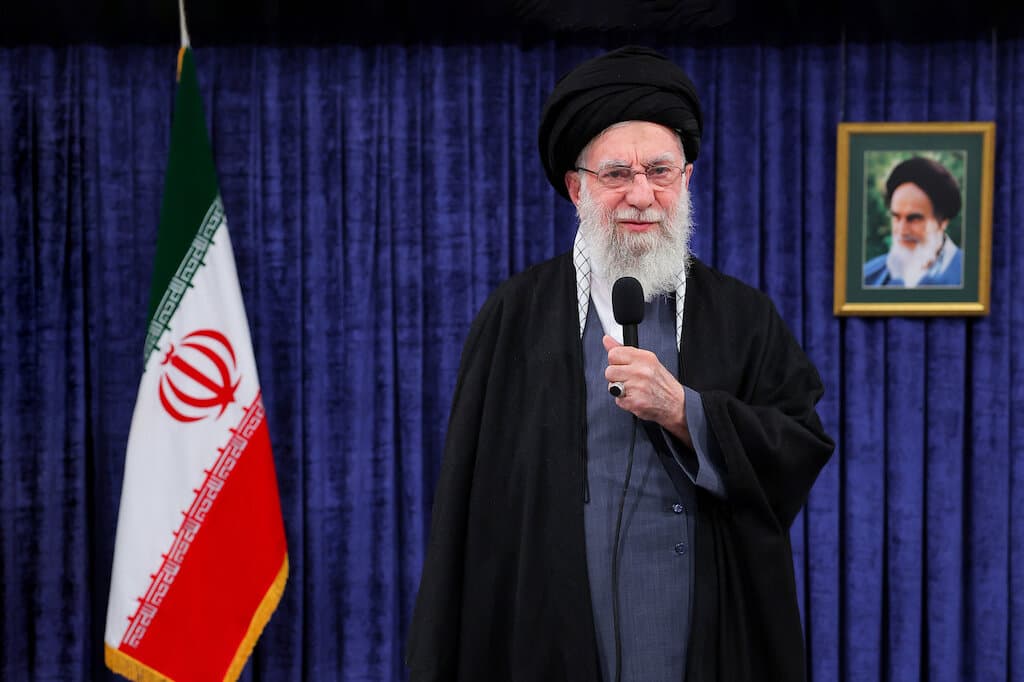
The Ali Khamenei funeral is finally underway after more than four months of uncertainty, bringing an end to widespread speculation over why Iran postponed the burial of its former supreme leader. Ayatollah Ali Khamenei was killed during US-Israeli strikes on February 28, but his funeral ceremonies only began this week, making it one of the longest delays in the burial of a major Islamic leader. Iranian authorities insist the postponement was driven by war, security risks, and religious considerations rather than political calculations.
The elaborate state ceremony is expected to attract millions of mourners across Iran and Iraq, with delegations from several countries, including India, Pakistan, and China, attending the final farewell.
Ali Khamenei funeral delayed due to war and security concerns
According to NDTV, the Ali Khamenei funeral was postponed because Iran remained under sustained military pressure following the conflict with Israel and the United States. Officials said active air strikes, security threats, and the unstable situation made it impossible to organise a nationwide funeral immediately after Khamenei’s death.
Rumours circulated that the former supreme leader had been buried secretly, but Iranian officials repeatedly denied those claims. Instead, they maintained that the body was preserved in refrigerated storage under Islamic guidelines until conditions allowed for a public ceremony.
Experts have also noted that Shia Islamic jurisprudence permits delayed burials in exceptional circumstances, especially during war or national emergencies.
Also Read | Qatar says US-Iran Doha talks make ‘positive progress’ despite Hormuz standoff
Religious customs shaped the funeral arrangements
According to NDTV, the Ali Khamenei funeral has also been carefully planned to reflect his status as one of the most influential Shia clerics in the world. His body will remain in state in Tehran before travelling to the holy Iraqi cities of Najaf and Karbala. The final burial is scheduled at the Imam Reza shrine in Mashhad, Khamenei’s birthplace.
Unlike many state funerals elsewhere, Islamic traditions discourage chemical embalming. Authorities said refrigerated preservation ensured the body remained in accordance with religious requirements throughout the delay.
The ceremony has become a significant religious and political event for Iran’s leadership as it seeks to demonstrate continuity following Khamenei’s death.
Also Read | $3 billion fund release, hotline plan: What happened in US-Iran Doha ‘indirect’ talks
Iran hopes funeral will reinforce national unity
NDTV noted that beyond paying tribute to its former leader, the Ali Khamenei funeral has become a powerful political message. Iranian leaders have urged citizens to participate in large numbers, describing the funeral as proof that support for the Islamic Republic remains strong despite economic hardship, international sanctions, and recent military conflict.
However, analysts believe public opinion inside Iran remains deeply divided. While state officials expect millions to attend, recent anti-government protests and public criticism of the ruling establishment suggest the funeral may not fully reflect the country’s political mood.
Even so, the Ali Khamenei funeral marks a defining moment in Iran’s modern history, symbolising both the end of one era and the beginning of another under new supreme leader Mojtaba Khamenei.