





















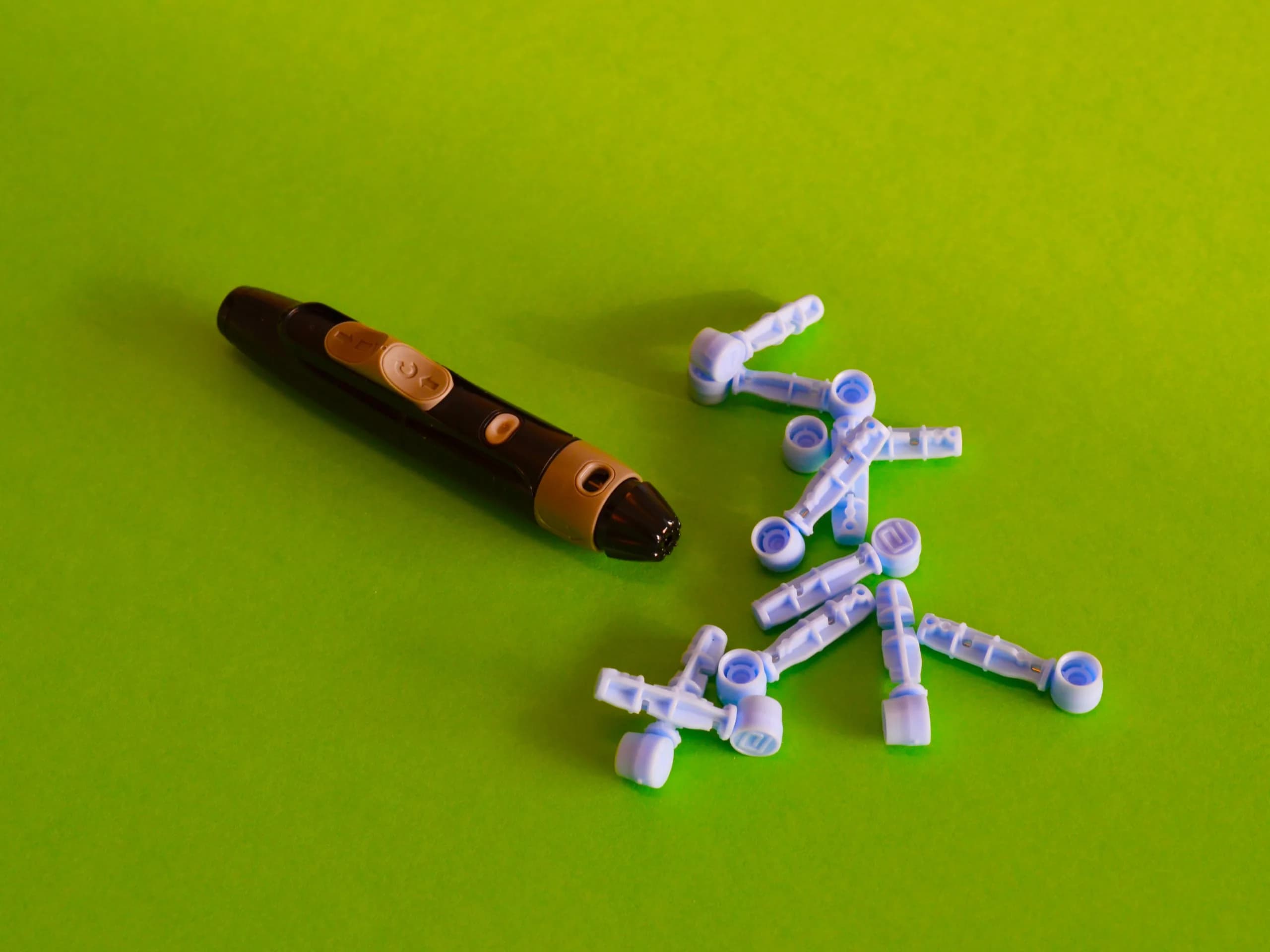
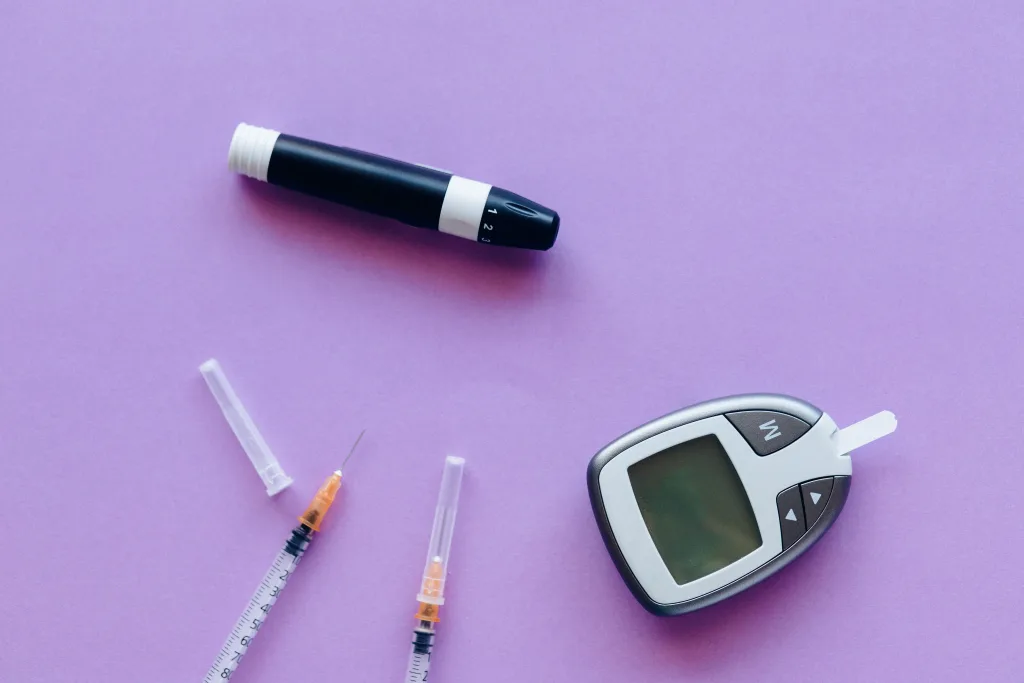
Novo Nordisk has launched Awiqli (insulin icodec) in India, making the country the sixth global market to receive the world’s first once-weekly basal insulin for adults with Type 1 and Type 2 diabetes.
The therapy, delivered through the FlexTouch pen device, reduces the number of insulin injections from 365 annually to just 52, a development experts believe could significantly improve treatment adherence among diabetes patients who delay insulin therapy because of the fear of daily injections.
Speaking to NDTV, Novo Nordisk India Managing Director Vikrant Shrotriya described the launch as “a solution for Type 2 diabetes” rather than simply another disruption in diabetes care.
Also Read | Mumbai leptospirosis cases rise as BMC issues monsoon health alert
According to the company, the insulin will be manufactured in Denmark and imported into India.
Why is the weekly insulin considered a breakthrough?
One of the biggest challenges in diabetes management is delayed insulin initiation.
According to Shrotriya, nearly 25-30% of diabetes patients may require insulin during the course of their illness, yet only around six to seven million people in India currently use it. He told NDTV that many patients postpone insulin therapy by seven to nine years, largely because of the burden of daily injections.
Novo Nordisk believes a once-weekly injection could reduce that psychological barrier while making treatment simpler and more convenient.
The company has priced the 1 ml Awiqli FlexTouch pen at ₹2,611 and the 3 ml pen at ₹7,833, translating to roughly ₹261-263 per week for patients using the indicative weekly dose.
Also Read | Telangana’s Rangareddy tops the list of India’s richest district
Shrotriya said the company is focusing on affordability and wider access, adding that Novo Nordisk expects the therapy to become a high-volume product through its distribution partnership with Abbott.
What do doctors say about Awiqli?
Endocrinologist Dr S.K. Wangnoo of Indraprastha Apollo Hospital told NDTV that the once-weekly insulin offers benefits beyond convenience.
According to him, the highly concentrated formulation releases insulin gradually over seven days, helping maintain stable blood sugar levels while reducing the risk of hypoglycaemia (dangerously low blood sugar), one of the biggest concerns associated with insulin therapy.

Dr Wangnoo said Awiqli has demonstrated effectiveness comparable to existing daily basal insulins while offering fewer injections and improved patient compliance.
The therapy has been approved for adults aged 18 years and above with both Type 1 and Type 2 diabetes following results from Novo Nordisk’s ONWARDS clinical trial programme.
Data from the ONWARDS-1 study showed the once-weekly insulin achieved superior HbA1c reduction and improved “time in range” compared with once-daily insulin glargine U100, while maintaining a comparable safety profile.
A significant step for diabetes care in India
India has more than 10 crore people living with diabetes and another 13 crore with prediabetes, making it one of the world’s largest diabetes populations.
Also Read | IMD issues landslide warning for Shimla, six Himachal districts as heavy rain continues
Health experts say easier treatment options could help bridge the country’s significant treatment gap.
Calling the launch “a defining moment” for diabetes care, Shrotriya said the weekly insulin regimen has the potential to remove both the physical and psychological barriers that prevent patients from starting insulin therapy on time.
FAQs
What is Awiqli?
Awiqli is Novo Nordisk’s once-weekly basal insulin (insulin icodec) approved for adults with Type 1 and Type 2 diabetes.
How is this different from daily insulin?
Weekly insulin requires only one injection every seven days instead of daily injections while offering comparable blood sugar control and a similar safety profile, according to clinical trial data.