


























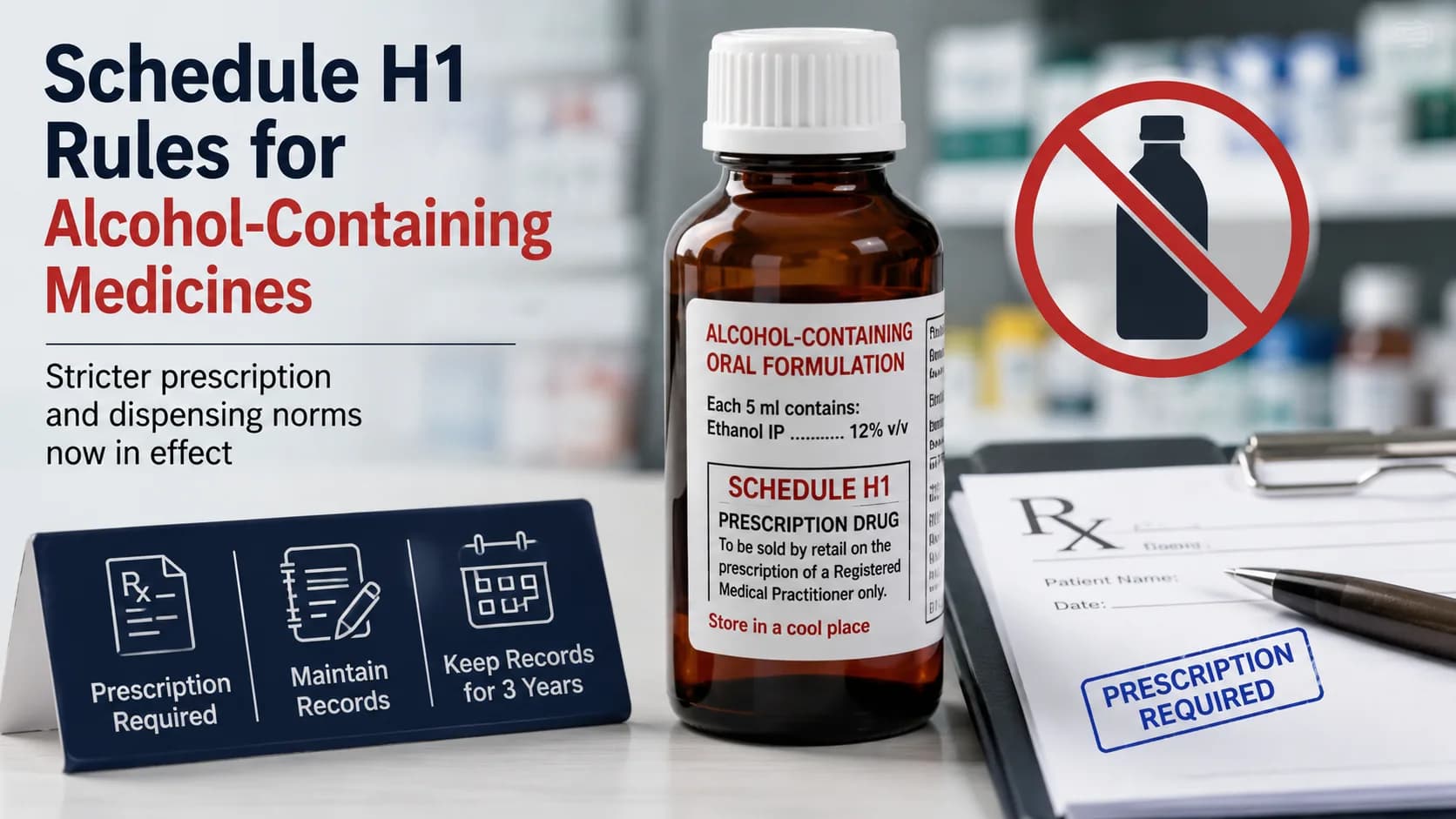
The Centre has tightened regulations for certain alcohol-containing medicines by amending the Drugs Rules, 1945. Under the new notification issued through the Gazette of India, all oral medicinal formulations containing more than 12 per cent ethyl alcohol and sold in bottles larger than 30 ml will now fall under Schedule H1.
The move is aimed at strengthening oversight of medicines that have a higher risk of misuse while ensuring they remain available for patients who genuinely need them on a doctor’s advice.
What changes under the new rule?
With the amendment, these medicines can no longer be sold as routine over-the-counter products.
Also Read | What makes the India-Australia uranium agreement a landmark deal? Here’s what we know
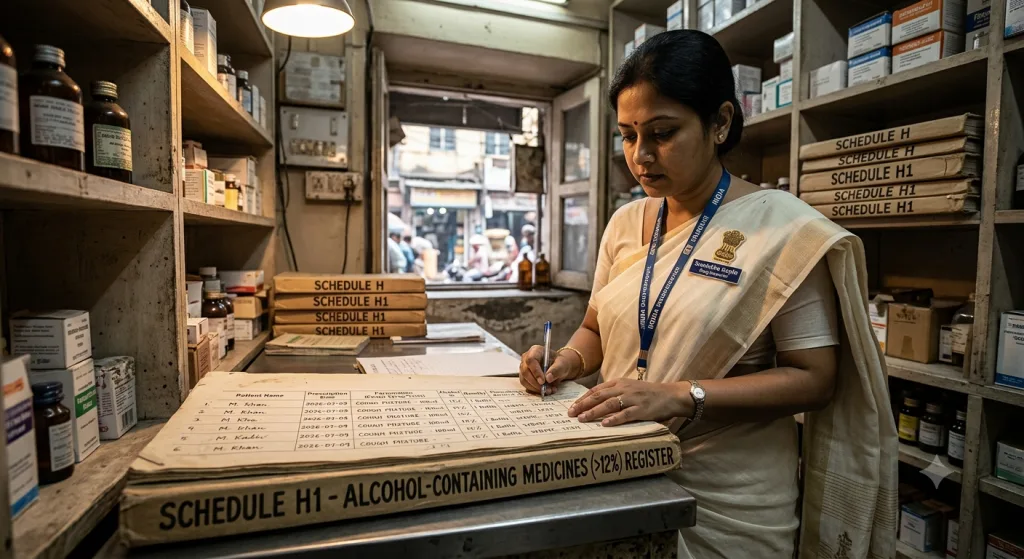
Pharmacies will now be required to dispense them only against a valid prescription issued by a registered medical practitioner. They must also maintain a separate register recording every sale and preserve prescriptions and dispensing records for at least three years for regulatory inspection, reported NDTV.
The change aligns these products with other medicines already covered under Schedule H1, where stricter monitoring is mandatory.
Why has the government acted?
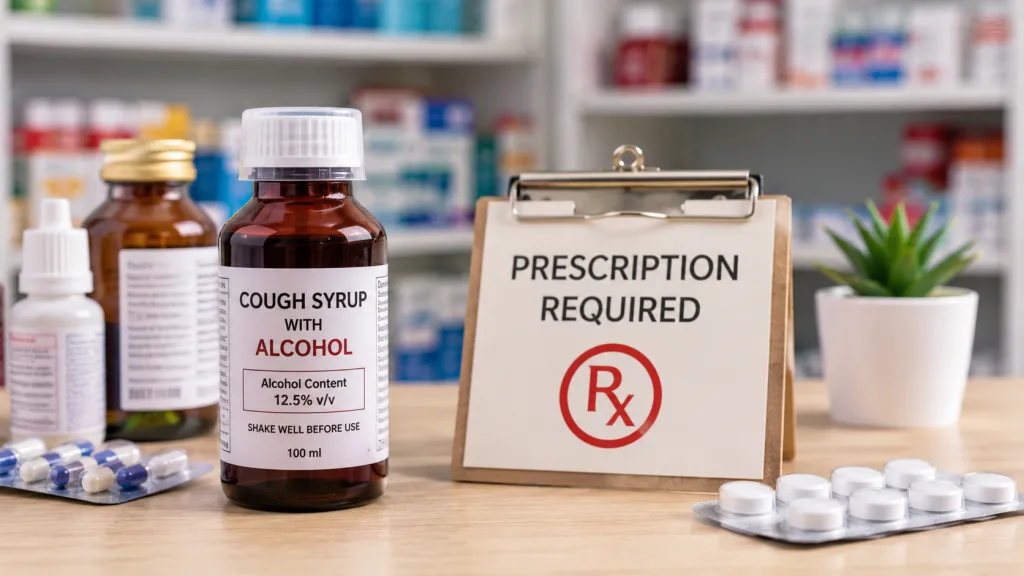
Some oral medicinal formulations, including certain cough syrups and tonics, contain ethyl alcohol as part of their formulation. While these medicines have legitimate therapeutic uses, authorities have raised concerns that products with higher alcohol content could be misused if easily available without medical supervision.
The decision follows recommendations made by regulatory bodies, including the Drugs Consultative Committee (DCC) and the Drugs Technical Advisory Board (DTAB), after they reviewed concerns related to abuse potential.
What is Schedule H1?
Schedule H1 was introduced in 2013 under the Drugs and Cosmetics Rules, 1945, to bring additional oversight to medicines that require closer monitoring.
Also Read | Monsoon havoc across India: Floods, landslides leave 17 dead
Unlike standard prescription medicines under Schedule H, Schedule H1 drugs come with stricter requirements. These include mandatory prescriptions for purchase, detailed records of every sale by pharmacies and the availability of those records for inspection by drug regulators.
The category initially covered several antibiotics, anti-tuberculosis medicines and other drugs requiring tighter control. The latest amendment expands that list to include eligible high-alcohol oral formulations.
What does it mean for patients?
For patients, the change is largely procedural rather than restrictive.
Those prescribed an eligible alcohol-containing medicine will need to present a valid prescription when purchasing it. Pharmacists may also record prescription details as part of the mandatory documentation process.
Doctors continue to prescribe these medicines based on clinical need, and the amendment does not ban or withdraw them from the market.
Also Read | WhatsApp, Telegram answer government’s questions on username-based messaging
Health experts also advise patients to take such medicines exactly as directed and avoid combining them with alcoholic beverages unless specifically advised by their healthcare provider, as doing so may increase the risk of side effects such as drowsiness or impaired coordination.
By expanding Schedule H1, the government aims to improve traceability, encourage responsible dispensing and reduce the chances of misuse, while ensuring patients continue to receive appropriate treatment under medical supervision.
FAQs:
What is Schedule H1?
It is a category of medicines that requires stricter prescription, dispensing and record-keeping norms.
Will alcohol-containing medicines be banned?
No. Eligible medicines will remain available, but only with a valid prescription and stricter pharmacy oversight.