



















For Gen Z, travel is no longer just about checking destinations off a bucket list. Instead, holidays are becoming deeply personal experiences shaped by mental well-being, social media, pop culture and the desire for authentic adventures.
A new travel vocabulary is also emerging, reflecting how younger travellers are redefining vacations. Whether it’s taking a spontaneous break to recover from burnout or choosing hidden gems over Instagram-famous hotspots, these trends highlight a shift from traditional sightseeing to purpose-driven experiences.
Also Read | Floodwater health risks: 5 steps to stay safe after rain
Here’s a look at the travel terms that are reshaping the way Gen Z explores the world.
Menty B: Taking a break before burnout
Short for “mental breakdown,” a Menty B isn’t about having one during a holiday. Instead, it refers to planning a getaway before stress, work pressure or emotional exhaustion become overwhelming.

The trend reflects Gen Z’s growing focus on mental health and using travel as a proactive form of self-care.
Whycation: Choosing the feeling before the destination
Instead of asking where to travel, many Gen Z travellers first ask how they want to feel.
Whether the goal is relaxation, healing, creativity or adventure, destinations are chosen based on the emotional experience they promise. Peace seekers may head to Rishikesh or Dharamshala, while thrill-seekers could opt for trekking or paragliding adventures.
Pop culting: Visiting destinations made famous on screen
Movies, television series and celebrities are increasingly influencing travel plans.

Known as pop culting, the trend sees fans visiting destinations featured in popular productions, from Thailand after The White Lotus to exploring Paris through the lens of Emily in Paris.
Room rotting: Staying in is the vacation
For some travellers, the hotel has become the destination.
Also Read | Are these 7 spiritual signs guiding your life? Here’s what they could mean
Room rotting celebrates spending most of the holiday relaxing indoors, sleeping in, reading by the window, enjoying room service or simply embracing the joy of doing absolutely nothing.
De-influenced travel: Escaping viral hotspots
Rather than following social media trends, many Gen Z travellers are intentionally avoiding overcrowded destinations promoted by influencers.
Also Read | Are these 7 spiritual signs guiding your life? Here’s what they could mean
Instead, they’re seeking recommendations from locals, exploring lesser-known attractions and discovering experiences that feel more genuine.
Shelf discovery: Exploring culture through supermarkets
Forget expensive restaurants. Shelf discovery is all about wandering through local grocery stores to experience a destination’s food culture.
Travellers discover regional snacks, local ingredients and everyday products that offer a glimpse into authentic local life.
Mystic outlands: Chasing wonder and spirituality
Driven by curiosity and the desire to disconnect, this trend encourages travel to remote, historic and spiritually significant places.

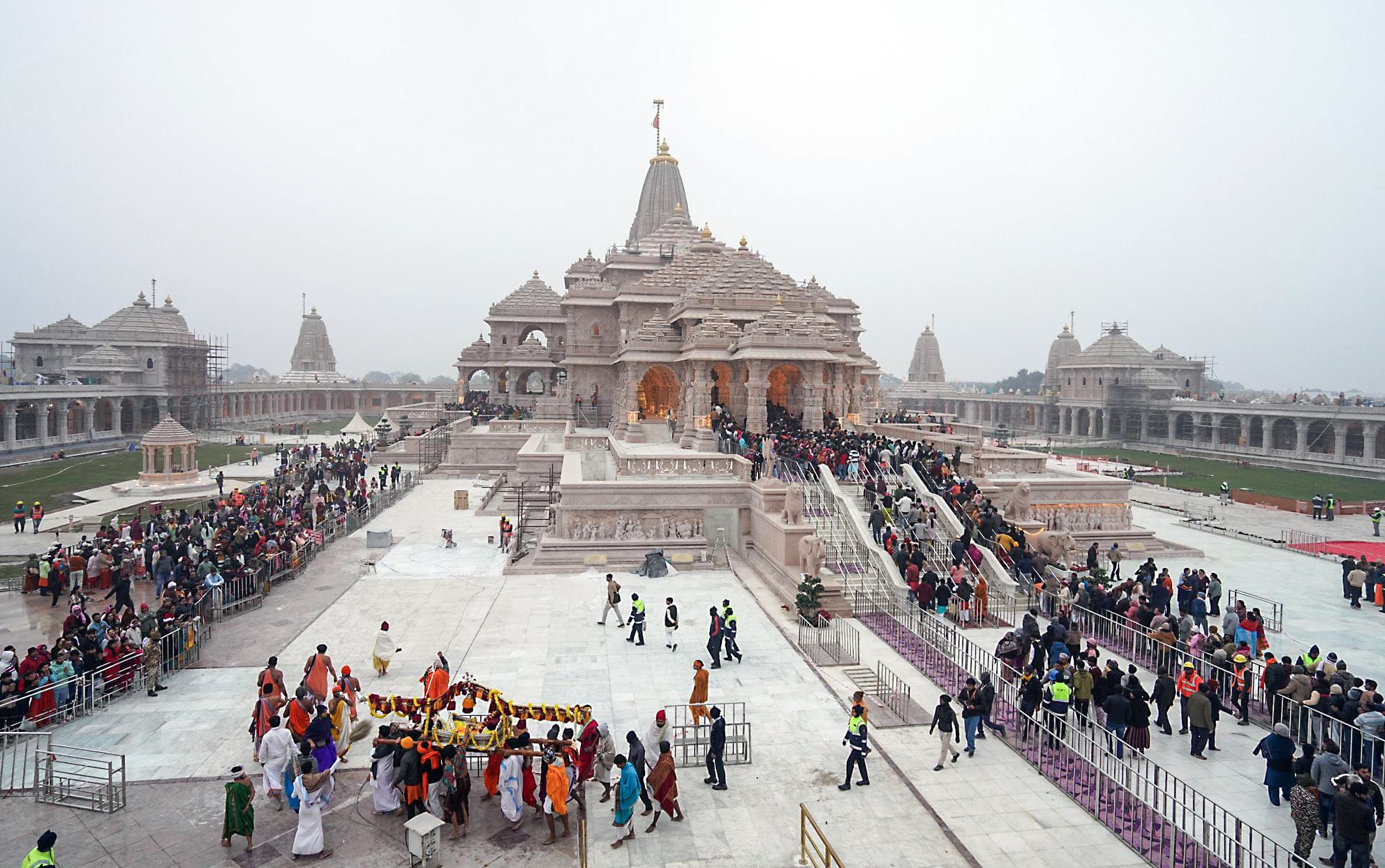
From misty mountain villages and ancient temples to untouched natural landscapes, these destinations offer slower, more meaningful journeys away from crowded tourist circuits.
Travel is becoming more intentional
As priorities evolve, Gen Z is proving that modern travel is about much more than ticking off famous landmarks. Wellness, meaningful experiences, authentic discoveries and emotional fulfilment are increasingly shaping how the younger generation plans its holidays, one new travel term at a time.
FAQs
What is a ‘Whycation’ in Gen Z travel?
A Whycation is a trip planned around how a person wants to feel, such as relaxed, adventurous or creative, rather than focusing on a specific destination.
What does ‘Room Rotting’ mean while travelling?
Room rotting refers to spending most of a vacation relaxing inside the accommodation instead of constantly sightseeing, embracing rest and slow travel.