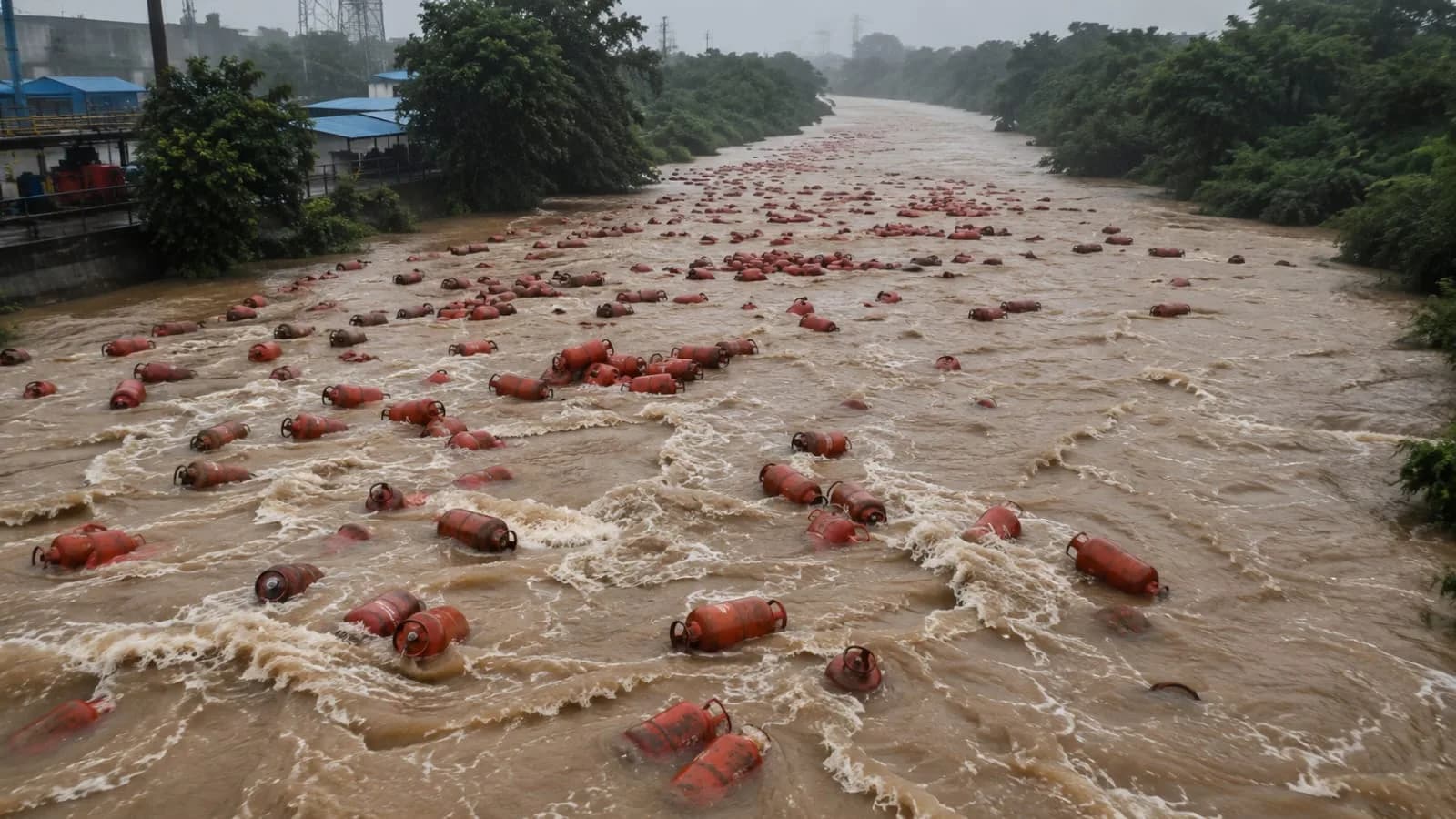
























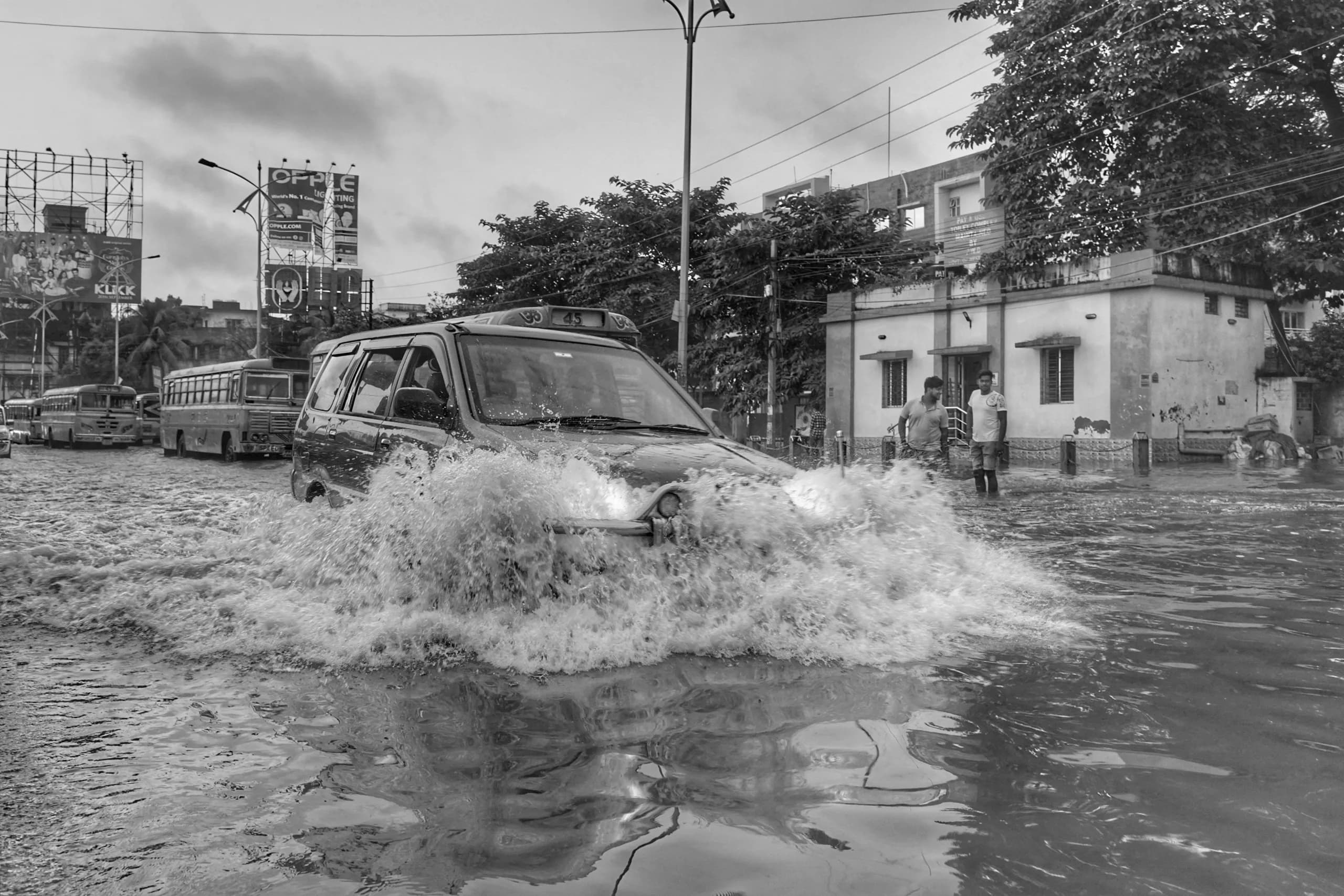
With heavy monsoon showers causing widespread waterlogging across several Indian cities, health experts are warning that walking through flooded streets can expose people to far more than rainwater. Contaminated floodwater often contains sewage, animal waste, industrial chemicals and harmful bacteria that can lead to serious infections if proper precautions are not taken.
Speaking to HT Lifestyle, Dr Murtaza S. Bagwala, Head of Emergency Medicine at Saifee Hospital, Mumbai, and Dr Ashish Nandy, Head of Accident and Emergency Medicine at Ruby Hall Clinic, Pune, explained the risks associated with floodwater exposure and the immediate steps people should follow after reaching home.
Can Floodwater lead to serious infections?
According to Dr Bagwala, one of the most prevalent risks is infections of the skin and soft tissues, which arise as a result of contamination of the body through the introduction of water into cuts, cracked heels, blisters or insect bites.
Also Read | Toxic coworker draining your energy? Try these Feng Shui and crystal tips
The most at-risk groups include people suffering from diabetes, impaired blood flow or lowered immunity. Even small injuries can become severe in these patients without proper medical treatment.
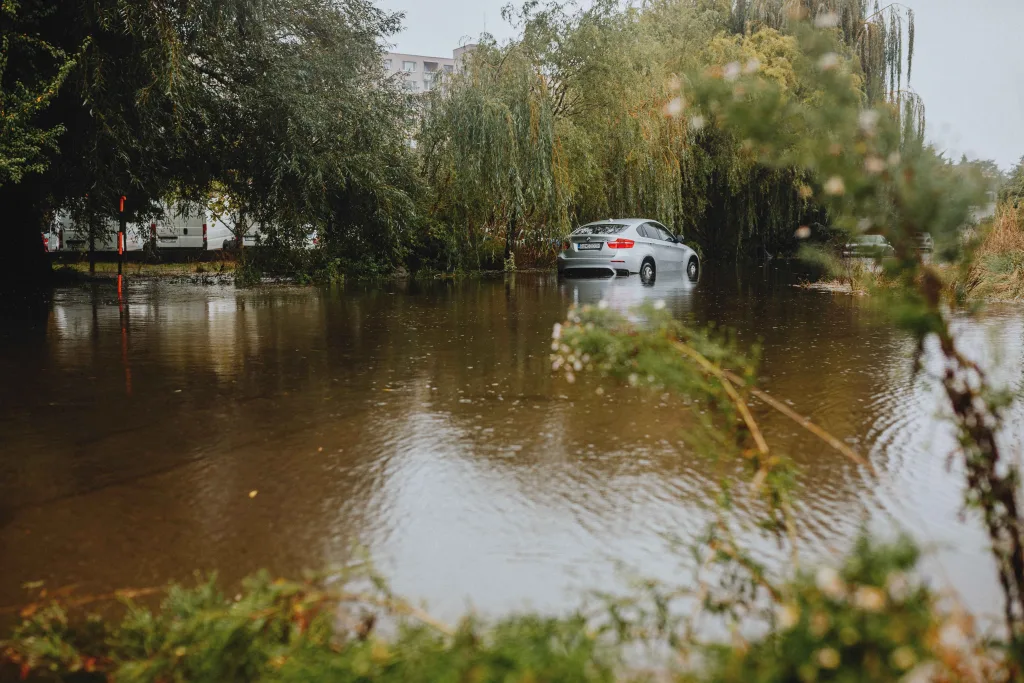
Health experts have also warned about leptospirosis which is an infection caused by bacteria transmitted through floodwaters contaminated with animal urine, mostly rats. The common symptoms are fever, muscle ache, head pain, chills, vomiting and red eyes. In case the disease is not treated in time, it can damage kidneys, liver and lungs.
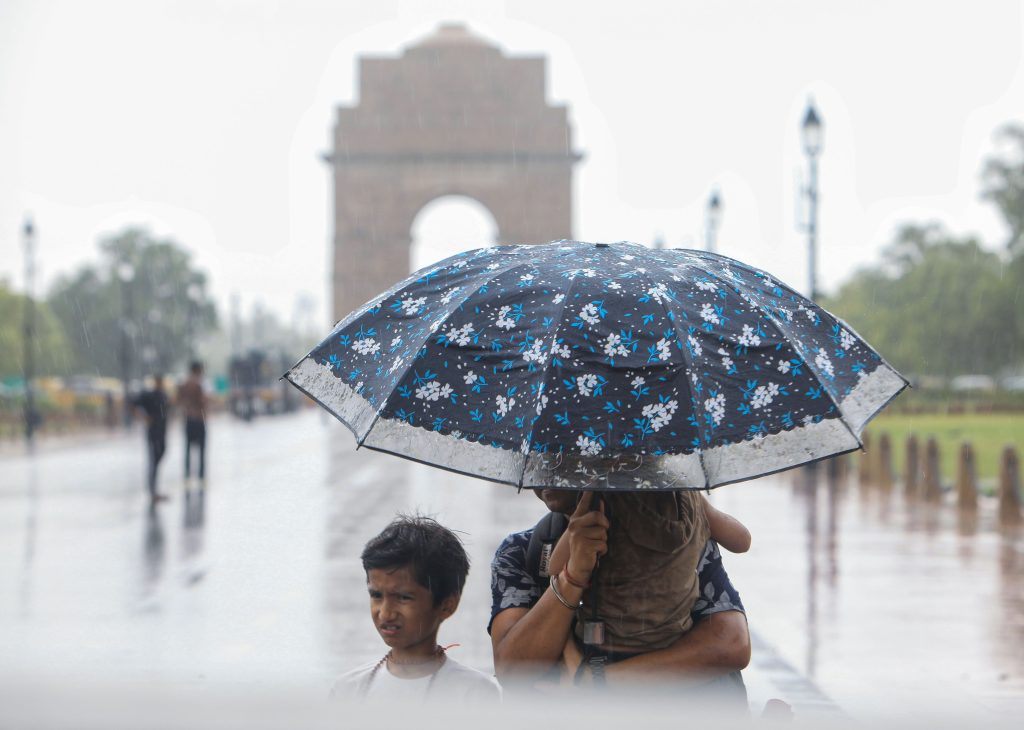
Floodwaters can also cause gastroenteritis, resulting in diarrhea, vomiting, stomachache and dehydration from consuming contaminated water.
Finally, injuries from broken glasses, nails, metal parts etc. that are usually submerged in the floodwaters increase the risk of bacterial infection and require tetanus vaccination in some cases.
5 things doctors say you should do after reaching home
Doctors recommend taking immediate precautions after walking through waterlogged areas to reduce the risk of infection.
Also Read | Are these 7 spiritual signs guiding your life? Here’s what they could mean
- Wash thoroughly with soap and clean water: Clean your feet, legs and any exposed skin as soon as you return home. If possible, take a full shower to remove contaminants.
- Check for cuts and wounds: Carefully inspect your feet, hands and legs for cuts, blisters or punctures. Clean any wounds, apply an antiseptic and cover them with a clean bandage.
- Change into dry clothes immediately: Remove wet clothes, socks and shoes to prevent fungal infections, skin irritation and rashes caused by prolonged moisture.
4. Clean and disinfect footwear: Soak your shoes and slippers in soap and water, then disinfect and air dry them before reuse.
5. Watch for symptoms in the coming days: Go to the doctor right away if you have fever, severe body ache, vomiting, diarrhea, swelling around the site of injury, yellowing of the eyes or decreased urination.
Early intervention can help avoid problems
As per both experts, most diseases associated with floods can be successfully treated if diagnosed early on. They further stressed that simple hygiene measures post-floodwater exposure can substantially lower the chances of any complications occurring during the monsoon season.
FAQs
Can one get ill after walking through floodwaters?
Yes. Floodwaters can carry germs, sewage, chemicals, and animal waste that could cause skin infections, leptospirosis, gastrointestinal infections, among other wound complications.
What needs to be done post-walking through floodwaters?
Washing up thoroughly with soap and clean water, disinfecting footwear, dressing up in dry clothes, treating wounds and consulting doctors in case of symptoms like fever and body ache are recommended by doctors.