





















Opening a bank account in another country is often assumed to be a privilege reserved for residents. However, several countries allow tourists and other non-residents to open local bank accounts, provided they meet specific documentation and compliance requirements.
Local bank accounts will be beneficial for frequent travelers, digital nomads, retirees, and international property owners, as it would make payments convenient, minimise foreign transaction fees, and make money management simpler while traveling.
Also Read | Horoscope today, July 6: Financial gains, legal relief and career opportunities indicated
Below is a list of six nations where tourists and foreigners are able to set up a bank account.
Why do travelers create foreign bank accounts?
Travelers’ foreign bank accounts have become more and more popular nowadays, especially among those who regularly visit certain countries, possess properties there or work remotely, according to travel and financial experts.
A local bank account might be helpful for reducing international transaction fees, making cash withdrawals convenient and making local transactions independently of international debit or credit cards.
The requirements differ greatly from one country and bank to another, but almost all banks require identification and personal financial information.
Switzerland: The traditional banking destination
Switzerland is one of the countries known throughout the world because of its stable financial system and its well-established banking history.
Even though the regulations have tightened up over time, there are still some banks in Switzerland that allow non-residents to open bank accounts, including tourists from other countries.

In order to open a bank account, individuals need to pass the process of identity and financial background verification. There might be some other requirements as well, including huge initial deposits and higher account maintenance costs for non-resident individuals.
Georgia: The destination of choice for digital nomads
One of the countries where it is easy to work remotely because of the ease of banking processes is Georgia.
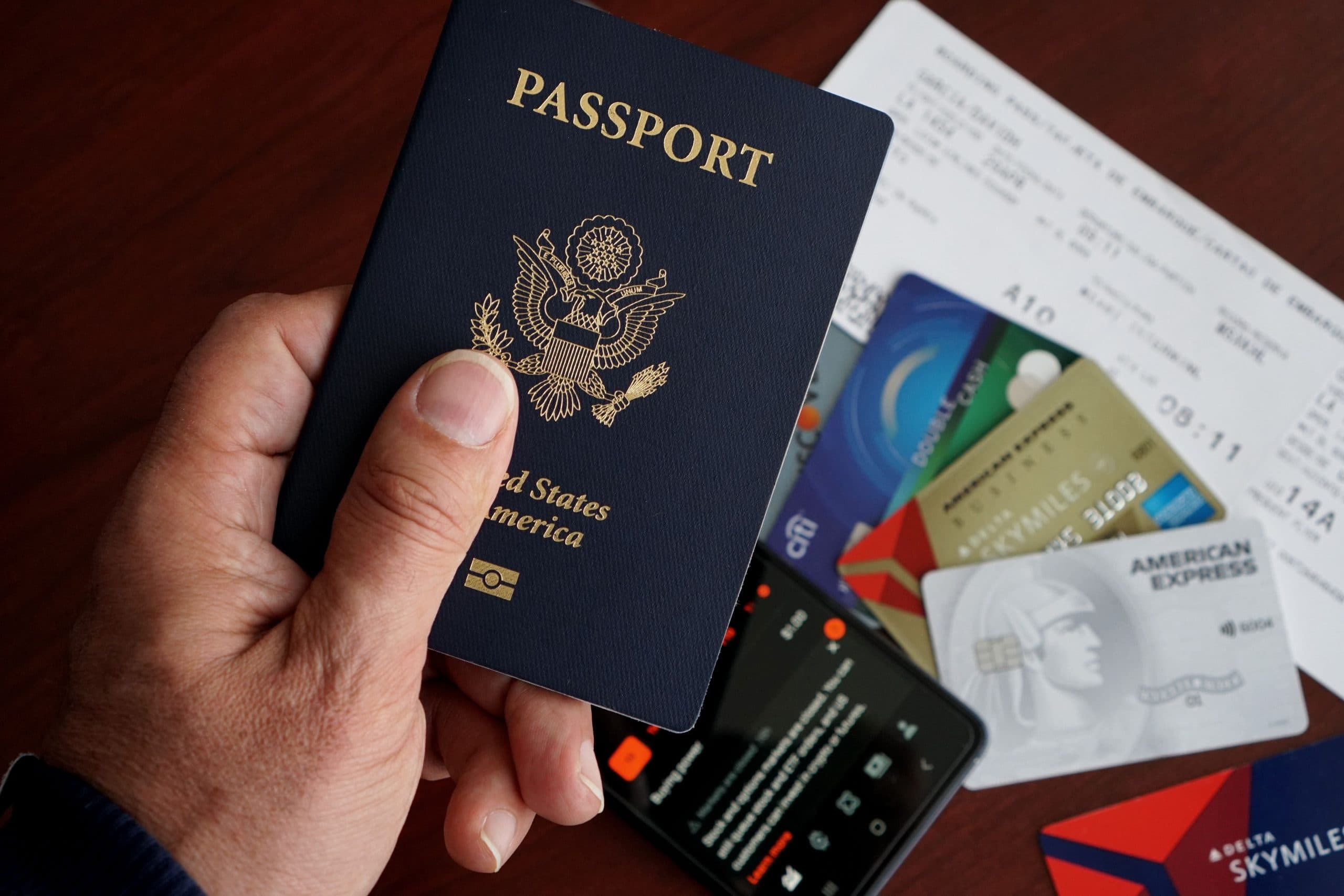
Several Georgian banks permit non-residents to open accounts, often requiring only a valid passport. Depending on the applicant’s nationality and the bank’s internal policies, additional documentation or interviews may be necessary.

The country’s flexible banking rules have contributed to its growing popularity among remote workers and expatriates.
Portugal: Popular among retirees and property owners
Portugal’s growing popularity among tourists, retirees and remote workers has led to increased demand for local banking services.
Non-residents can open bank accounts in Portugal, although the process typically involves more documentation than in some other countries.

Applicants are usually required to provide:
A valid passport
A Portuguese tax identification number (NIF)
Proof of residential address
Income or employment documentation
Also Read | What happened today (July 6) in history? Key events to look back on
For individuals who regularly travel to Portugal or own property there, a local bank account can provide significant convenience.
Singapore: Banking in a global financial hub
The city-state of Singapore is considered to be among the safest and best-regulated financial centers in the world.
There are several banks in Singapore which accept account opening applications from non-residents; however, criteria for non-resident account opening varies from bank to bank.

For example, one will need to produce his passport, as well as other identifying documents and an explanation of the intended use of the account.
Some banks will even insist on an in-person visit to one of the local branches along with a minimum balance requirement.
UAE: Banking options for frequent visitors
The United Arab Emirates permits non-residents to open certain types of bank accounts, particularly for business travellers and property owners.

Most UAE banks require:
A valid passport
Tourist visa or entry stamp
Supporting financial documentation
While non-resident accounts may have restrictions compared to resident accounts, they still provide access to essential banking services and local currency transactions.
Panama: A major banking centre in Latin America
Panama has established itself as one of Latin America’s leading financial centres and continues to offer banking services to non-residents.
However, the application process can be more extensive than in other countries.

Banks typically require:
Passport documents
Proof of income
Banking reference letters
Professional references
Documentation showing the source of funds
Also Read | Cape Verde tourism gets global spotlight after World Cup heroics
These requirements reflect Panama’s compliance with international anti-money laundering and financial regulations.
Requirements can differ by bank
As pointed out by the experts, even though some nations allow non-residents to have bank accounts, it is still within the discretion of individual banks to either accept or deny their applications.
Banking laws, documentations, and qualifications can also keep on changing. This is why travellers are recommended to confirm requirements from the financial institutions themselves.
FAQs
Is it possible for tourists to have bank accounts in foreign nations?
Yes. There are many nations that give tourists and non-residents a chance to have bank accounts based on qualifications such as Switzerland, Georgia, Portugal, Singapore, UAE, and Panama.
What documents are usually needed to open a foreign bank account?
Most banks require a passport, proof of address, tax identification details, financial records and, in some cases, proof of income or source of funds.