
























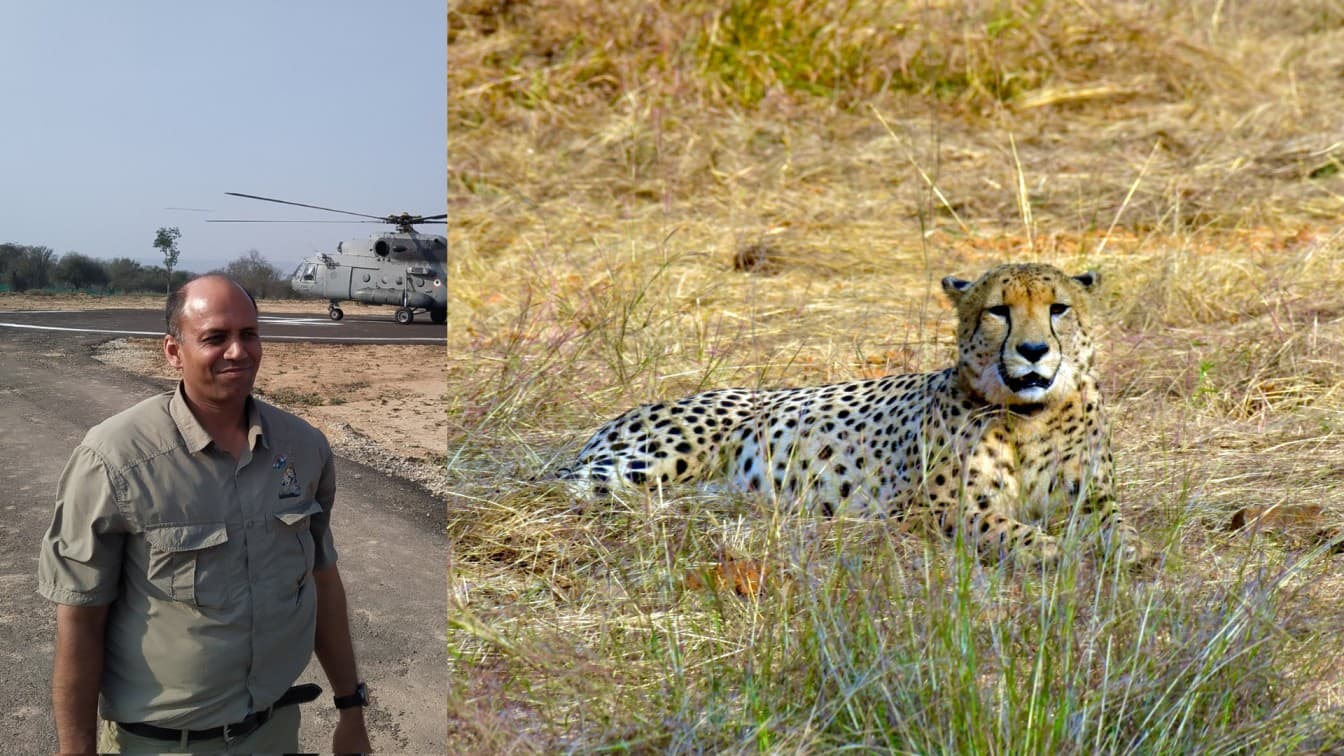
After nearly four years of working on Project Cheetah at Kuno National Park, one question has repeatedly been asked, particularly by young wildlife managers: How does one manage a project that remains under constant public scrutiny, where every success is celebrated and every setback becomes a national debate?
Perhaps the answer lies much deeper than field protocols or management strategies. It lies in understanding the distinction between the intrinsic reality and the world of appearances.
One of the profound insights of Indian philosophy is the distinction between what is enduring and what is merely apparent. The underlying reality remains unchanged, while everything else belongs to the realm of ‘Mithyā’; that which appears, changes and disappears.
Also Read | Indian ideology mourns at rational debate: The Youth, Political Polarization, and India’s Future
It is not unreal, but it has no independent or lasting existence. Its existence depends upon something deeper and more fundamental.
The intrinsic purpose of Project Cheetah
Project Cheetah offers a remarkably similar lesson.
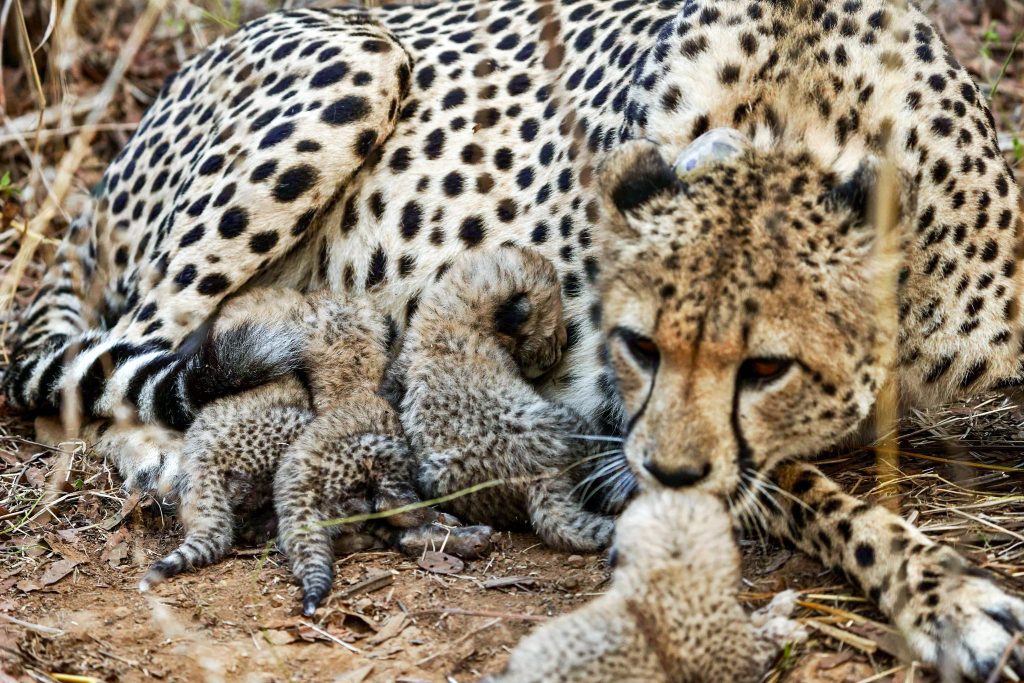
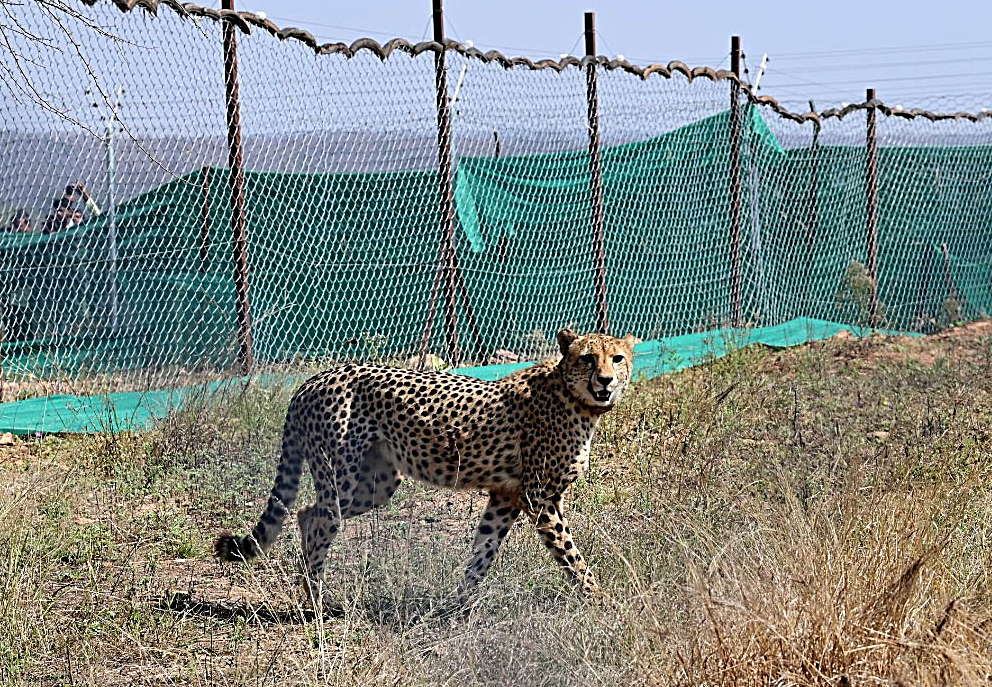
The conservation mission is the intrinsic reality of the project. At its heart lies the cheetah: the very reason the project exists. The conservation of the species, understanding its ecology and behaviour, ensuring successful breeding, enabling dispersal, and ultimately establishing a viable metapopulation across India’s landscapes; these constitute the enduring purpose of Project Cheetah.
Everything else is secondary.
The changing nature of public narratives
Around this intrinsic reality, countless narratives emerge. Every birth becomes a headline. Every mortality becomes a controversy. Successes are celebrated, setbacks are amplified, opinions are expressed with certainty, criticism follows, and fresh stories continuously replace old ones.
For a brief period, they dominate attention and shape public discourse. But all these stories borrow their existence from the intrinsic reality—the conservation mission, the cheetah.
Then they disappear.
Tomorrow, another story takes their place.
Such is the nature of narratives. They are transient, ever-changing and dependent upon events. They arise, remain for a while, and pass away.
The cheetahs remain.
A thoughtful conservationist learns to distinguish between what is enduring and what is ephemeral. The real focus is never the changing narratives but the living animals, the recovering habitats, the improving prey base, the expanding landscape, the growing population and the restoration of ecological processes. These alone determine whether Project Cheetah has succeeded.
Also Read | Will menstrual leave cost women jobs? Supreme Court’s concern sparks backlash
Stories certainly have their place. They inform, educate, inspire, and sometimes provoke necessary debate. Public engagement is essential for conservation in a democracy. But stories should never be mistaken for the reality they merely describe.
Returning to what truly matters
For those entrusted with managing such projects, this distinction becomes a source of clarity. If one begins reacting to every headline, every opinion, every criticism, and every passing controversy, the intrinsic purpose is easily lost. The conservation mission gradually becomes overshadowed by the noise surrounding it.
Instead, the focus must always return to the fundamentals: Are the cheetahs healthy? Are they adapting? Are they breeding? Are they dispersing? Is the habitat improving? Is the ecosystem responding?
These are the questions that truly matter.
Years from now, history will not remember every newspaper headline, every social media debate, or every television discussion. It will remember whether cheetahs once again became an integral part of India’s ecosystems, whether they established territories, reproduced successfully, expanded into suitable landscapes, and reclaimed their ecological role as one of the country’s great predators.
The headlines will fade, the debates will cease, the opinions will change.
But if the conservation mission succeeds, the cheetahs will remain—living testimony to one of the world’s most ambitious wildlife restoration programmes.
That is the intrinsic reality. Everything else is merely the passing narrative.