














The ISL commercial model has entered a new chapter after the All India Football Federation and the Indian Super League Managing Committee jointly announced a major restructuring of the competition. Under the revised framework, ISL clubs will now control the league’s commercial rights while the AIFF will continue to supervise governance, regulations and administrative matters. The move is expected to reshape the future of Indian football by giving clubs a greater role in the league’s commercial growth while maintaining regulatory oversight through the national federation.
AIFF ISL commercial model gives clubs greater responsibility
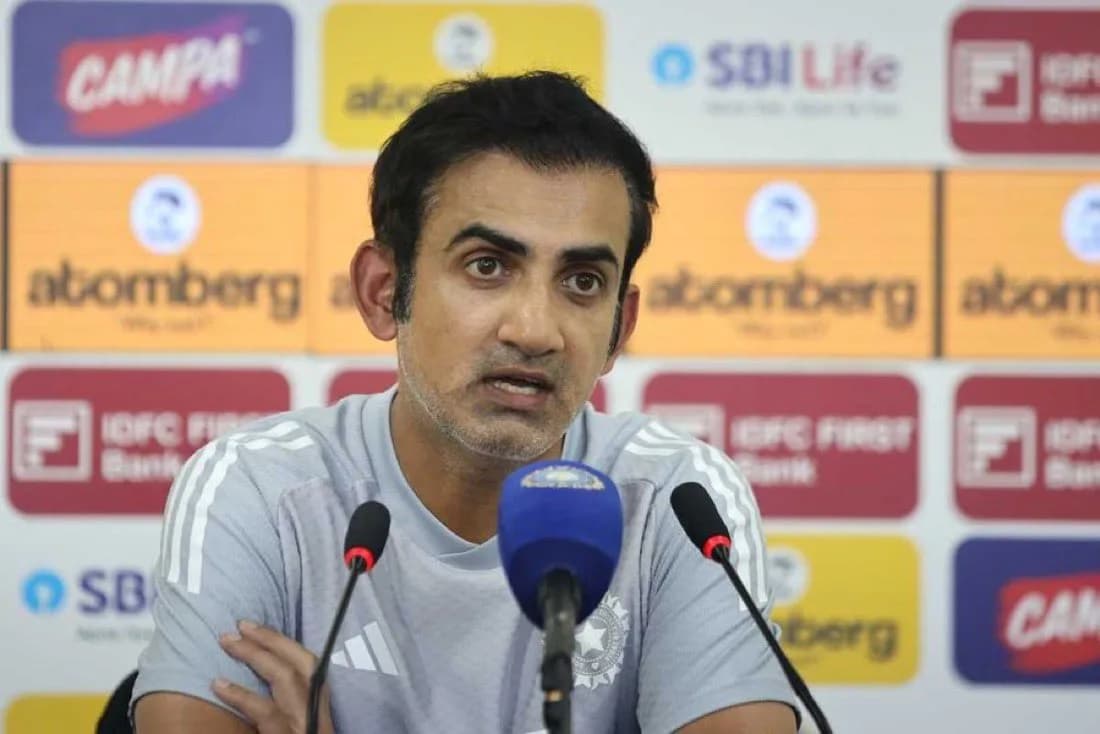
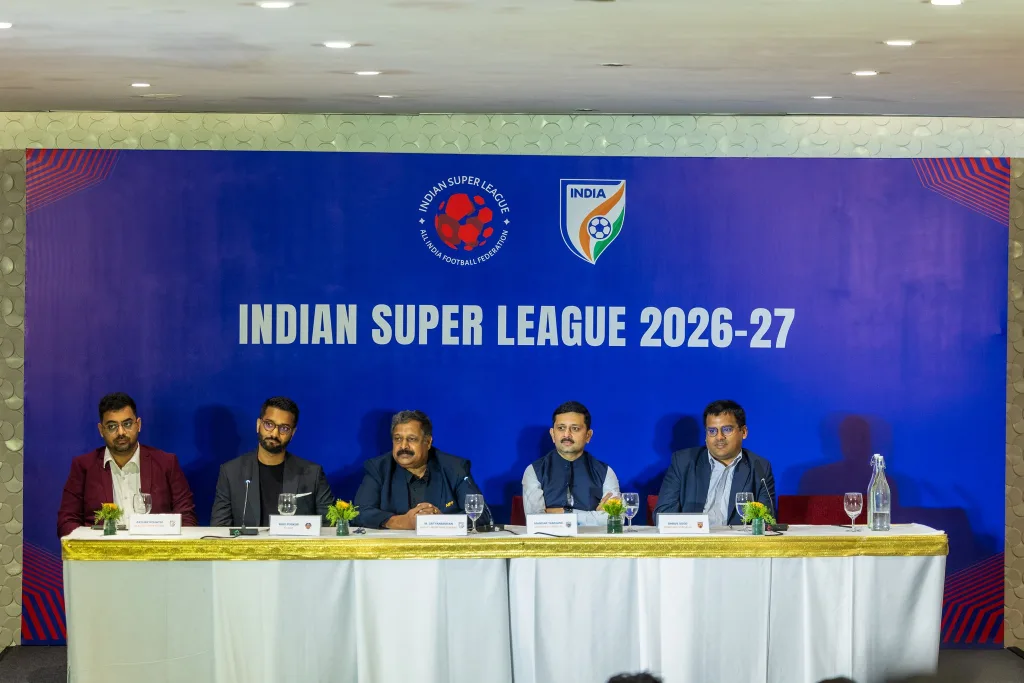
According to NDTV, the ISL commercial model was unveiled during a joint press conference attended by senior AIFF officials and representatives from FC Goa, NorthEast United FC, and Sporting Club Delhi. Under the new arrangement, the Managing Committee will oversee broadcasting rights and commercial sponsorships, while the AIFF will continue to manage the competition’s governance and operational regulations.
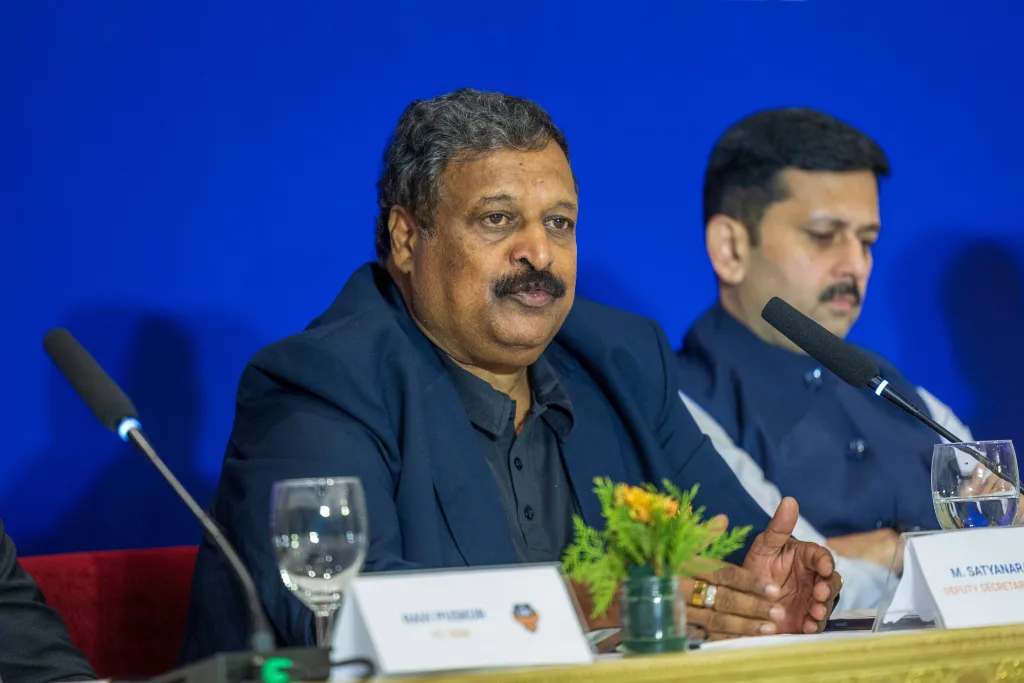
AIFF Deputy Secretary General M. Satyanarayan said the federation remains committed to making the league one of Asia’s strongest competitions while ensuring compliance with the Supreme Court’s directives and the National Sports Governance Act.
The next phase will involve inviting proposals to appoint a new broadcast partner while commercial sponsorship discussions begin ahead of the new campaign.
Also Read | FBI probes Argentine Football Association over money laundering
Full home-and-away format returns for new season
According to NDTV, a major feature of the ISL commercial model is the return of the traditional home-and-away league format for the 2026-27 season. Every club will play a complete schedule after previous editions were shortened because of scheduling challenges.
FC Goa CEO Ravi Puskur welcomed the development and said clubs were looking forward to a full competitive calendar. The season will also be aligned with FIFA international windows in September, October, November and March while accommodating AFC club competitions involving FC Goa and East Bengal.
The official AIFF website can be accessed at https://www.the-aiff.com for further league updates.
Also Read | World Cup 2026 controversy: Messi, Trump and FIFA storm
National team planning remains a priority
According to NDTV, while the ISL commercial model shifts commercial responsibilities to clubs, the federation has stressed that national team preparations will remain a priority. Satyanarayan confirmed that discussions are already underway with clubs to secure longer player release periods for international camps.
NorthEast United FC CEO Mandar Tamhane described the club-led approach as essential for ensuring long-term financial sustainability, adding that stronger commercial revenues would ultimately benefit every stakeholder in Indian football.
Sporting Club Delhi CEO Dhruv Sood also praised the cooperation received from the Ministry and AIFF during the club’s debut campaign, particularly regarding stadium availability and efforts to reduce operational costs.
The AIFF ISL commercial model is expected to create a more sustainable ecosystem where clubs play a larger role in driving commercial growth while the AIFF continues to safeguard the league’s sporting structure. With the return of the full league format and a renewed commercial vision, Indian football is preparing for one of its most significant transitions in recent years.