




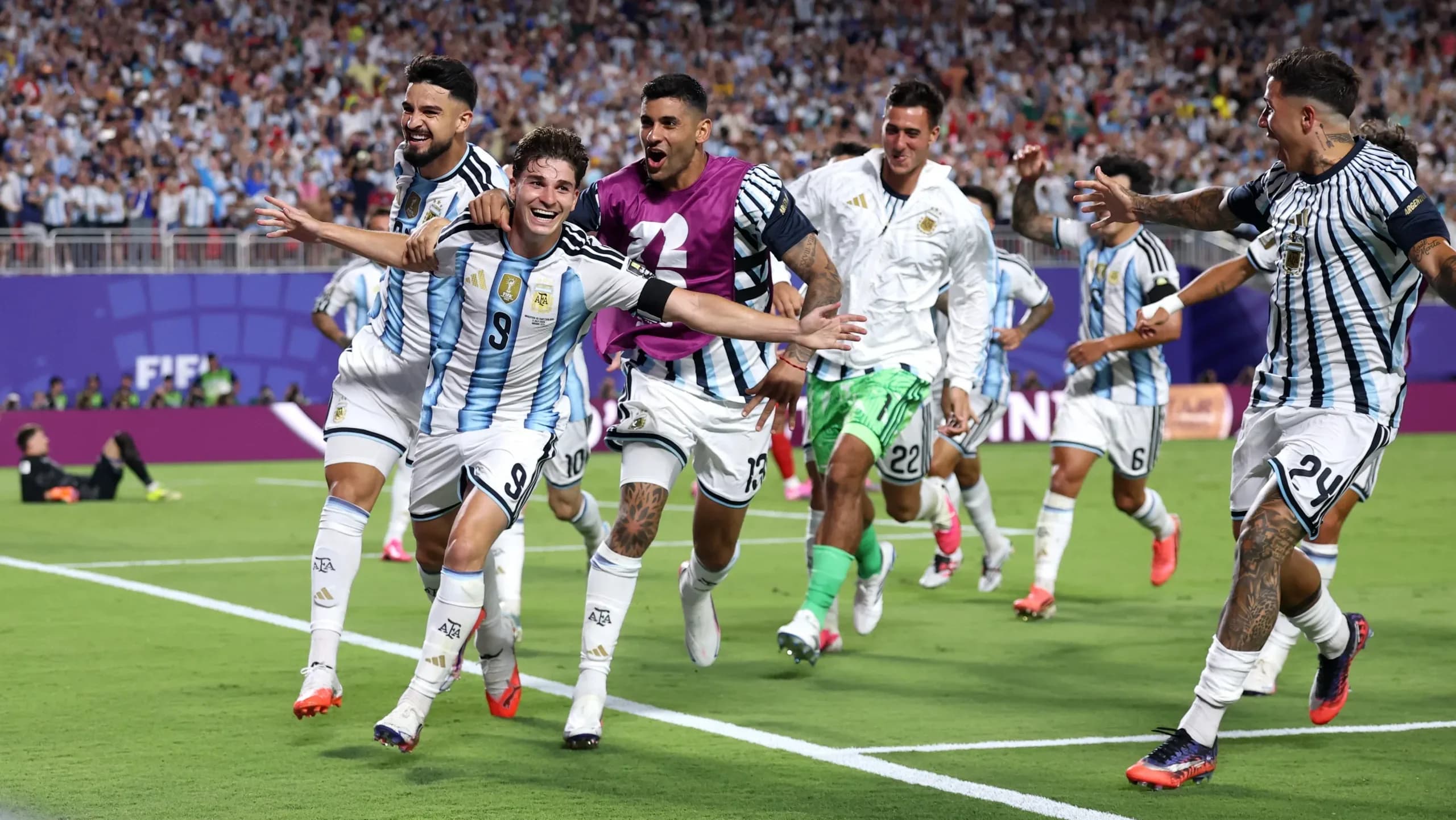












Football’s finest players make the game appear super easy. Well, it is especially easy for the greatest footballer on the planet, Lionel Andrés Messi. Argentina’s dramatic 3-2 comeback win over Egypt in the FIFA World Cup round of 16 highlighted that contrast once again.
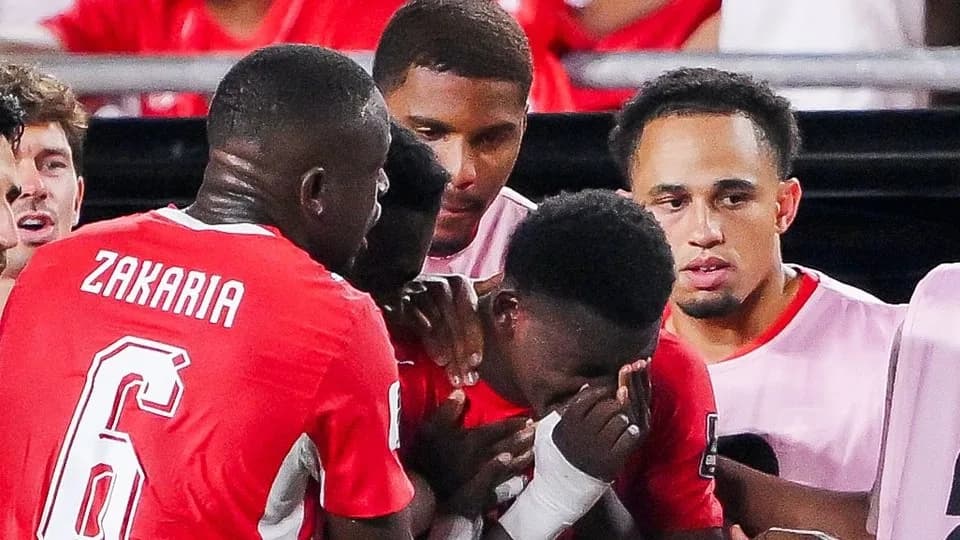
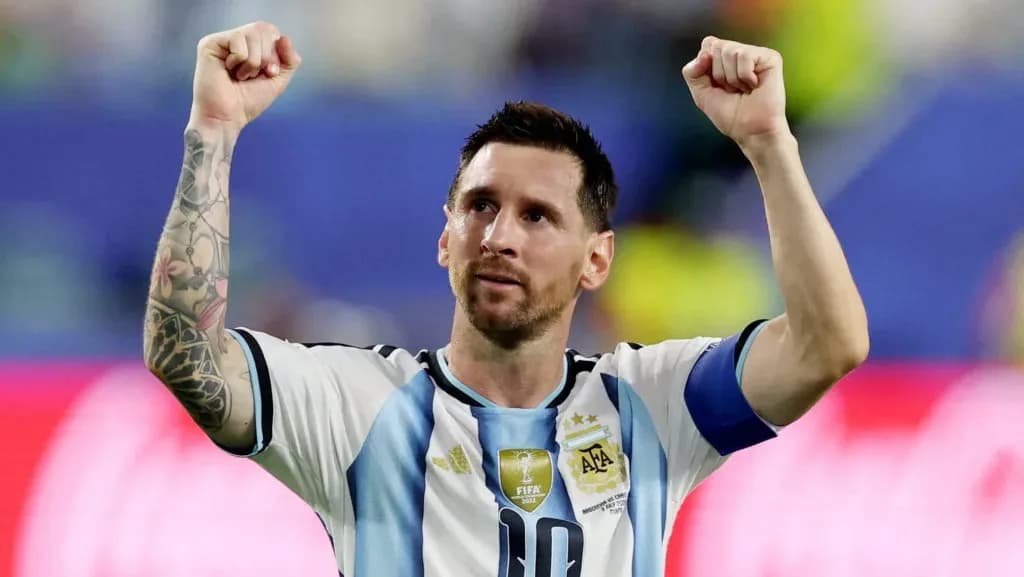
The emotional scenes after the final whistle of the match saw Messi in tears following Argentina’s memorable victory. Physically, however, the match followed a familiar pattern. Rather than covering the pitch with endless sprints, the 39-year-old spent much of the game walking, carefully reading every movement around him before choosing the perfect moment to strike.
Why does Lionel Messi spend so much time walking?
Tracking data from the tournament shows that walking has made up 63 per cent of Messi’s movement during the World Cup, comfortably the highest share among all outfield players. He has also spent another 25 per cent of matches standing still. By comparison, only 8.6 per cent of his movement comes through jogging, well below the tournament average of 23 per cent, while full-speed sprints remain rare.
His style may appear to reflect careful energy management at 39 years of age, but walking has been part of Messi’s football long before this tournament. Despite covering less ground at high intensity than most players, his output remains among the best in the competition. Messi ranks third for touches in the attacking third, has created the third-most big chances with 15, and shares the Golden Boot lead with Kylian Mbappe on eight goals.
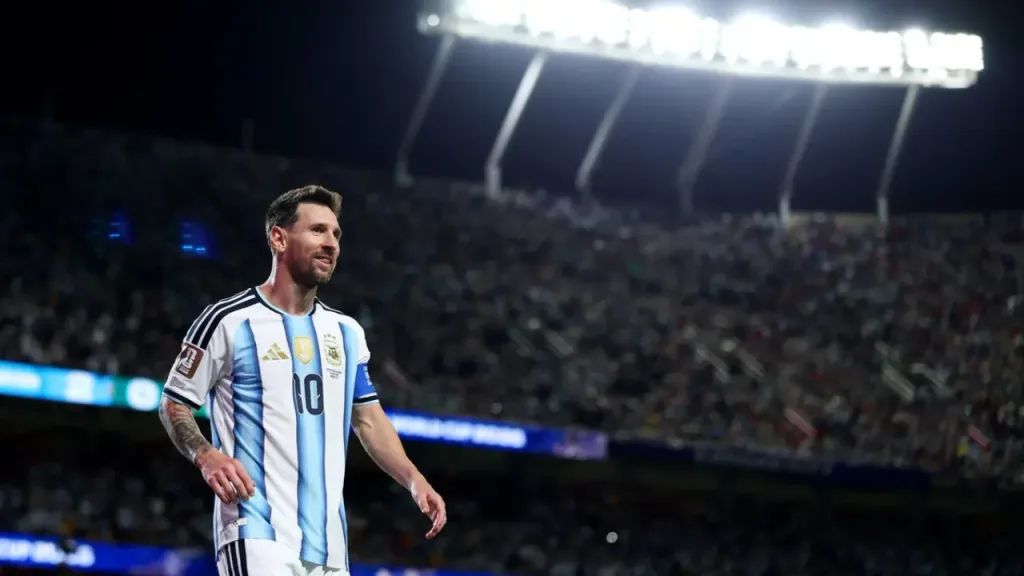
Walking helps Messi create space before scoring goals
Messi’s walking is far from random. FIFA tracking data shows that most of his slow movement takes place in the inside-right channel between the center circle and the penalty area, an area from which he has produced some of his most dangerous attacking moments throughout his career.
Operating in this pocket allows Messi to receive possession while facing the opposition goal. Before the quarter-finals, he had collected the ball 97 times between the opponent’s midfield and defensive lines, the sixth-highest figure in the tournament.
Also Read | Argentina vs Switzerland: Do you know the remarkable record Messi’s side holds?
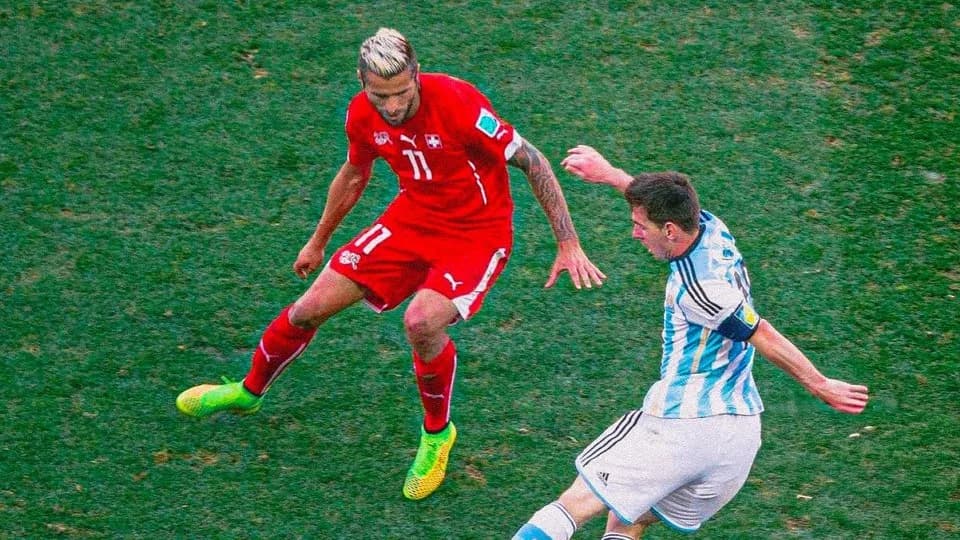
Instead of making repeated explosive runs, Messi relies on subtle positioning. While teammates stretch the defence with forward runs, he makes only minor adjustments to remain available for a pass.
Argentina demonstrated this perfectly against Cape Verde. As attacks developed down the right, defenders shifted across to deal with runners. Messi simply drifted a couple of steps in the opposite direction, finding himself free between several defenders without becoming the clear responsibility of any one player.
That patient positioning also helped produce his opening goal in Argentina’s 2-0 group-stage win over Austria. While defenders focused on tracking runners behind them, Messi quietly arrived near the edge of the penalty area before finishing with his trademark composure.
Outsmarting defensive lines without constant running
Another advantage of Messi’s measured movement comes against high defensive lines.
Rather than immediately rushing back onside, he often remains in an offside position for a moment, allowing defenders to lose sight of him. Once their attention shifts elsewhere, he makes one quick movement to return onside before attacking the space behind the defence.
That pattern was evident again against Cape Verde when he timed his run perfectly, getting behind centre-back Diney to meet Lisandro Martinez’s lofted pass and score. It is due to the reason that defenders grow accustomed to seeing him walk, his sudden bursts forward often arrive before they can react.
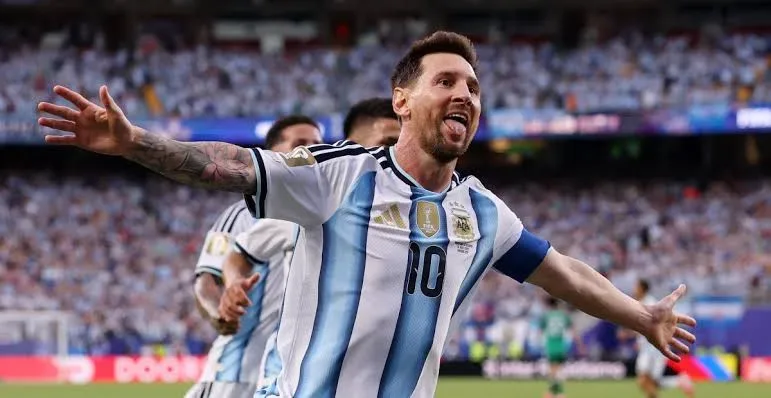
Of Messi’s runs while Argentina are in possession, 71 per cent finish in the final third, while 21 per cent end inside the penalty area. His acceleration is reserved almost exclusively for situations where it can create maximum danger.
Messi’s movement changes as matches evolve
Messi’s calm presence is closely linked to his understanding of the game.
Former Barcelona manager Pep Guardiola has previously explained that Messi often spends the opening stages of matches walking around the pitch, using those minutes to study the opposition and build a picture of how the game is unfolding.
Also Read | Jude Bellingham’s double sends England into World Cup semi-finals
That ability to constantly reassess situations became clear during Argentina’s comeback against Egypt. With Argentina trailing by two goals entering the closing stages, Messi adjusted his positioning. Rather than staying in his usual central areas, he shifted wider, recalling the role he played during the early years of his Barcelona career.
Although he no longer possesses the explosive pace of his younger days, his dribbling remained highly effective, particularly against Egypt’s left side, helping Argentina find a new route back into the contest.
His movement continued to change according to the match. When Argentina struggled to progress the ball, Messi regularly dropped deeper to influence possession before moving back into attacking areas once space appeared.
The trade-off behind Messi’s unique playing style
Messi’s approach is not without drawbacks.
Modern football often demands coordinated pressing and relentless defensive work from every player. Those are areas where Messi contributes less than many forwards, particularly when Argentina lose possession.
To casual viewers, his slow movement can sometimes resemble a player detached from the action. Yet the evidence throughout the tournament suggests something very different.
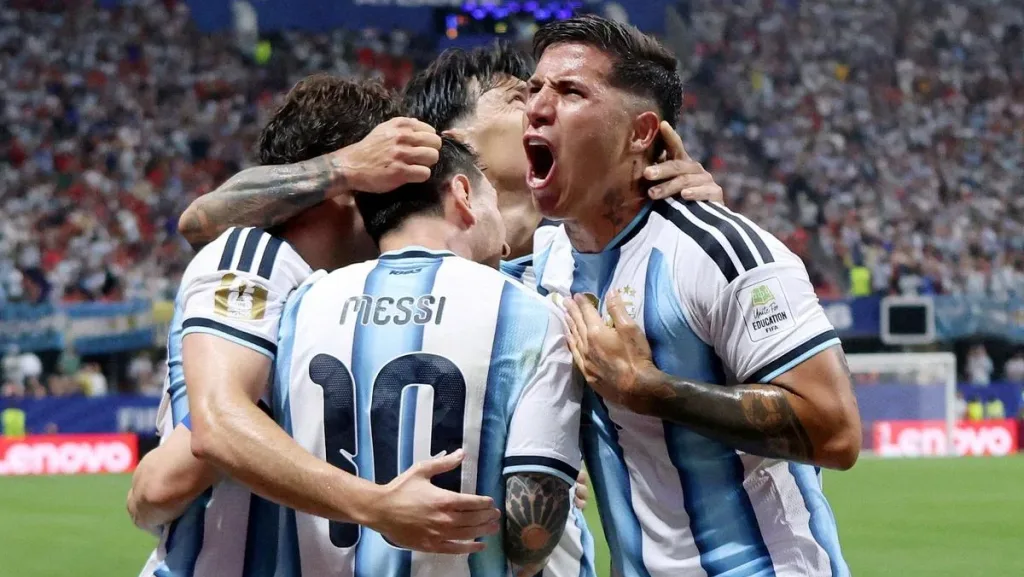
His walking is part of a carefully calculated approach that allows him to observe, anticipate and exploit weaknesses that others fail to notice. Rather than wasting energy on unnecessary movement, Messi waits for the precise moment when one sharp run, one intelligent touch or one perfectly timed finish can decide the game.
FAQs
How does Lionel Messi’s walking style help him score goals?
By staying unnoticed, timing his movements, and exploiting defensive gaps, Messi turns limited running into high-impact chances and goals.
Why does Lionel Messi walk so much during football matches?
Messi walks to conserve energy, read the game, create space, and make decisive attacking runs when defenders are least expecting them.