






















The US has issued a fresh warning to Iran, calling on Tehran to publicly guarantee the safety of commercial shipping through the Strait of Hormuz and halt attacks on vessels passing through the waterway. The ultimatum comes as the conflict between the two countries continues, even though both sides have agreed to keep diplomatic channels open.
According to senior US officials, Washington wants Iran to make a public commitment that commercial ships will no longer be targeted and that vessels passing through the strait will not face transit charges.
“What we’re demanding is that the Iranians issue a public statement that acknowledges all channels of the Strait of Hormuz are open and they’re not shooting at ships anymore. They’re either going to give us that statement or we’re not having a good outcome for them,” a senior US official was quoted as saying by Hindustan Times.
Also Read | ‘Bomb them at levels they’ve never seen before’: Trump reveals retaliation plan against Iran if killed
🚨 JUST IN: President Trump's team has given Iran until TOMORROW to publicly renounce attacking ships in the Strait of Hormuz, and to state that the Strait is OPEN for travel
— Eric Daugherty (@EricLDaugh) July 10, 2026
There will be CONSEQUENCES if not, per Axios 🔥
Trump is playing hardball: He said the ceasefire is… pic.twitter.com/3qGAcHtN0z
Trump says ceasefire has ended
The latest warning follows a post by US President Donald Trump on Truth Social, where he declared that the ceasefire between Washington and Tehran had come to an end.
“The Islamic Republic of Iran has asked us to continue ‘talks.’ We have agreed to do so, but the United States has stated to them, in no uncertain terms, that the Cease Fire is OVER!,” Trump wrote.
US officials said discussions with Iran were still continuing, but added that negotiators had only a limited window to reach an agreement before Washington considers further military or economic measures.
The US has also imposed new sanctions on Iranian financier Ali Ansari, accusing him of managing a global financial network linked to Supreme Leader Mojtaba Khamenei and other senior Iranian figures.
Iran rejects Washington’s claims
Tehran has denied the US claim that it requested talks. Foreign Ministry spokesperson Esmail Baghaei said Iran had only agreed to receive a Qatari mediator and warned that any breach of US commitments would draw a “reciprocal response”, per an HT report.
Iran has also rejected US demands regarding the Strait of Hormuz, maintaining that the waterway falls under its authority and warning that outside interference would increase regional tensions.
Also Read | Trump says he will not sign bipartisan housing bill over ‘SAVE America Act’
US officials, however, said Iranian representatives privately acknowledged that recent attacks on commercial vessels may have been carried out by an “errant” faction within the country’s security establishment. Washington has maintained that Iran’s leadership would still be held responsible.
Fresh diplomacy amid shipping concerns
Regional diplomatic efforts have picked up following the latest exchange of strikes. Qatari officials travelled to Tehran for discussions on de-escalation, while Iranian Foreign Minister Abbas Araqchi is expected to visit Oman for talks on maritime security and navigation through the Strait of Hormuz.
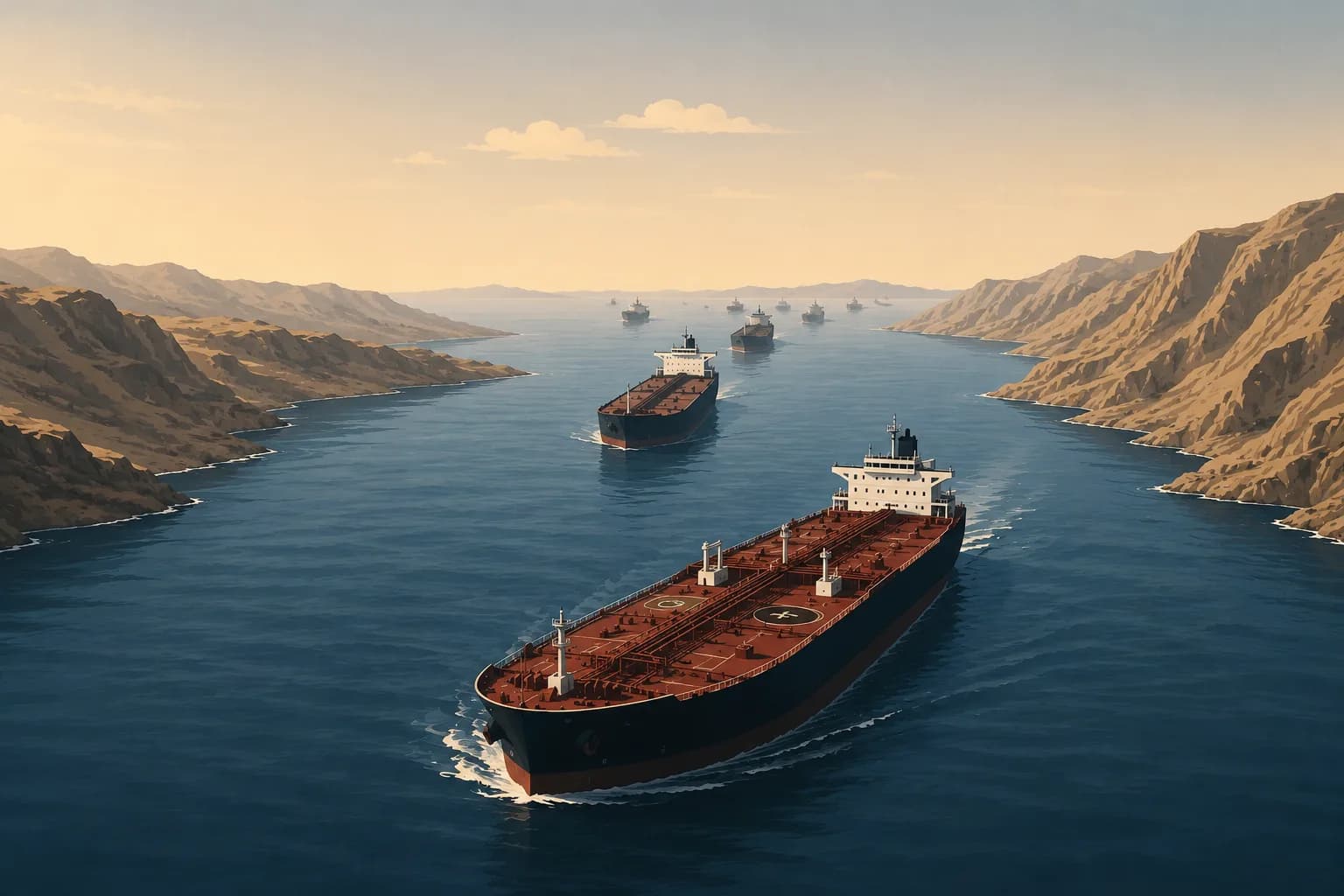
The waterway remains central to global energy supplies, with around one-fifth of the world’s oil and liquefied natural gas shipments passing through it before the conflict. Commercial traffic is still below normal levels, and uncertainty over maritime security continues to affect global oil markets.
US officials also said that progress on Iran’s nuclear programme would depend on Tehran meeting Washington’s demands on shipping security and handing over its stockpile of highly enriched uranium.
FAQs:
What has the US demanded from Iran?
Washington wants Iran to publicly guarantee safe commercial shipping through the Strait of Hormuz and stop attacks on vessels.
Why is the Strait of Hormuz important?
It is a key global shipping route through which around one-fifth of the world’s oil and LNG supplies pass.