




















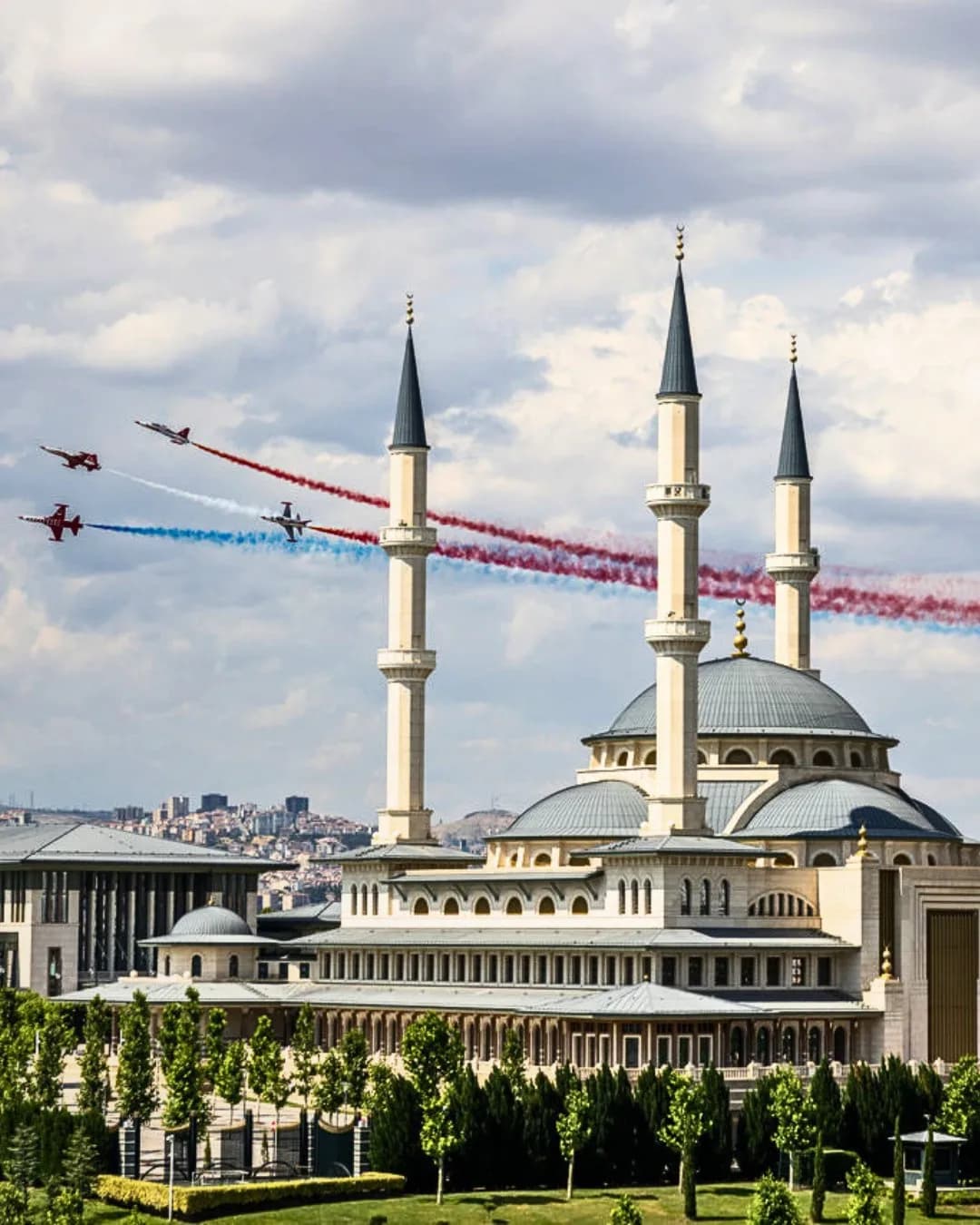
NATO emerged from its Ankara summit with a public show of unity and a temporary sense of relief after days of strain over Donald Trump’s repeated criticism of allies gave way to a closer embrace of the alliance by the US president.
The gathering was widely judged a success by European leaders because Trump recommitted to NATO hours after opening the summit by ordering a cutoff in trade with Spain and rebuking other members, a sequence that underscored how fragile transatlantic ties remain.
European officials nonetheless said they were bracing for renewed volatility, with many still convinced that the alliance’s internal tensions have not been resolved, only managed for the moment.
Also Read | Global shipping at risk as Hormuz traffic slows to a near standstill after Iran-US strikes
Teşekkürler, Ankara 💙#NATOsummit pic.twitter.com/hKW9hgP8Ku
— NATO (@NATO) July 9, 2026
Washington remains the indispensable guest
The summit’s most immediate political payoff came from Trump’s endorsement of a declaration that reaffirmed support for NATO’s Article 5 mutual defense pledge, along with his decision to give Ukraine a license to make Patriot missile interceptors.
For NATO Secretary General Mark Rutte, the alliance still depends heavily on Washington’s weight. “There is, of course, one dominant player in the room—let’s be honest,” he told reporters after the summit.
Rutte added that the United States is “half of NATO’s economy” and said its military strength is “unparalleled.” His comments echoed the wider argument inside the alliance: however uneasy relations become, European governments still see value in keeping the US inside the NATO framework rather than confronting the risks of a weakened transatlantic deterrent.
Türkiye’nin büyüklüğünü, Türk milletinin eşsiz misafirperverliğini dünyaya bir kez daha gösteren Ankaralı kardeşlerime, fedakârca emek veren tüm görevlilerimize en kalbî şükranlarımı sunuyorum.
— Recep Tayyip Erdoğan (@RTErdogan) July 8, 2026
NATO Ankara Zirvemiz hayırlara vesile olsun. #NATOsummit 🇹🇷 pic.twitter.com/PEbMxNvxsM
Beneath the polish, old anxieties linger
That relief, however, followed months of strain. Tensions had deepened after Trump pushed to take Greenland from Denmark, a fellow NATO member, and after divisions over the Iran war revived his long-standing criticism of the alliance and renewed doubts about future US commitment.
Some officials and former security figures remained unconvinced that the Ankara summit had repaired the damage. Jim Townsend, a former senior Pentagon official now at the Center for a New American Security think tank, said, “Even if Trump makes nice, the damage is done.”
A European diplomat, speaking anonymously, said the summit may not have reversed recent harm, but that “it didn’t get worse, and that’s progress.”
The contrast captures the mood in allied capitals. Gratitude that the meeting ended without open rupture, mixed with little confidence that the underlying political weather has changed.
.@POTUS: "We just concluded a very successful NATO Summit here in Turkey. I want to thank President Erdogan, who's really a great man… and I also want to thank @SecGenNATO. Mark is an extraordinary person… there was tremendous love in that [meeting] room." pic.twitter.com/8lLcl5XbXw
— Rapid Response 47 (@RapidResponse47) July 8, 2026
A richer alliance, but is it a stronger one?
Defense spending was the other main theme. Ahead of the summit, NATO officials had tried to persuade Trump that rising budgets across Europe and Canada amounted to a personal victory for him, even setting up charts at a White House meeting last month that labeled the increase “The Trump Trillion.”
The figure amounted to $1.21 trillion in extra allied spending, though it also included four years of Joe Biden’s presidency.
NATO also staged a defense industry forum in Ankara that it said produced deals worth more than $50 billion, part of a broader effort to show that the alliance is turning pledges into military capability.
Even so, uncertainty remains over the US footprint in Europe. The Pentagon last month launched a review of the 80,000-strong American troop presence on the continent.
With that in mind, some NATO members are now weighing whether fewer summit gatherings would reduce the risk of recurring political drama, and plans for a leaders’ meeting in Albania next year are on hold.
Also Read | Global Peace Index 2026: Why is Iceland topping the list for 19 consecutive years?
FAQs
Q1: Why was the 2026 NATO summit in Ankara considered significant?
The summit reaffirmed NATO’s collective defence commitment and secured U.S. President Donald Trump’s public backing of the alliance despite earlier tensions.
Q2: What issues remain for NATO after the Ankara summit?
NATO members remain concerned about future U.S. policy, including troop deployments in Europe and the long-term stability of transatlantic relations.