




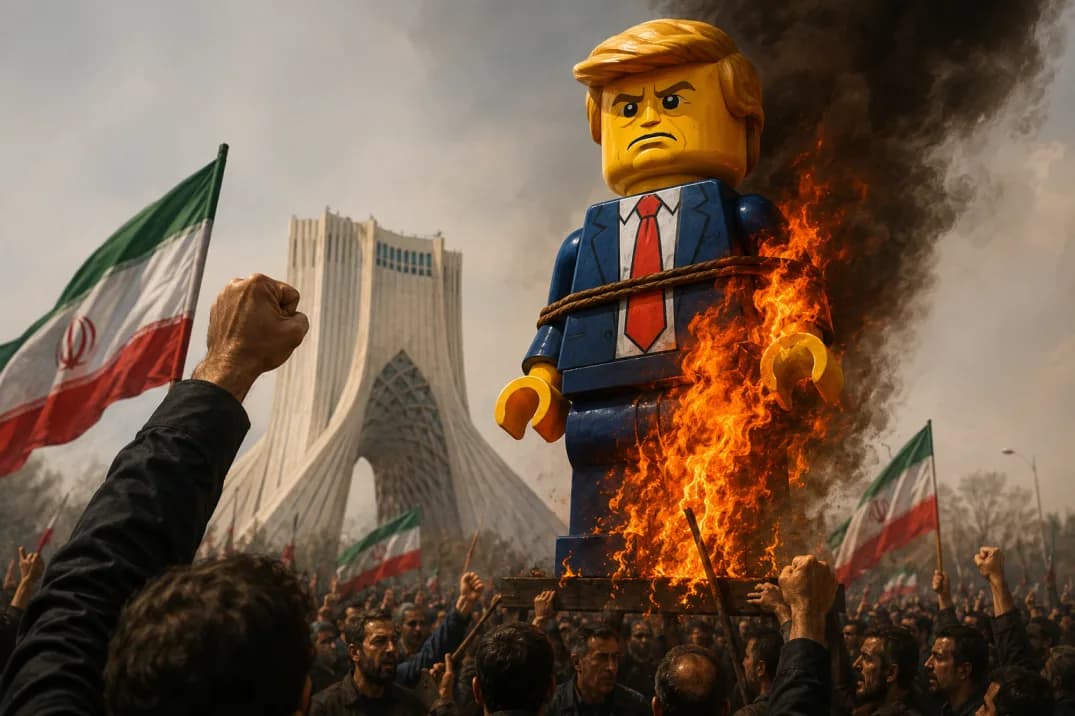














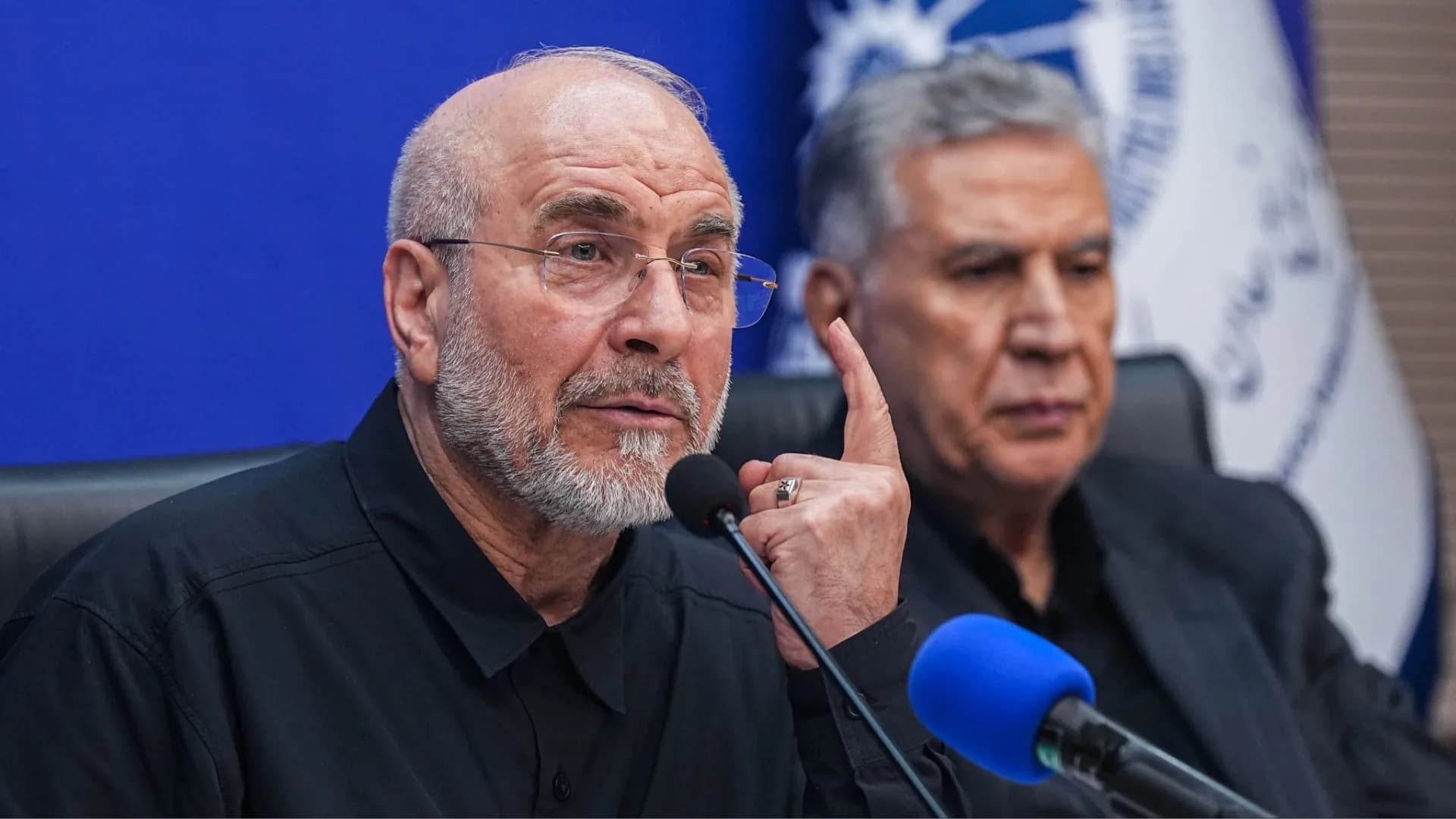
Iran has issued a fresh warning to the United States after a new round of US military strikes targeted Iranian sites, signalling that any further action would invite a response from Tehran.
Iranian Parliament Speaker Mohammad Bagher Ghalibaf accused Washington of continuing a policy of pressure that, according to him, would no longer go unanswered.
“America still hasn’t learned that bullying and breaking promises are no longer cost-free. Let me put it plainly: if you strike, you’ll get hit,” Ghalibaf said.
آمریکا هنوز یاد نگرفته است که زورگویی و بدعهدی دیگر بیهزینه نیست. شفاف بگویم: بزنید، میخورید.
— محمدباقر قالیباف | MB Ghalibaf (@mb_ghalibaf) July 9, 2026
دست و پای بیهوده نزنید که بیشتر فرو خواهید رفت: تنگه هرمز، فقط با «ترتیبات ایرانی» باز میشود نه با تهدیدات آمریکایی.
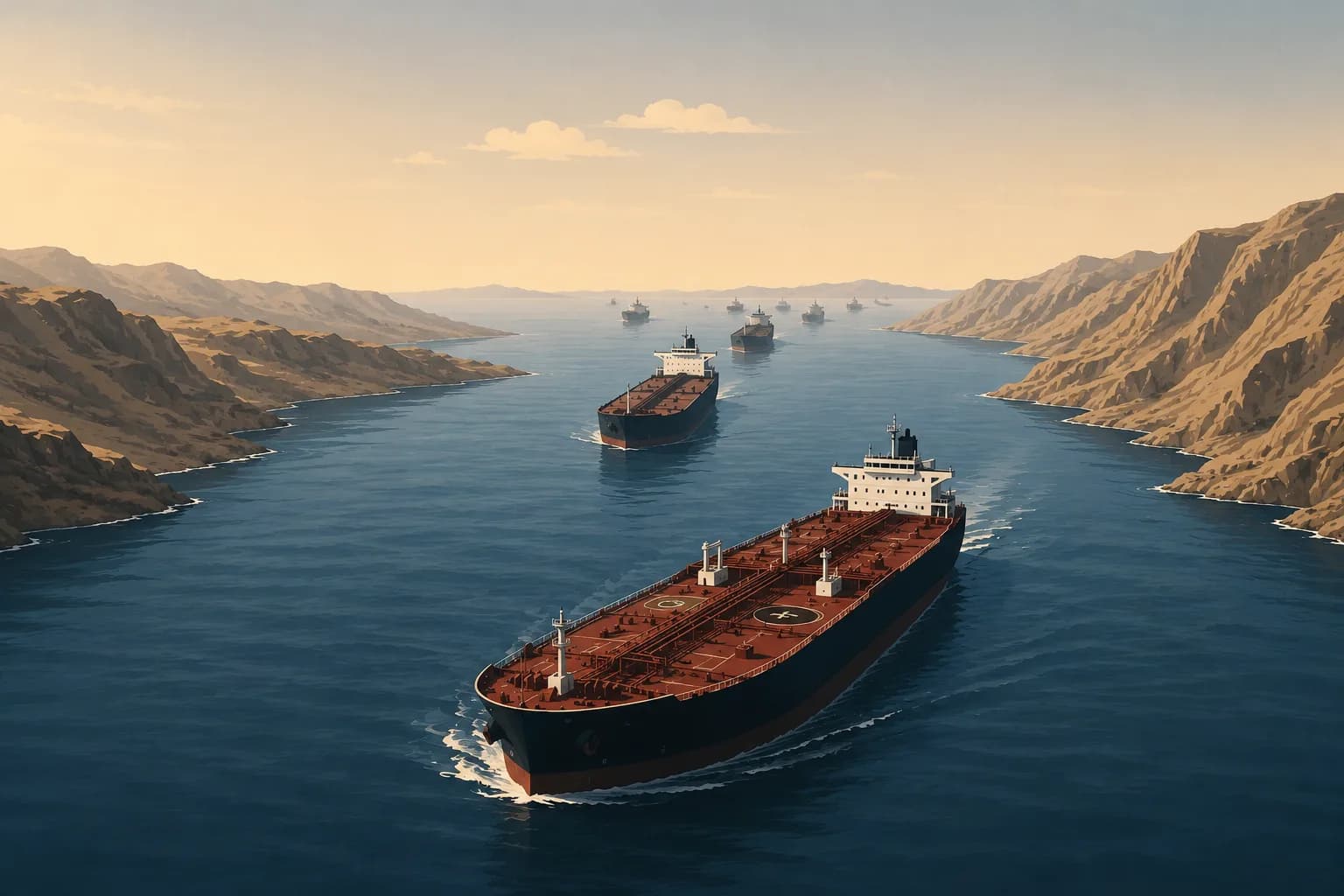
He also spoke about the Strait of Hormuz, a critical global shipping route for oil and gas, asserting that Iran would determine how the waterway functions.
“Don’t flail around pointlessly, or you’ll sink even deeper. The Strait of Hormuz will only open with Iranian arrangements, not American threats,” he added.
Also Read | ‘It will get much worse’: US launches fresh strikes on Iran after attacks on cargo ships in Strait of Hormuz
Why did the US launch fresh strikes on Iran?
The latest warning from Tehran came shortly after the United States carried out strikes on Iranian targets. US President Donald Trump said the operation was launched in response to what Washington described as Iranian attacks on commercial vessels passing through the Strait of Hormuz.
In a post on Truth Social, Trump said the strikes were retaliation for “yesterday’s bombing of ships by Iran” and cautioned Tehran against any further attacks.
“If it happens again, it will get much worse!” Trump wrote.
“This is in retribution for yesterday’s bombing of ships by Iran. If it happens again, it will get much worse!” – President Donald J. Trump pic.twitter.com/TKKf8cIzCr
— The White House (@WhiteHouse) July 8, 2026
The US Central Command (CENTCOM) said the strikes were aimed at Iranian military infrastructure to reduce Tehran’s ability to threaten maritime traffic through the Strait of Hormuz. The waterway handles nearly one-fifth of the world’s oil and liquefied natural gas shipments, making it one of the most strategically important sea routes.
Tensions grow as ceasefire collapses
Iranian state media reported explosions in Bandar Abbas, Konarak, Chabahar and Kish Island following the US operation. Parts of Chabahar also experienced power outages.
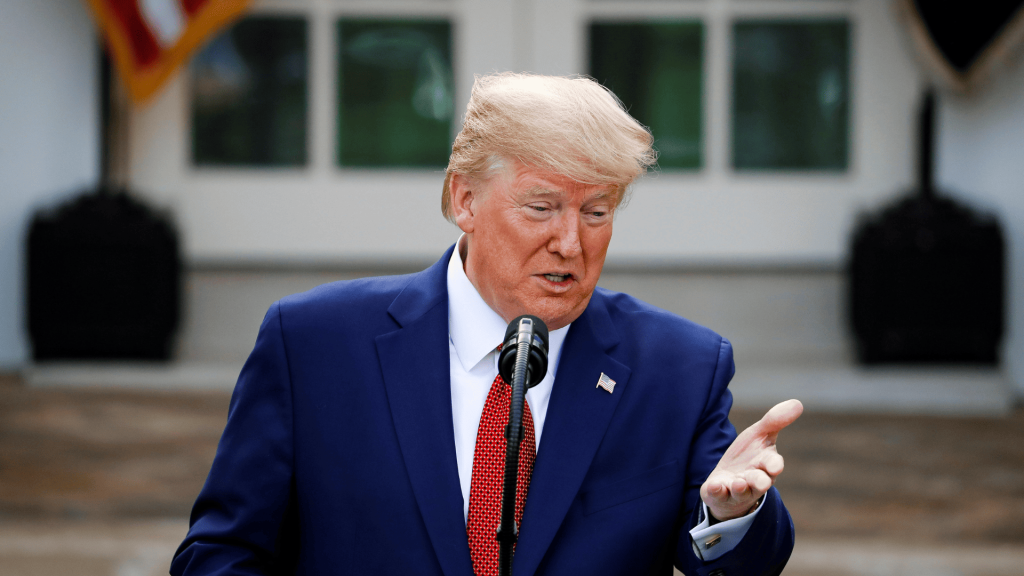
The renewed exchange followed Trump’s announcement that the ceasefire with Iran was “over.” The escalation has prompted appeals for restraint from the United Nations, Pakistan and Qatar, all of which have been engaged in diplomatic efforts to reduce tensions.
Also Read | ‘Iran wants to make a deal’: Trump claims Tehran reached out amid fresh US strikes
Although Trump authorised the military action, he later said aboard Air Force One that Iran had reached out seeking a deal. However, he dismissed the move, describing the Iranian leadership as “sort of crazy.”
The latest developments have also fuelled concerns over global energy supplies. Oil prices climbed amid fears of further disruption, while Tehran reiterated that access through the Strait of Hormuz would remain under its control and warned vessels against using routes not authorised by Iran.
FAQs:
Why is the Strait of Hormuz important to the world?
The Strait of Hormuz is a key global shipping route through which nearly one-fifth of the world’s oil and liquefied natural gas supplies pass.
Why did the US launch fresh strikes on Iran?
The US said the strikes targeted Iranian military infrastructure after accusing Tehran of attacking commercial vessels in the Strait of Hormuz.