





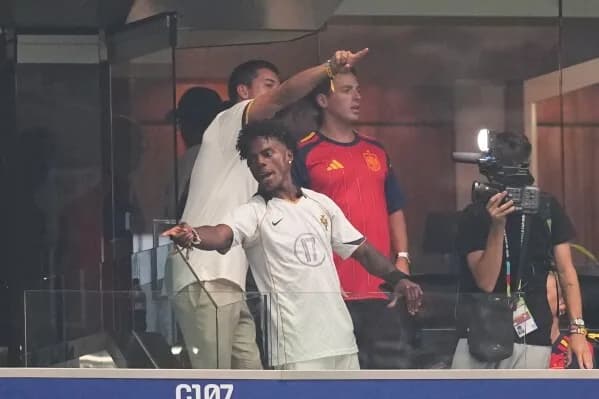

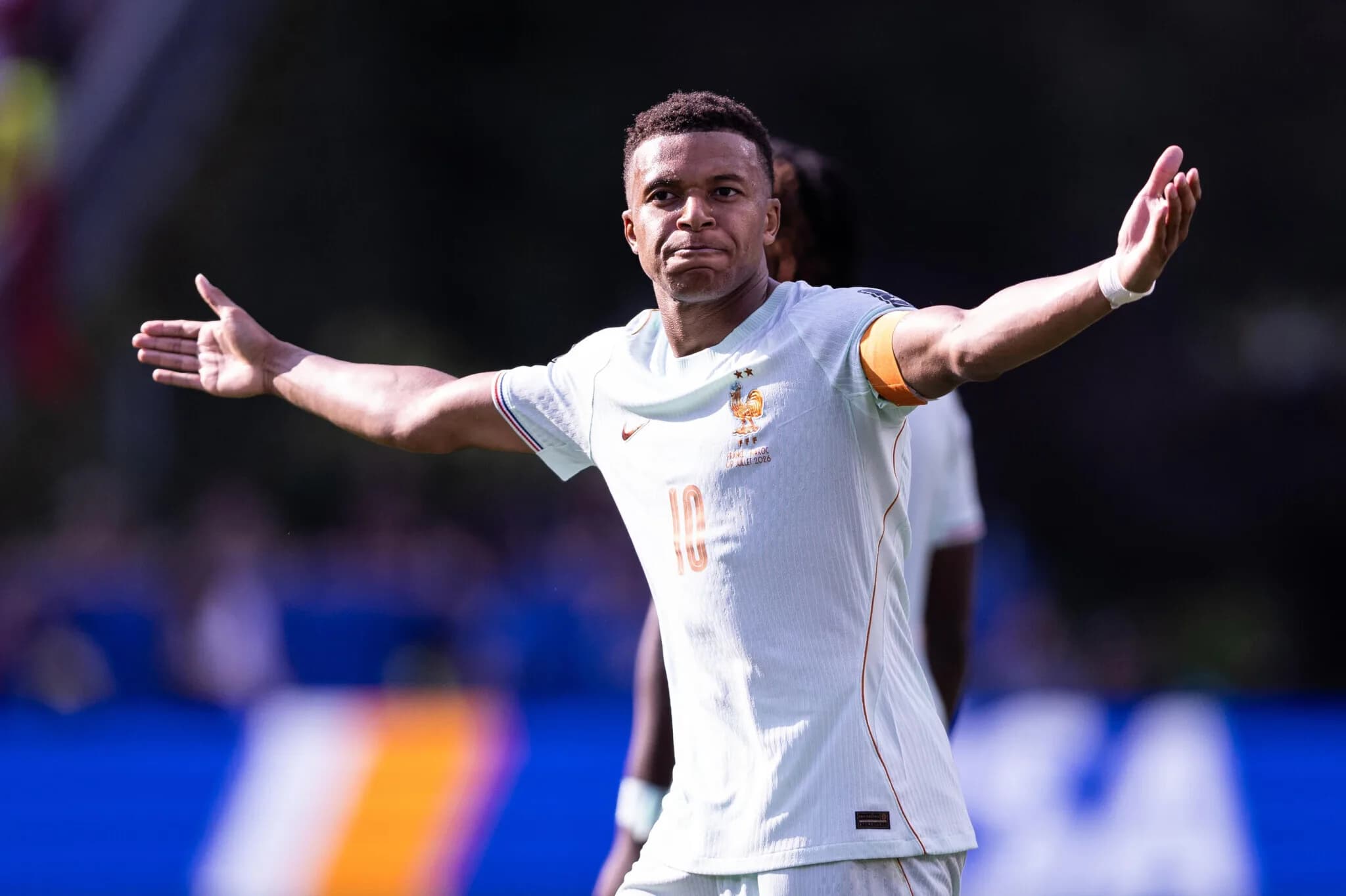





The World Cup 2026 controversy has grown into one of the tournament’s defining storylines, with debates over refereeing decisions, political influence and FIFA’s role threatening to overshadow the football itself. Argentina’s dramatic 3-2 victory over Egypt in the Round of 16 has triggered widespread criticism, while Lionel Messi’s continued march in what is expected to be his final World Cup has fuelled fresh conspiracy theories across the football world.
From coaches and former players to politicians and sporting icons, voices questioning the tournament’s fairness continue to multiply, making this one of the most politically charged World Cups in recent history.
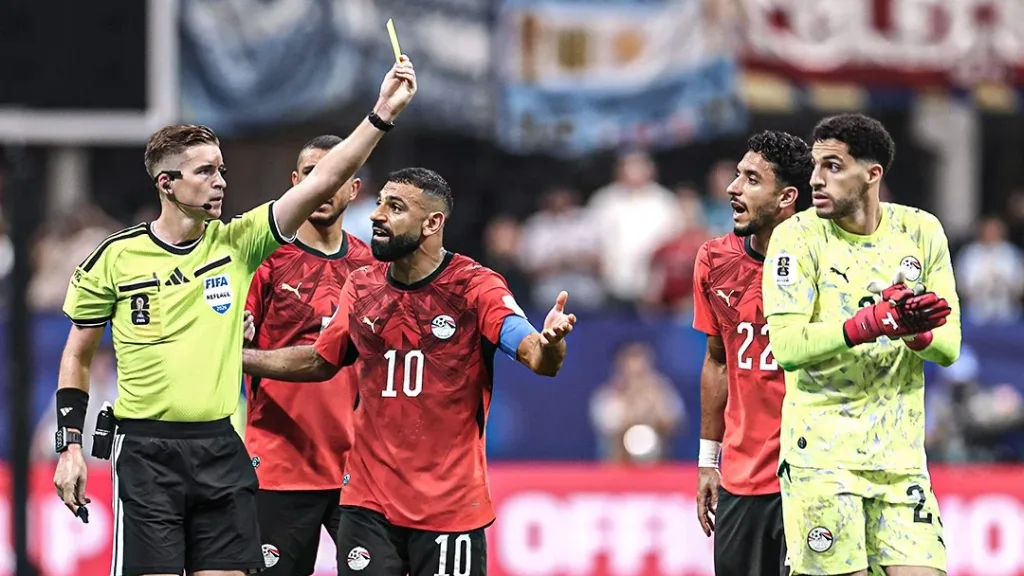
World Cup 2026 controversy deepens after Argentina’s dramatic victory
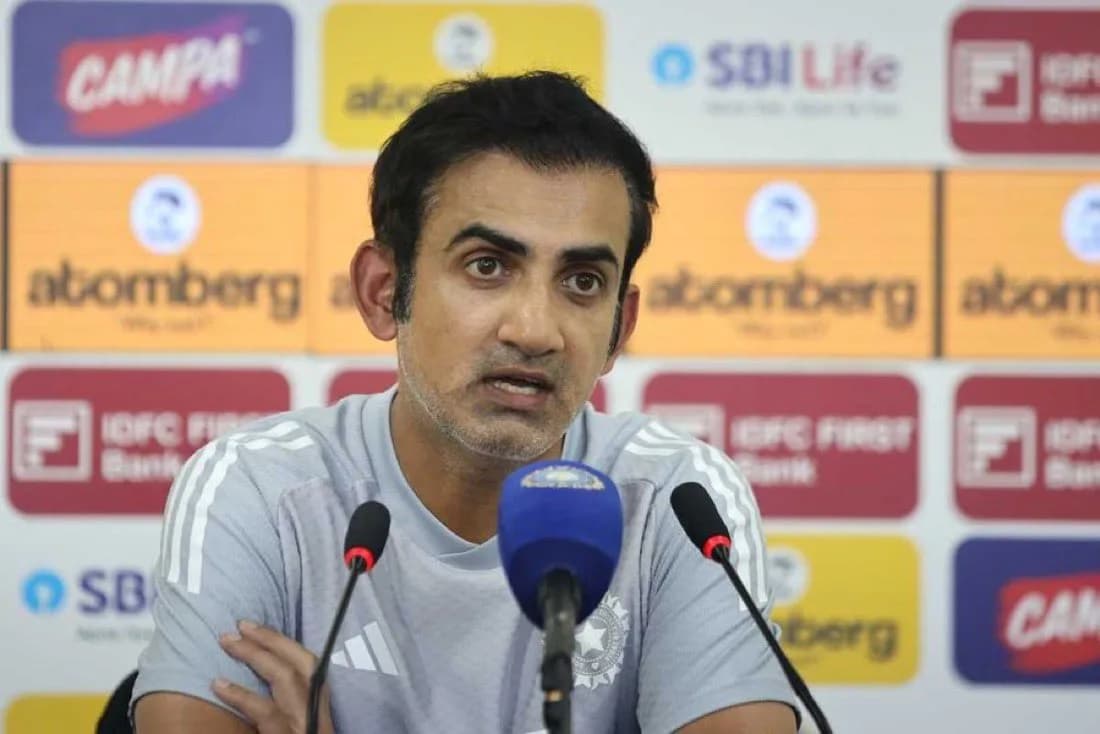
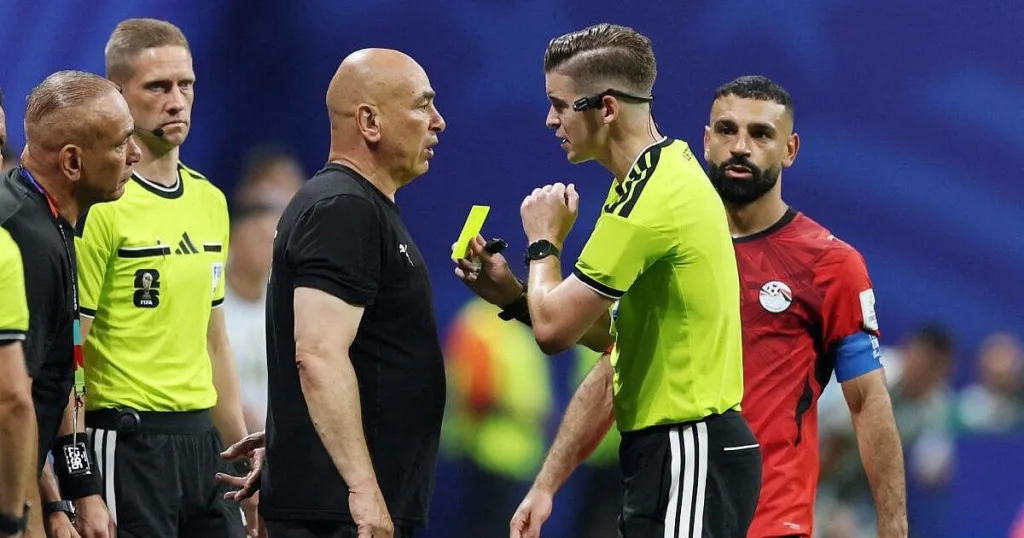
The World Cup 2026 controversy escalated after Egypt manager Hossam Hassan accused officials of favouring Argentina following two pivotal decisions during the knockout clash.
Egypt saw Mostafa Zico’s goal ruled out after VAR detected a foul earlier in the attacking move, while a separate challenge involving Mohamed Salah also became a major talking point before Argentina scored the winner through Enzo Fernandez.
Although the VAR intervention followed IFAB protocols, critics argued that both incidents involved subjective decisions rather than obvious infringements. Hassan suggested external influences may have played a role in keeping Messi’s World Cup campaign alive, comments that quickly gained traction across international media and social platforms.
Former Real Madrid manager Jose Mourinho questioned the circumstances surrounding the match, while chess legend Garry Kasparov also criticised FIFA’s handling of controversial refereeing decisions.
Also Read | ‘ISL clubs are free to decide on OCI player signings’, says AIFF
Political figures and football voices add fuel to the debate
The World Cup 2026 controversy extends far beyond Egypt’s elimination.
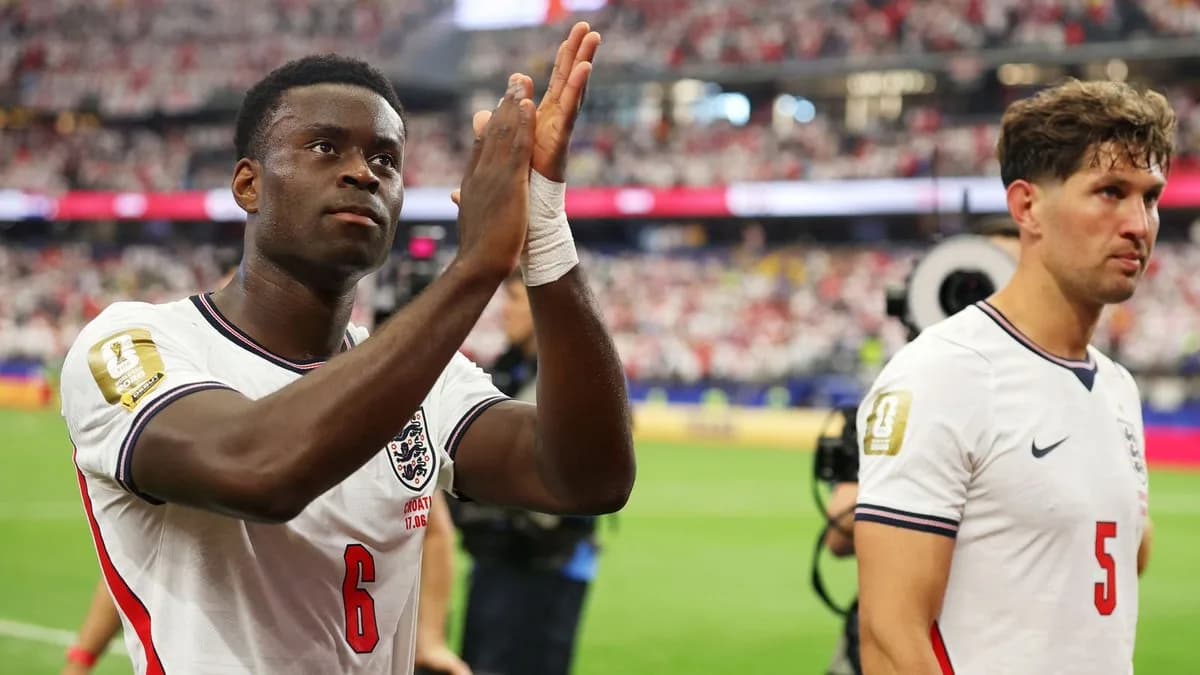
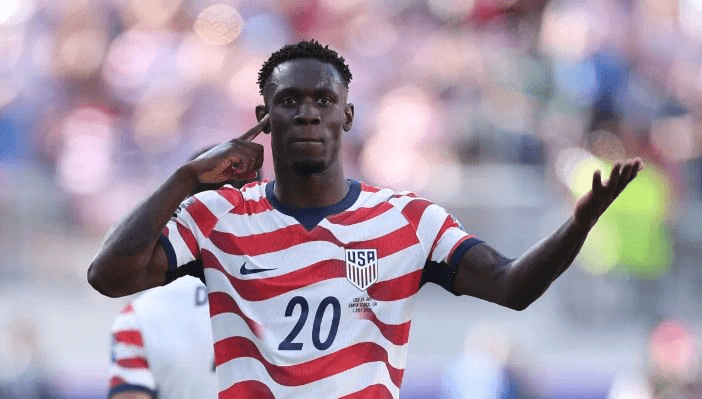
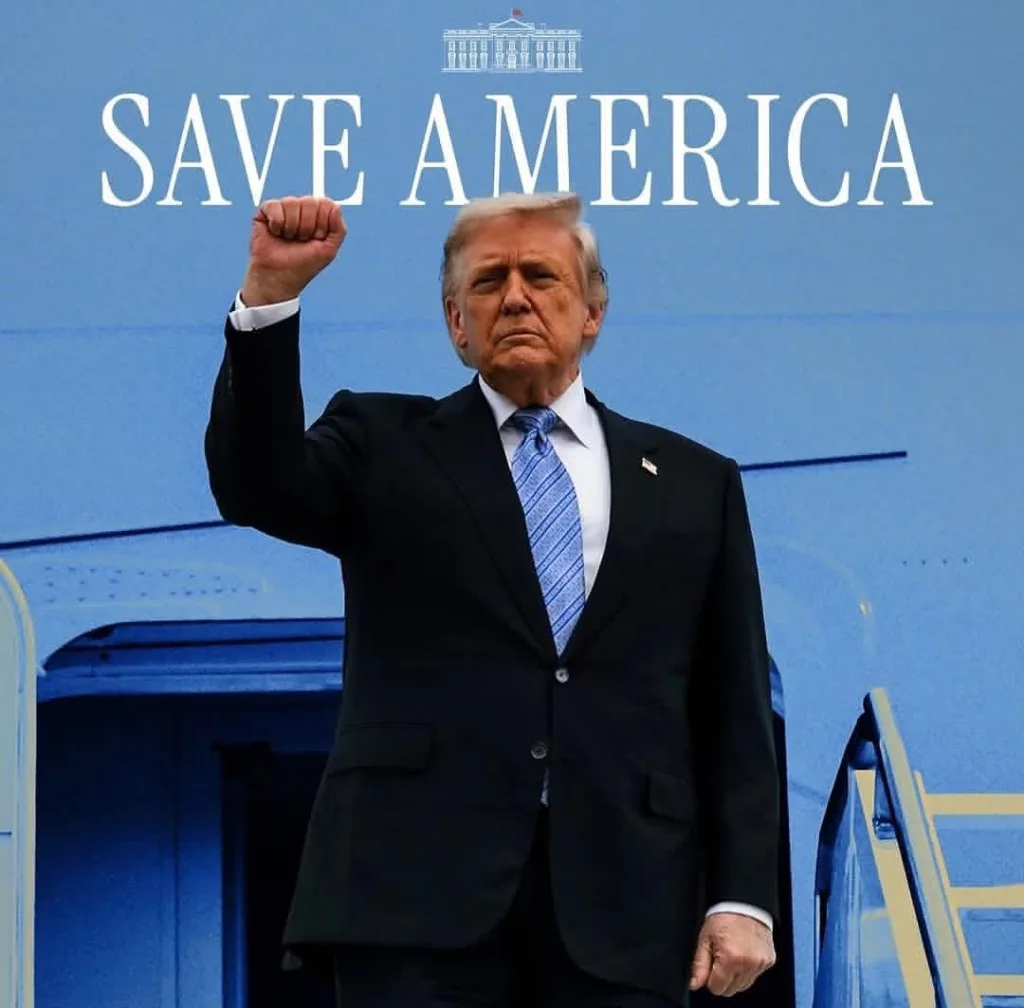
Earlier in the tournament, controversy erupted after Folarin Balogun’s suspension was overturned following intervention linked to US President Donald Trump, drawing criticism from several European football officials. UEFA representatives reportedly questioned FIFA’s independence, while lawmakers in Europe have demanded greater scrutiny of football’s governing body.
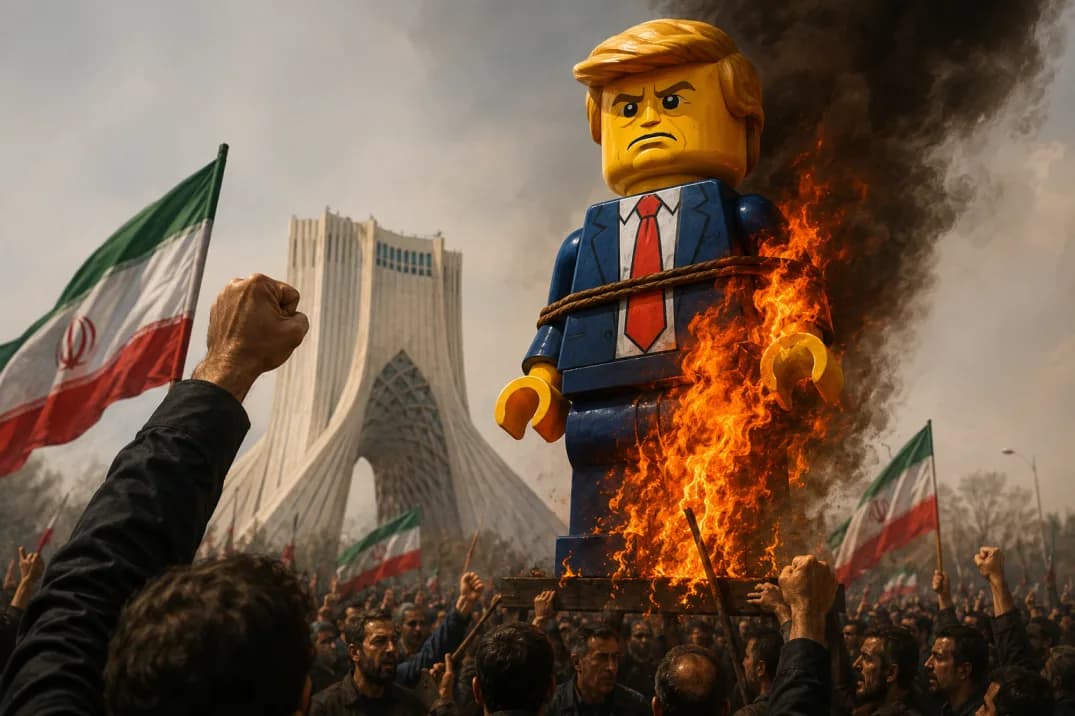
Iran had already accused tournament organisers of creating obstacles throughout their campaign, with President Masoud Pezeshkian openly criticising the United States over its role as host nation.
These developments have transformed what was initially viewed as isolated incidents into a wider debate surrounding governance, transparency and competitive integrity.
Also Read | From Maradona to Suarez: World Cup moments that sparked global debate
Historic World Cup disputes find a new chapter
The World Cup 2026 controversy has inevitably drawn comparisons with previous disputed tournaments.
Football history has witnessed controversial moments ranging from Argentina’s 1978 campaign to South Korea’s run at the 2002 World Cup and the infamous Disgrace of Gijon in 1982. Yet many observers believe the current edition has combined sporting disputes with political narratives more intensely than ever before.
With the quarter-finals approaching and Messi still leading Argentina’s title challenge, attention remains divided between events on the pitch and the growing storm surrounding FIFA’s decision-making.
Whether the allegations prove justified or simply become another chapter in football folklore, the World Cup 2026 controversy has already become as memorable as the tournament itself.