




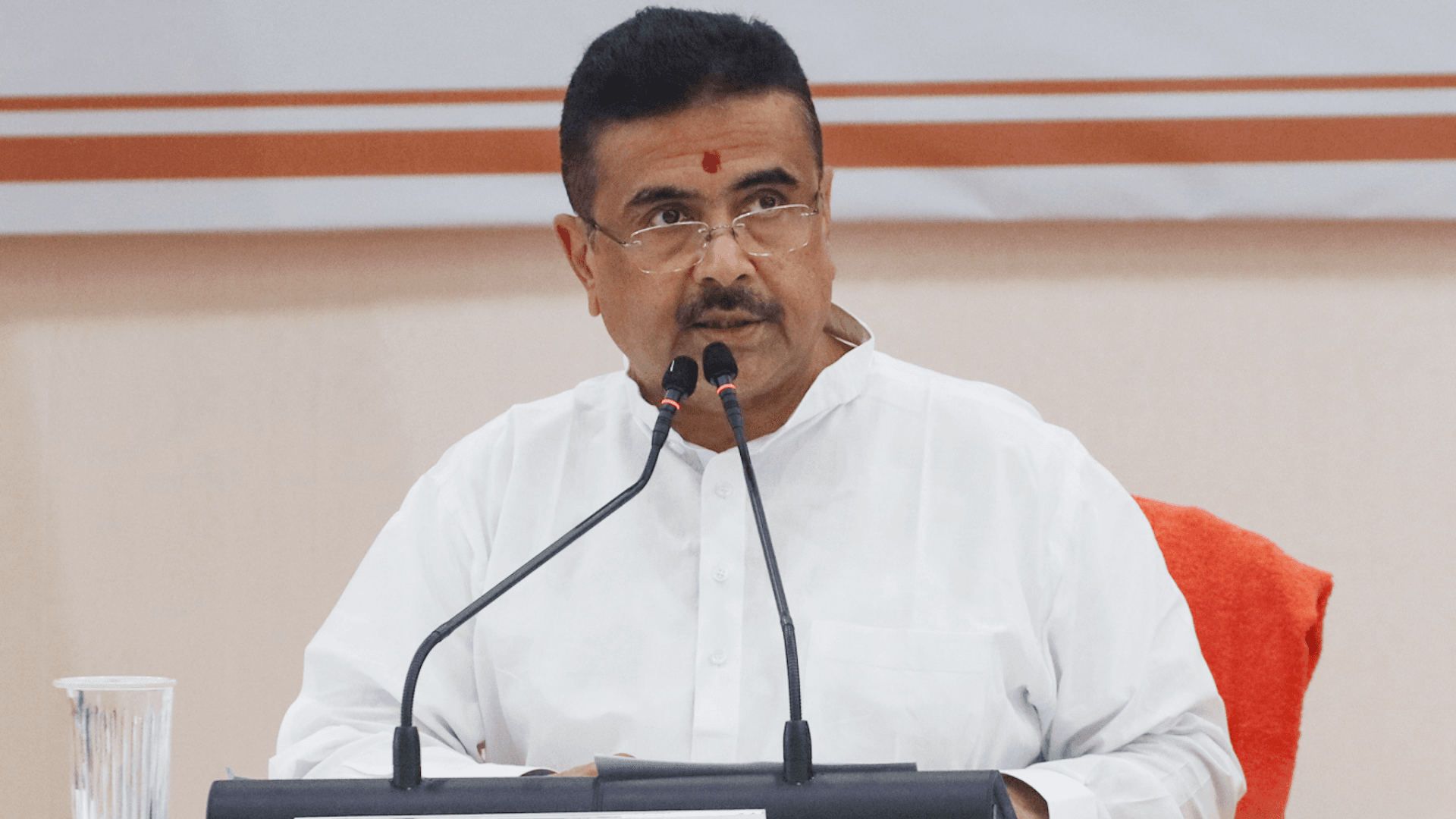













The Delhi High Court has ordered the removal of five social media posts that it found to be prima facie defamatory against BJP MP Raghav Chadha, offering him partial relief in a case involving AI-generated and manipulated online content. However, the court declined to recognise the matter as one involving personality rights, stating that the dispute was essentially one of alleged defamation.
Justice Subramonium Prasad ruled that while some content crossed the line into defamation, the broader legal protection sought under personality rights was not applicable in this case. The order comes months after Raghav Chadha approached the High Court over digitally altered posts and videos circulated on social media after his switch from the Aam Aadmi Party to the BJP.
Court limits relief to defamatory content
According to NDTV, the court directed social media platforms to remove five specific documents that it considered defamatory on a preliminary assessment. At the same time, it refused to order a blanket takedown of all content challenged by Raghav Chadha, observing that criticism of public figures cannot automatically be treated as unlawful.
During earlier hearings, the High Court had made it clear that satire, cartoons and political criticism enjoy legal protection unless they cross into defamation. The latest order reiterates that distinction by allowing limited relief while declining to classify the case as a violation of personality rights.
Raghav Chadha had argued that the online material falsely portrayed him as having accepted money in exchange for changing political allegiance and claimed the content damaged his public image.
Also Read | Delhi plans signal-free travel on 25 roads to ease traffic woes
AI-generated content at the centre of dispute
According to NDTV, the petition highlighted the growing misuse of artificial intelligence in creating deepfakes, voice cloning, morphed visuals and fabricated speeches. Raghav Chadha sought judicial intervention against manipulated digital content that he claimed distorted his identity and reputation.
Among the posts challenged were images depicting him in a saree, as well as visuals showing Prime Minister Narendra Modi showering money on him. His legal team argued that such content was defamatory and intended to suggest that he had “sold himself for money” after joining the BJP.
The court, however, maintained that these allegations should primarily be addressed under defamation law rather than personality rights jurisprudence.
Also Read | Delhi Gymkhana Club land issued eviction notice from the Centre
Political criticism remains protected, says court
According to NDTV, the High Court observed that public figures are naturally subject to scrutiny and criticism, especially over political decisions. It held that only content meeting the threshold of defamation could be directed for removal.
Legal experts say the ruling strikes a balance between protecting individual reputation and preserving freedom of expression online. As AI-generated content becomes increasingly sophisticated, the judgment may also serve as an important reference for future disputes involving manipulated digital media.
Raghav Chadha retains the option of pursuing a separate defamation suit over additional content if he believes it has harmed his reputation beyond the five posts identified by the court.