





















A simple mirror check is gaining traction on social media, with many travellers claiming it can help identify suspicious mirrors in hotel rooms. Commonly referred to as the “1-second mirror test”, the method is being promoted as a quick way to check for privacy concerns during a hotel stay.
While the trick has gone viral online, experts caution that it should not be treated as a foolproof way to detect hidden surveillance. Instead, they say it is best viewed as one of several basic safety measures travellers can use to protect their privacy.
What is this test all about?
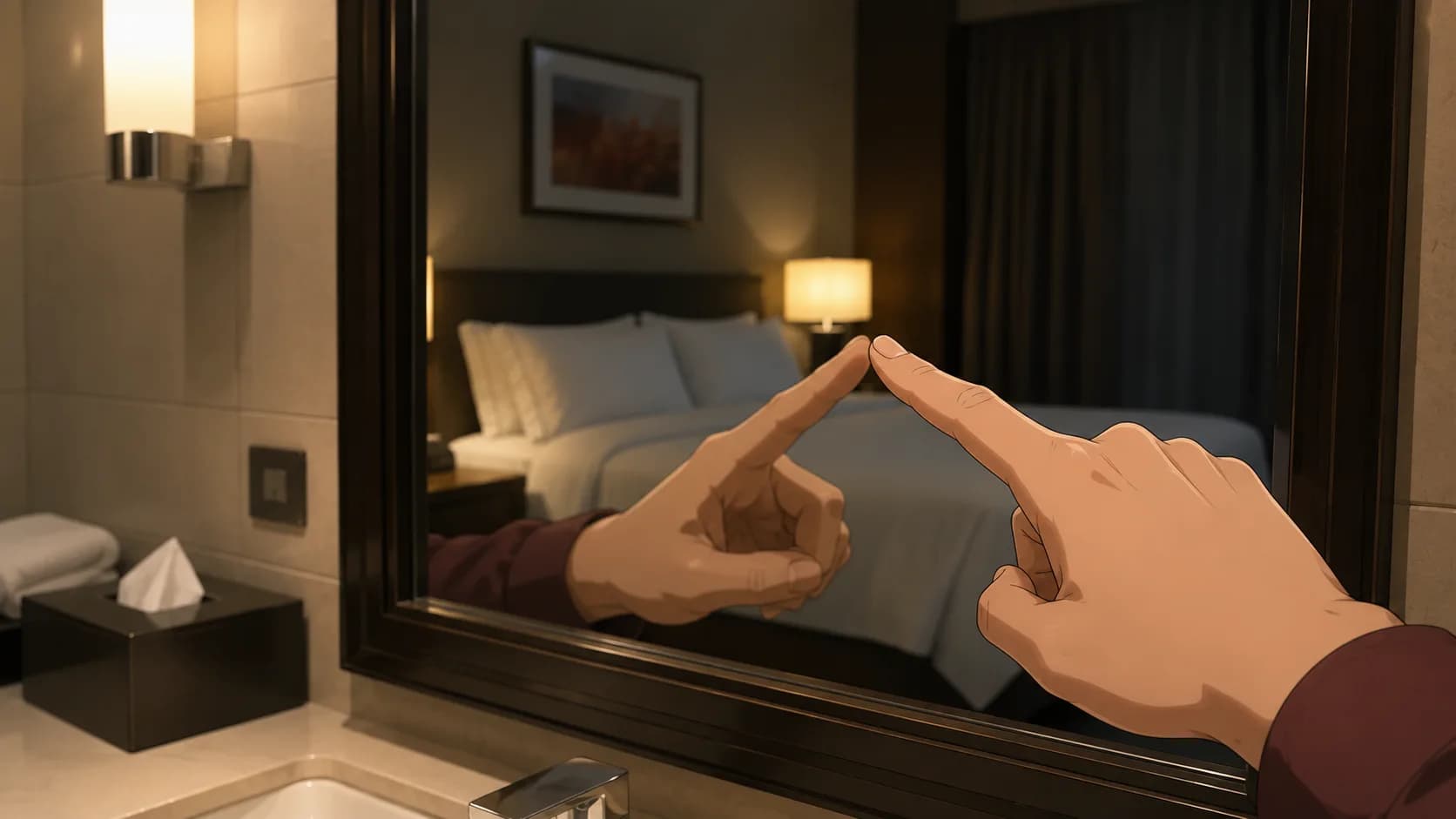
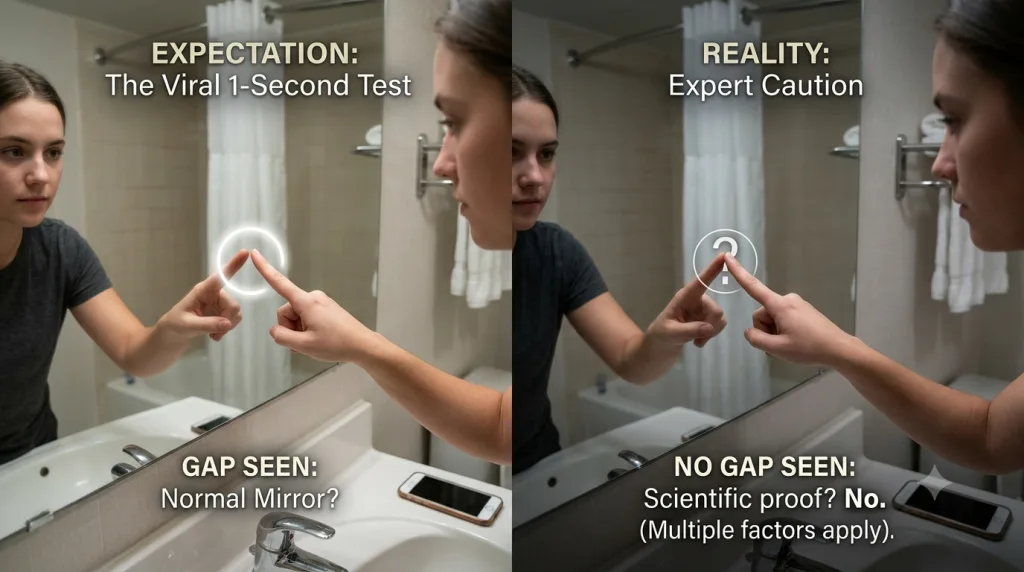
The viral test is when the end of a person’s finger is placed on a mirror. If there is a gap between the finger and the reflection, it’s a normal mirror. If the finger feels like it is actually touching the mirror, but if one can’t see a clear space between the mirror and the finger, there is a possibility it is two-way.
Also Read | Feeling dizzy in the car? A doctor reveals what’s really happening
The test has come to the fore on social media platforms as more travellers talk about privacy issues in the hotel and rental sector.
Mixed claims
The 1-second mirror test has been criticised numerous times by security experts because they say it isn’t scientifically sound. The gap may show up differently based on specific type, thickness and production of the mirror.
A genuine two-way mirror cannot be confirmed simply by touching the glass. Lighting conditions, room design and the construction behind the mirror all influence visibility, making professional inspection the only reliable method if concerns arise.
What are some other ways to protect privacy?
Guests should check out the room after they arrive very carefully, instead of just the mirror test. Search for unusual items, hidden electronic devices or items that are out of place. Anything unusual should be reported to the hotel staff.
Also Read | Forget bucket lists: Gen Z’s new travel trends are all about feelings
Travellers can also read reviews prior to booking, pick a good hotel and not mess with hotel fixtures without being told to do so.
The viral mirror test demonstrates the increasing concern for privacy when traveling. While the method can give some comfort, experts say that it should be used as a means of conversation, not as evidence of hidden surveillance. The best practice is to report anything suspicious to the police or hotel authorities.
FAQs:
What is the 1-second mirror test?
It is a viral mirror check that claims to help identify possible two-way mirrors in hotel rooms.
Is the 1-second mirror test reliable?
Experts say no. It is not scientifically reliable and should not be treated as proof of hidden surveillance.