
















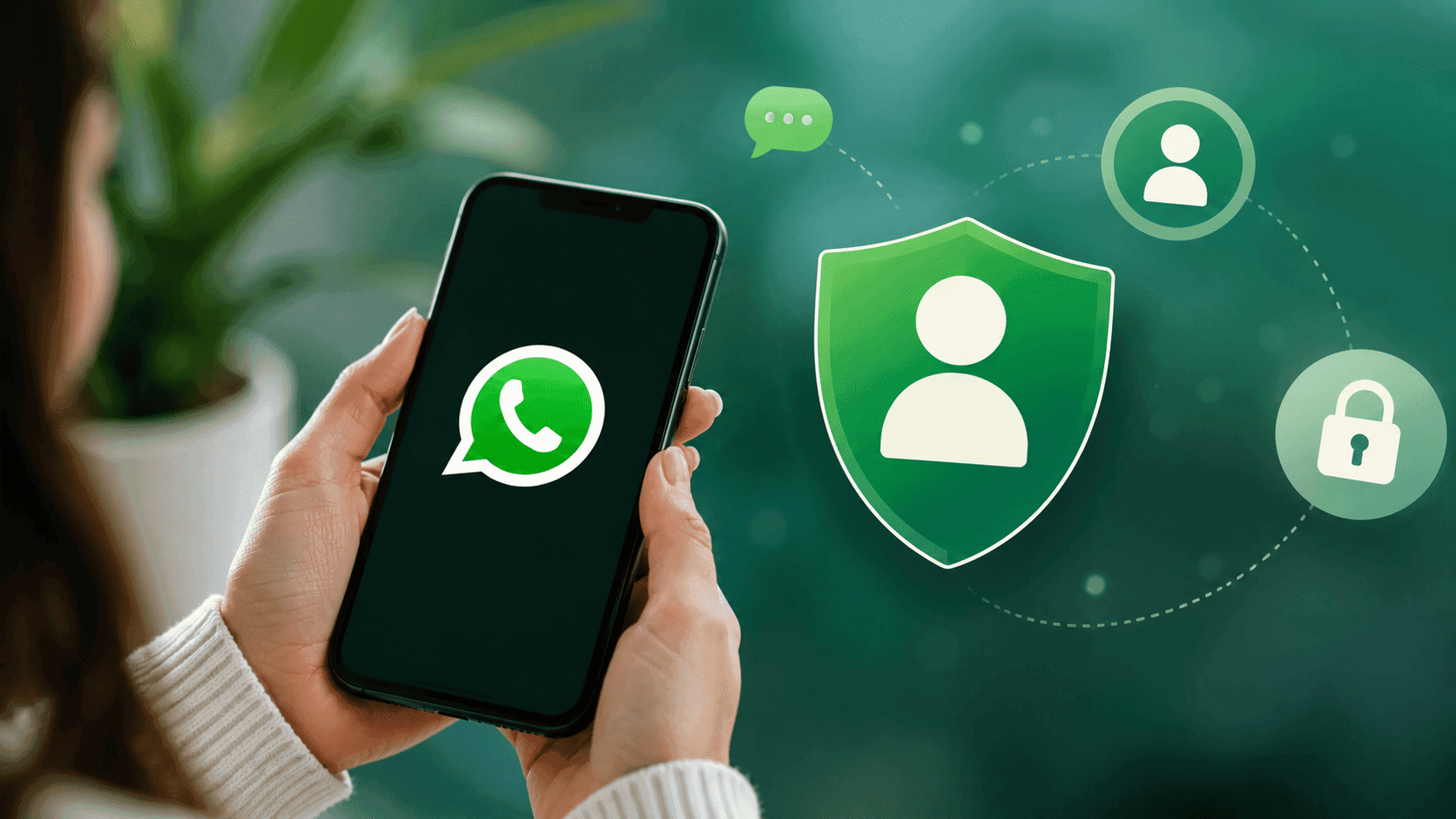
WhatsApp’s much-anticipated username feature may not launch in India in its current form as the Centre examines concerns over impersonation, online fraud and identity misuse.
As per sources quoted in The Indian Express, the government is contemplating the adequacy of the safeguards provided by Meta for preventing any potential abuse of the facility. If found to be insufficient, the government may require the company to reconsider its decision to roll out the facility.
Also Read | Meta’s AI cloud plans emerge as Zuckerberg says cloud business is ‘definitely on the table’
This comes shortly after issues emerged over plans to launch a facility that would allow WhatsApp users to converse using usernames rather than phone numbers, a facility that is already present in applications like Telegram and Signal.
Why is the government concerned?
While WhatsApp had pushed the feature of usernames as a way to enhance security, government officials feel that it could also be used by criminals and impersonators to conduct their business.
The main apprehension is that criminals may have similar usernames to celebrities, political personalities, government organizations, banks, brands, news reporters and other public personalities.
Even slight differences in the username like “@pmindia” and “@pm_india” or “@airtel_support” and “@airtel.support” might become hard to notice by ordinary users.
As per the officials quoted by The Indian Express, government is studying whether or not the security measures suggested will be effective enough to protect against such misuse.
What safeguards has WhatsApp proposed?
Following criticism and questions from regulators, Meta announced several measures aimed at reducing impersonation risks.
The company said that usernames belonging to verified public figures and government entities would be reserved. It also stated that usernames cannot consist solely of numbers, certain restricted terms would be blocked, and users would be able to report impersonation accounts.
Meta has also said that automated systems would monitor suspicious activity and abuse.
However, government officials remain unconvinced that these measures alone will adequately protect users.
Why does this matter for users?
Many users welcomed the username feature because it would allow them to communicate without exposing their phone numbers.
The feature could make it easier to join communities, contact businesses, network professionally and communicate with strangers while preserving privacy.
However, cybersecurity experts warn that hiding phone numbers could also make it harder to identify fraudulent accounts.
Potential risks include fake customer support accounts, fraudulent investment advisors, impersonation of government officials and fake celebrity profiles promoting scams or financial fraud schemes.
Can the government stop the rollout?
However, while the government has not made a final call on this issue, it is clear that approval is not a foregone conclusion.
Also Read | Will WhatsApp usernames become the next tool for online scammers?
In case there is an opinion that the threat of identity theft, phishing, and fraudulent activities remains very high even after considering all the safety measures that WhatsApp has already put in place, then the Indian government can compel Meta to either delay or revise its roll-out in India.
This will be one of the few cases where there is a regulatory hurdle for the launch of a technological advancement in India.
Nevertheless, the cybersecurity experts urge the users to use official channels to check the legitimacy of unknown accounts.
FAQs
Q1. Why does India have reservations regarding WhatsApp usernames?
The government is worried that the addition of such usernames can lead to the impersonation and identity theft cases as well as make investigations of cybercrime complicated.
Q2. Can India stop the implementation of WhatsApp usernames?
Yes, the Indian government can do so in case there are security concerns related to usernames.