






















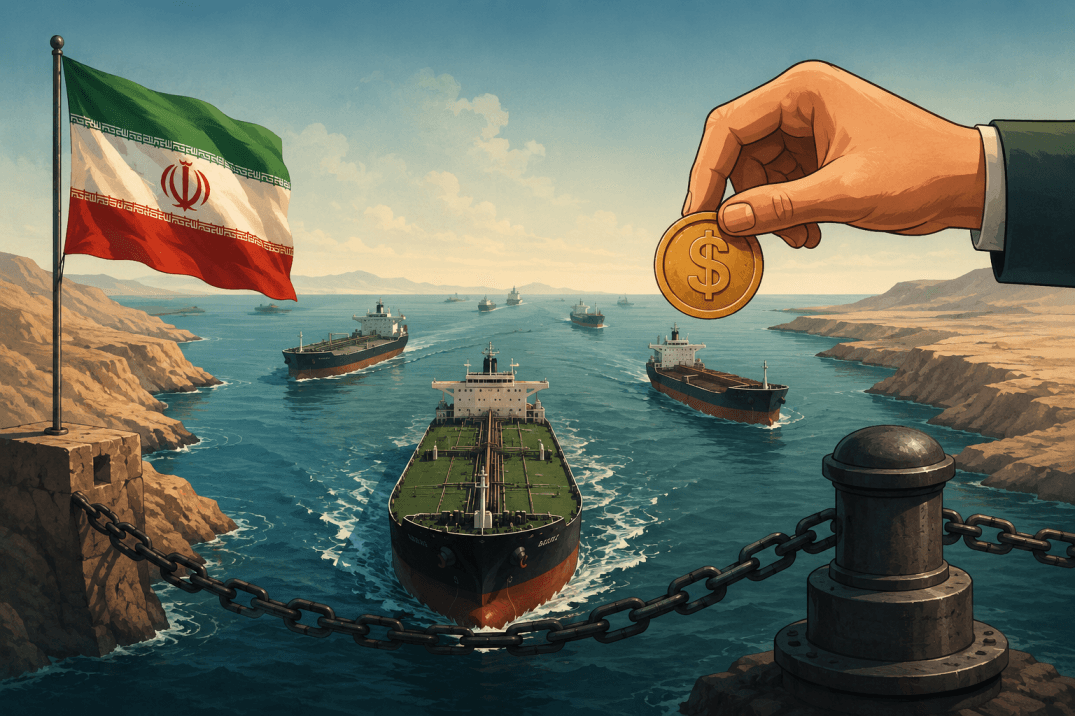
Iran has said it will begin charging service fees for commercial vessels transiting the Strait of Hormuz once a temporary 60-day free-passage arrangement ends, deepening uncertainty over one of the world’s most important energy chokepoints.
The confirmation came from Iran’s ambassador to China, Abdolreza Rahmani Fazli, who said the fees would apply to ships moving through the waterway, while countries deemed friendly to Tehran would receive special treatment.
The announcement adds a fresh layer of tension to a route that normally carries about one-fifth of the world’s crude oil and liquefied natural gas.
Also Read | Ali Khamenei funeral draws crowds, but all eyes are on Mojtaba’s absence
#BREAKING | 🇮🇷 🇴🇲 — Iran Announces Plans to Charge Service Fees for Ships Transiting Strait of Hormuz
— The Global Eye (@TGEThGlobalEye) July 5, 2026
Iran's Ambassador to China (PRC), Abdolreza Rahmani Fazli, stated that Iran will introduce service fees for vessels passing through the Strait of Hormuz, describing the charges… pic.twitter.com/XFUtOJBcCV
The strait acquires a new keeper’s ledger
Speaking at the World Peace Forum in Beijing, Rahmani Fazli said Iran was working “in collaboration and cooperation” with Oman on “new arrangements” for the strait.
He said the charges would be service fees rather than a toll and linked them to security, oversight of vessel movement and environmental concerns arising from heavy shipping traffic.
“As a country where the Hormuz is part of its territorial waters, we will definitely charge service fees,” he said in translated remarks. He added, “These new arrangements will focus on ensuring the security of passage through the Straits of Hormuz, supervising the movement of vessels, and addressing the environmental consequences of the large number of ships.”
BREAKING: Iran to Introduce New Service Fees in Strait of Hormuz
— Netram Defence Review (@NetramDefence) July 5, 2026
Iran has announced plans to charge commercial vessels service fees for transiting the Strait of Hormuz, saying the charges will cover navigation security, traffic monitoring, and environmental protection.
Tehran… pic.twitter.com/uL1Bqu3gpQ
Allies may find the tide more forgiving
The ambassador also indicated that Tehran would take a selective approach to countries that had stood by it during the conflict.
“We will definitely consider special treatment for the countries that were friendly to us and especially stood by us during the hard times,” he said.
The initial arrangement with the United States, reached to end the war, had allowed commercial ships to pass through the strait free of charge for 60 days, but the shape of any post-deadline system remains unclear.
Iranian sources see the issue of Hormuz control as central to the wider peace talks. Tehran wants formal recognition of its authority over ship passage and fees.
Iran’s ambassador to China said on Saturday that Tehran plans to introduce new fees for ships transiting the Strait of Hormuz, while indicating that “friendly” countries would receive special treatment, CBS reported.
— Iran International English (@IranIntl_En) July 4, 2026
Speaking at the World Peace Forum in Beijing, Abdolreza… pic.twitter.com/DjYLCJxGNn
The world’s busiest waterway meets fresh resistance
The move has drawn opposition from Washington, which rejects Iran’s interpretation of the agreement and says the Strait of Hormuz must remain open to unrestricted navigation.
US officials have warned that any mandatory charges could threaten free passage and global energy flows. Washington has argued no country is entitled to block shipping or impose fees in an international waterway.
The Strait of Hormuz, at its narrowest point, connects the Gulf to the Arabian Sea and remains a critical corridor for global energy trade, making any change in its access rules a matter of immediate geopolitical and economic concern.
Also Read | ‘I thought people hated him’: Trump ‘shocked’ by massive crowds at Khamenei’s funeral
FAQs
Q1: Why is Iran introducing service fees for the Strait of Hormuz?
Ans: Iran says the fees are intended to cover maritime security, vessel supervision and environmental management in the Strait of Hormuz.
Q2: Will all countries pay the same Strait of Hormuz transit fees?
Ans: No, Iran has said countries it considers friendly may receive special treatment under the new transit fee system.