















Iran’s armed forces launched attacks on US military infrastructure in Gulf states on Thursday after fresh US strikes on Iran’s southern coastal and eastern provinces pushed a three-week-old ceasefire closer to collapse.
Tehran said the targets included US Patriot systems in Kuwait, an early-warning site in Qatar, and a US Army fuel depot in Bahrain.
The US strikes had triggered the latest Iranian response in Kuwait and Bahrain. The exchange came hours after President Donald Trump said he believed the interim ceasefire with Iran was “over.”
Also Read | NATO’s Ankara summit delivers unity, but Trump’s unpredictability still shadows allies
🚨🇺🇸🇮🇷 Iranian state-run media just confirmed that a cruise missile impacted the Bushehr nuclear power plant in southern Iran, Iran's only nuclear power plant.
— Mario Nawfal (@MarioNawfal) July 9, 2026
Iranian officials say, however, that the plant did not sustain any damage in the overnight attack.
There were reports…
A kingdom bids its sovereign farewell
The attacks coincided with Iran’s burial of its slain Supreme Leader Ayatollah Ali Khamenei in Mashhad, at the country’s holiest shrine, after a week of mass funeral processions and rallies.
His body was carried through the streets on a truck as black-clad mourners waved Iranian flags and photographs of the late leader. Iran’s air force was flying MiG-29 jets to “secure the skies over the funeral procession” in Mashhad.
Khamenei was killed in a US airstrike on February 28, the first day of the war.
BREAKING: US strikes rail bridge in Iran used for China and Russia trade, reports Iranian news agency
— Al Jazeera Breaking News (@AJENews) July 9, 2026
🔴 LIVE updates: https://t.co/RpkFK8gIYd pic.twitter.com/G0Oz6L0LqD
The embers refuse to cool
Iranian officials said US strikes on July 8 and 9 killed 14 people and injured 78 across five provinces, with state media reporting that one strike hit a rail bridge used for trade with Russia and China.
There were reported explosions in Bushehr province and Bandar Abbas. A local official later stated that a US projectile hit the perimeter of the Russian-built nuclear power plant in Bushehr. US strikes also hit a military site and a fishing dock there, with no casualties.
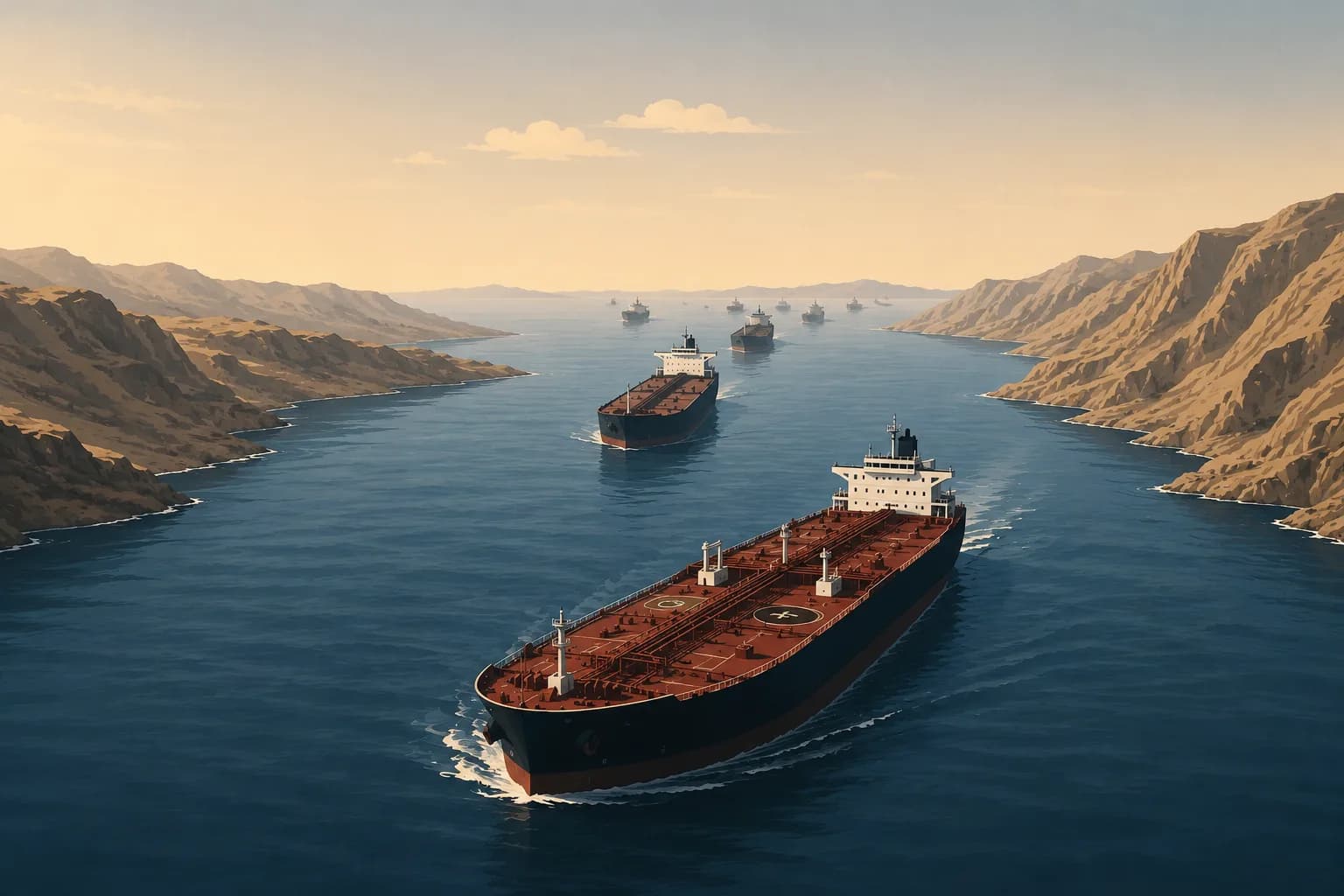
The Revolutionary Guards said further US intervention would draw a “crushing response.” Iran’s top negotiator Mohammad Baqer Qalibaf wrote on X that the Strait of Hormuz would be reopened only under Iranian arrangements, not through US threats.
Iranian Health Ministry Reports 92 PEOPLE were Killed and Injured in the U.S. Attacks over the Past Two Days
— Ryan Rozbiani (@RyanRozbiani) July 9, 2026
Full List of US and Iranian Strike Targets on 7/8-7/9
NO ATTACKS ON Nuclear Power Plants and Kharg Island. Those were false.
List of Places in Iran the U.S. Strikes… pic.twitter.com/C3Bp4jF1Mj
Can diplomacy keep pace with the missiles?
The regional spillover was immediate. Kuwait said its forces engaged a cruise missile, three ballistic missiles, and 10 drones in its airspace, with one person injured by falling shrapnel.
Jordan said eight missiles were intercepted after alarms sounded there. Qatar, which hosts the region’s largest US base, called for a return to diplomacy, even as the US Central Command said its forces had struck about 90 Iranian military targets, including air defense systems, coastal surveillance assets, and missile and drone storage sites.
Trump said, “This is in retribution for yesterday’s bombing of ships by Iran. If it happens again, it will get much worse!” but also told reporters in Ankara that he did not expect the latest strikes to become a full-fledged war and that “anything that happens is going to be over very quickly … and will only make it safer, including for oil.”
Also Read | Erdogan’s engraved revolvers become the most talked-about NATO summit souvenir
FAQs
Q1: Why did Iran launch strikes on US military targets in the Gulf?
Iran said the attacks were retaliation for fresh US strikes on its territory that it claimed killed civilians and damaged infrastructure.
Q2: Which Gulf countries were affected by Iran’s latest attacks?
Iran said it targeted US military infrastructure in Kuwait, Qatar and Bahrain during the latest escalation.