





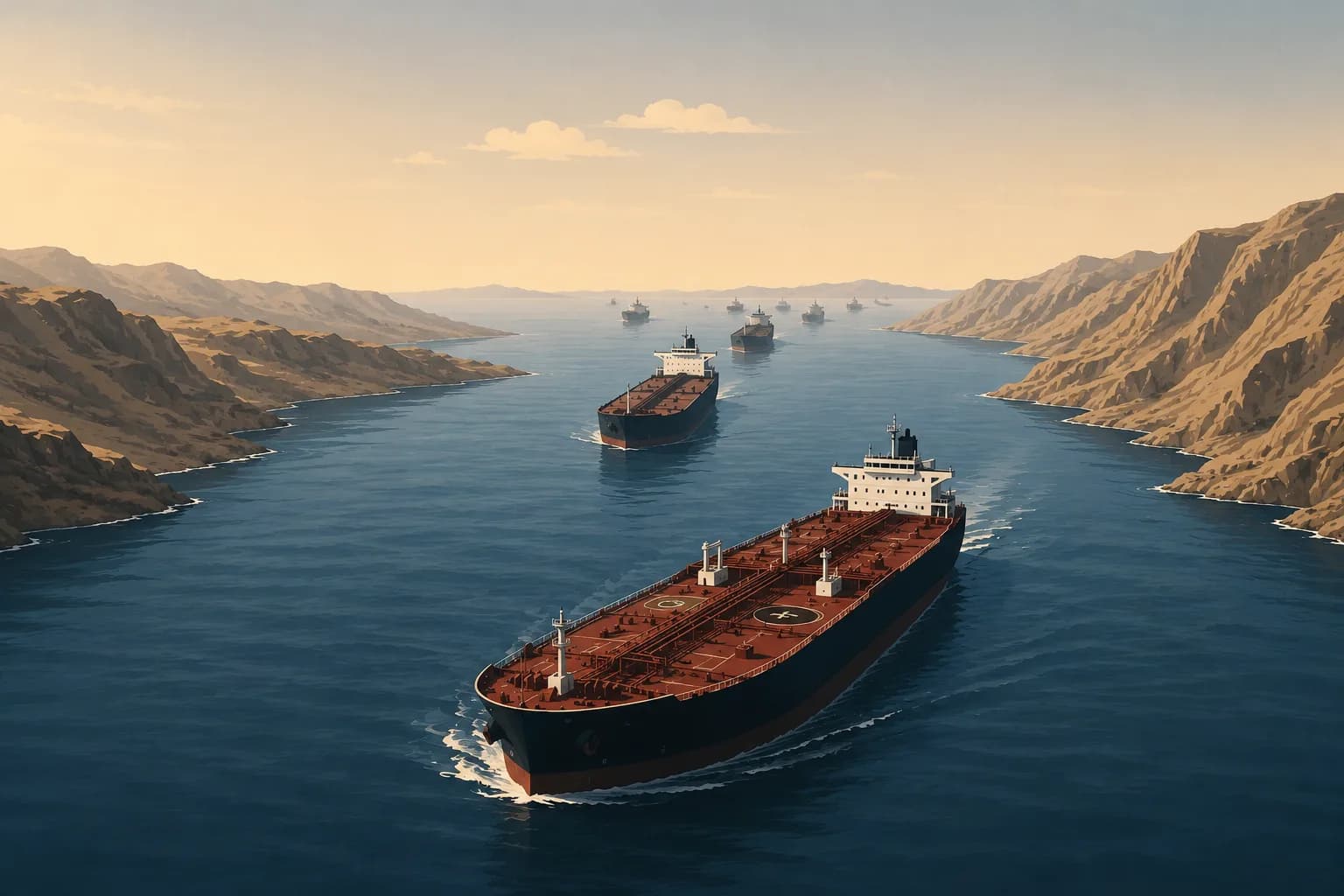








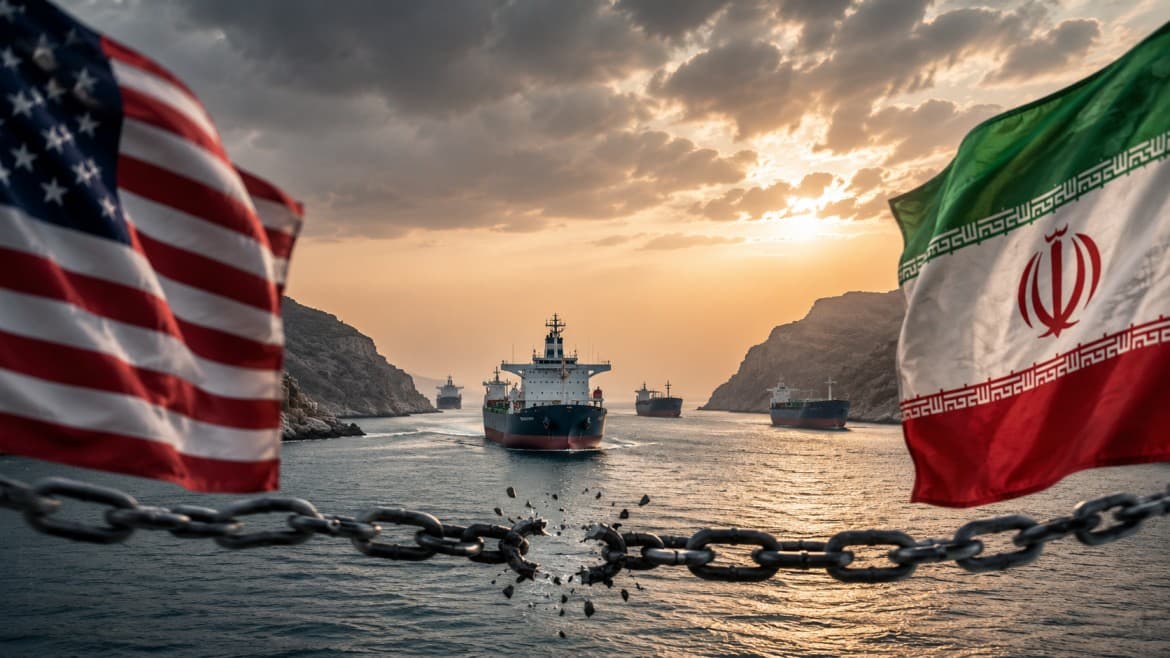
As President Donald Trump continues to push for a diplomatic framework with Tehran, the United States has warned Iran against any attempt to disrupt the Strait of Hormuz, a key maritime route that handles nearly one-fifth of the world’s oil and gas trade.
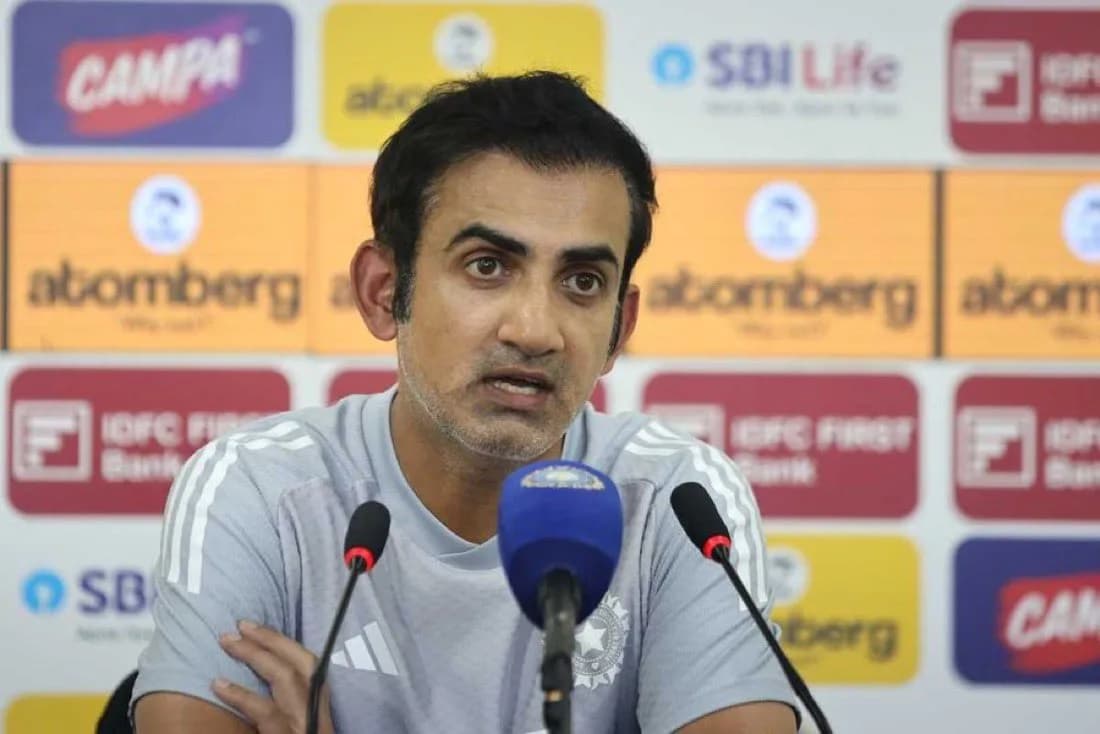
Speaking during an emergency meeting of the United Nations Security Council convened at Bahrain’s request, US Ambassador to the UN Mike Waltz said Washington viewed any move to block international waterways as unacceptable.
“Our message to the Iranian regime is clear: closing international waterways is not self-defence,” Waltz said.
Also Read | Qatar says US-Iran Doha talks make ‘positive progress’ despite Hormuz standoff
Waltz also urged the Security Council to hold Iran accountable for actions against commercial shipping, saying that threatening civilian vessels was inconsistent with international obligations.
“Threatening commercial vessels cannot be justified under the UN Charter,” Waltz added.
Referring to the UN body, he added, “If it has a backbone, it won’t stand for it”.
I cannot stress enough the possibility of real transformative positive opportunity for the nation and people of Iran is on the table, but President Trump’s patience is not unlimited.
The world cannot continue to suffer, and Iran must abide by its obligations to this Council… pic.twitter.com/E3eqCXOOiZ— Ambassador Mike Waltz (@USAmbUN) July 2, 2026
Questions raised over attacks on commercial vessels
The US envoy accused Iran of targeting civilian infrastructure and commercial ships operating in the Strait of Hormuz. He referred to incidents involving vessels carrying the flags of Singapore and Panama.
“I ask, did the Singaporean air force or military attack Tehran or attack Iran? No, but yet Iran attacked a Singaporean-flagged commercial vessel. We have the ambassador here from Panama. Panamanian-flagged vessels were attacked just this last week. Did Panama attack Iran? Is that self-defense against Panama?” he asked.
Waltz said Iran should move towards dialogue and diplomacy instead of confrontation.
“There’s an old scripture that says, ‘I have set before you life and death, blessing and curse.’ Iran cannot keep choosing death and curse.
And today we once again urge Iran to revert to the path of peace and dialogue. The world is not with Iran. Iran’s own people are not with this regime, and its neighbours are not with this regime.”
Doha talks continue despite differences
The remarks come as the United States and Iran continue negotiations aimed at ending the conflict in West Asia. Talks held in Doha focused on restoring maritime traffic through the Strait of Hormuz and unfreezing Iranian funds.
Also Read | US intelligence warned Iran of threats to top leaders, claims report
Waltz said the negotiations offered Tehran an opportunity for change but warned that Washington’s patience had limits.
“I cannot stress enough the possibility of real transformative positive opportunity for the nation and people of Iran is on the table, but President Trump’s patience is not unlimited. The world cannot continue to suffer, and Iran must abide by its obligations to this Council that this Council voted for without opposition, and the world must hold this regime to account,” he said.
The next round of discussions is expected after the burial ceremony of Ayatollah Ali Khamenei on July 9.
FAQs:
Why did the US warn Iran over the Strait of Hormuz?
Washington said disrupting international waterways cannot be justified as self-defence.
What is the significance of the Strait of Hormuz?
It carries nearly one-fifth of the world’s oil and gas trade.