



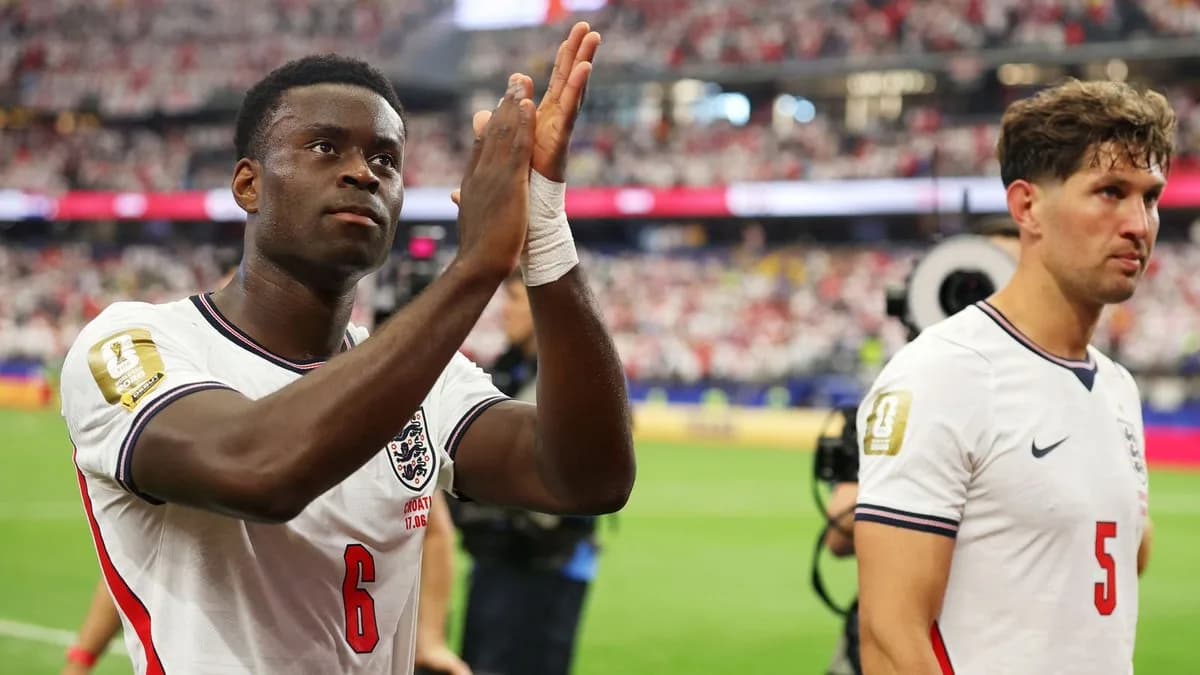

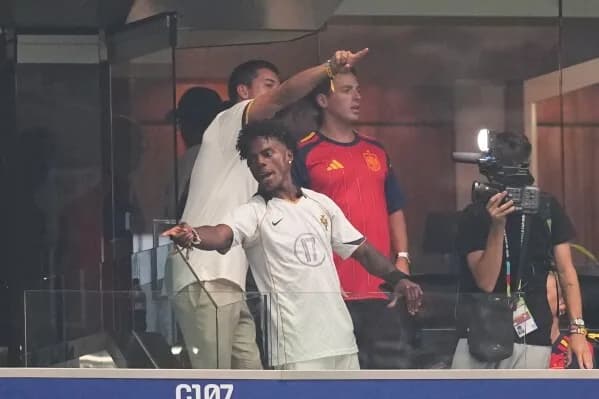

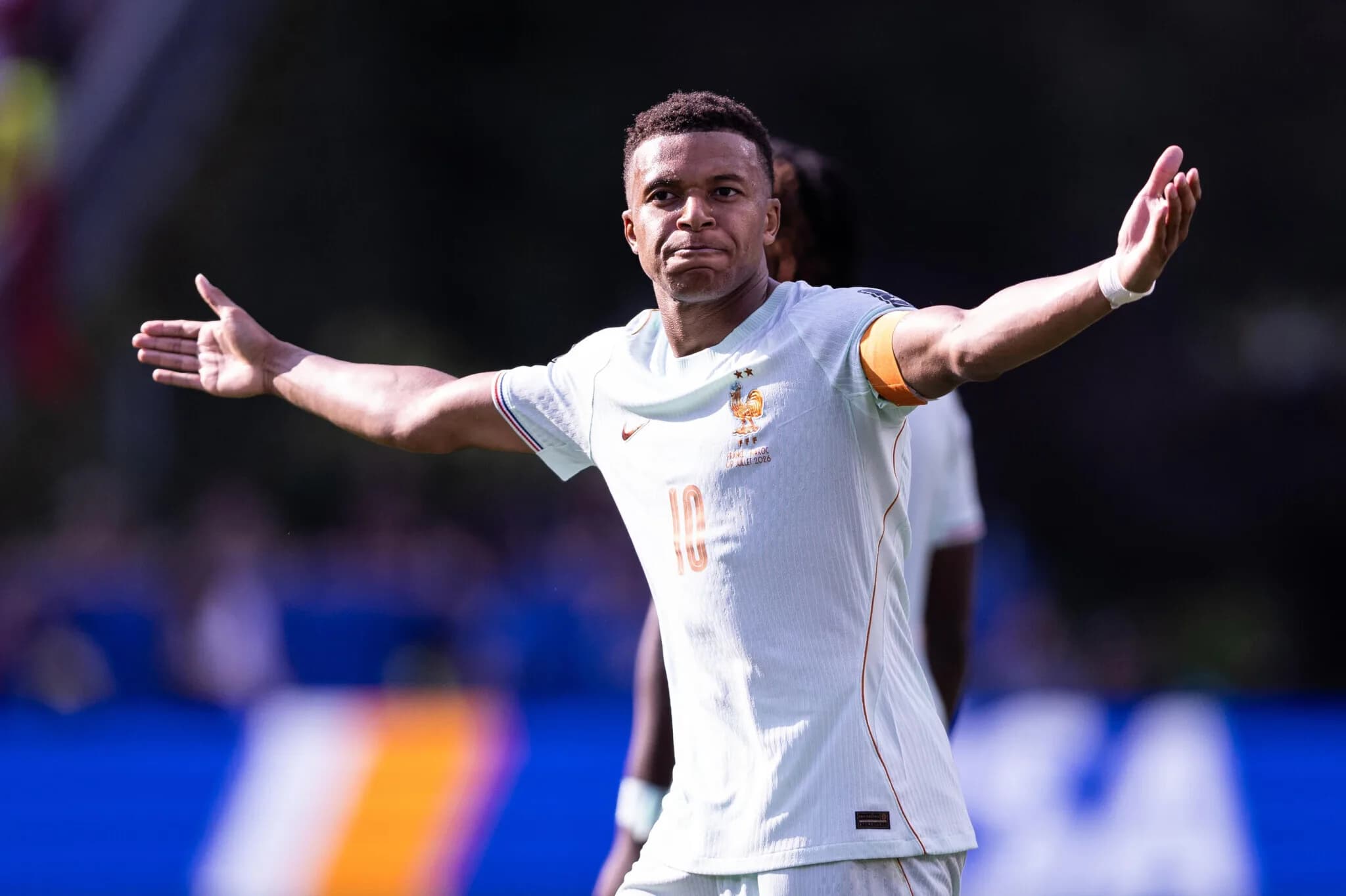






FIFA’s decision to suspend United States striker Folarin Balogun’s automatic one-match suspension has become one of the biggest controversies of the 2026 FIFA World Cup.
The decision came after Balogun was sent off during the United States’ Round of 32 victory over Bosnia and Herzegovina. While a red card normally carries an automatic one-match suspension, FIFA’s Disciplinary Committee invoked Article 27 of its disciplinary regulations to suspend the punishment, allowing the striker to feature in the knockout clash against Belgium.
Also Read | Portugal vs Spain: European giants battle for World Cup quarter-final berth
This decision has faced criticism from various football organisations and former footballers and coaches.
What happened?
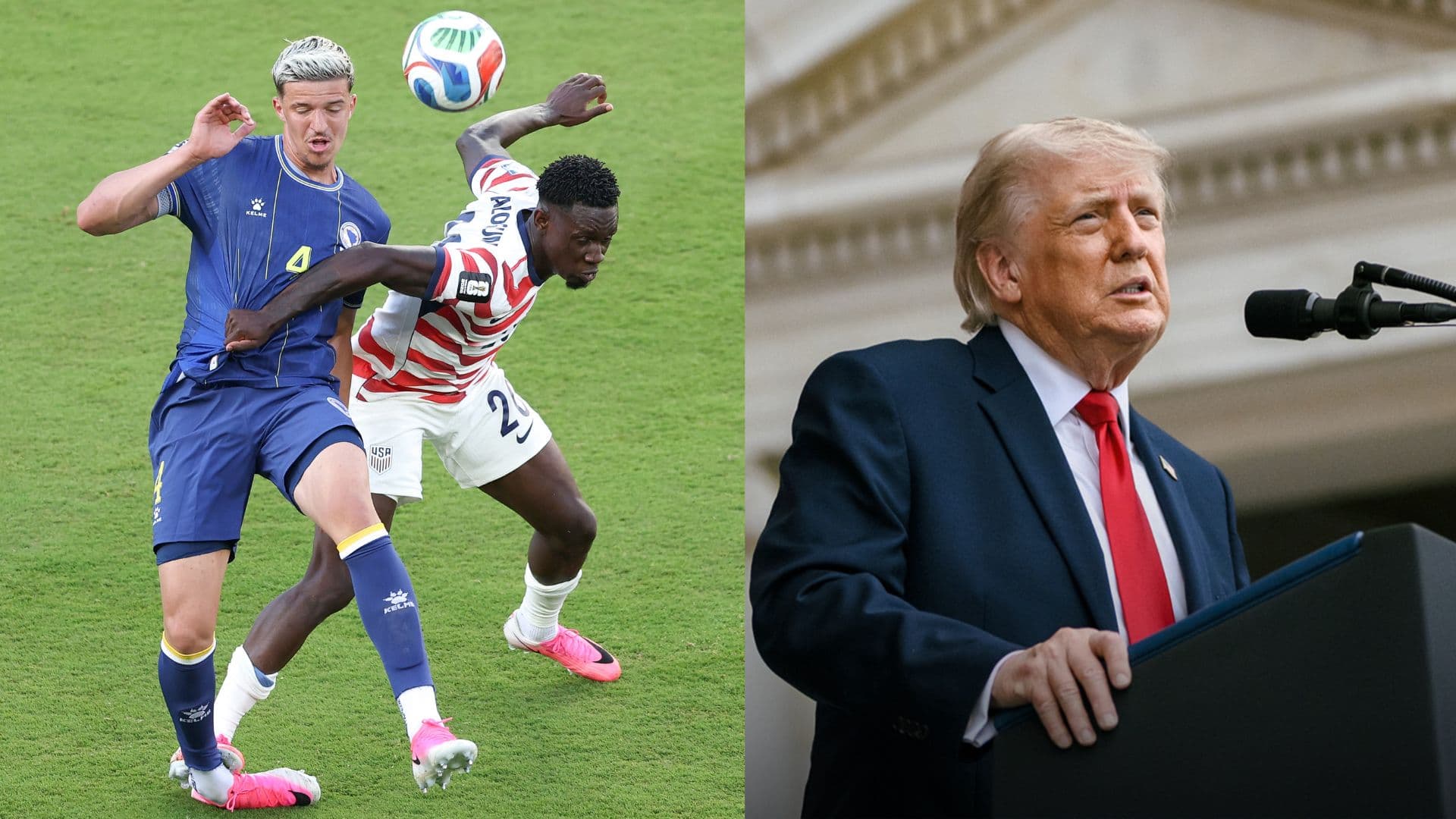
The player was sent off for stamping on the ankle of defender Tarik Muharemovic in the 64th minute of the game by referee Raphael Claus who made the ruling following the review via video assistant referee (VAR).
Despite winning the game 2-0 and qualifying for the next round, the player seemed to have missed the match against Belgium in the Round of 16 since the player was automatically suspended from playing in the next game.
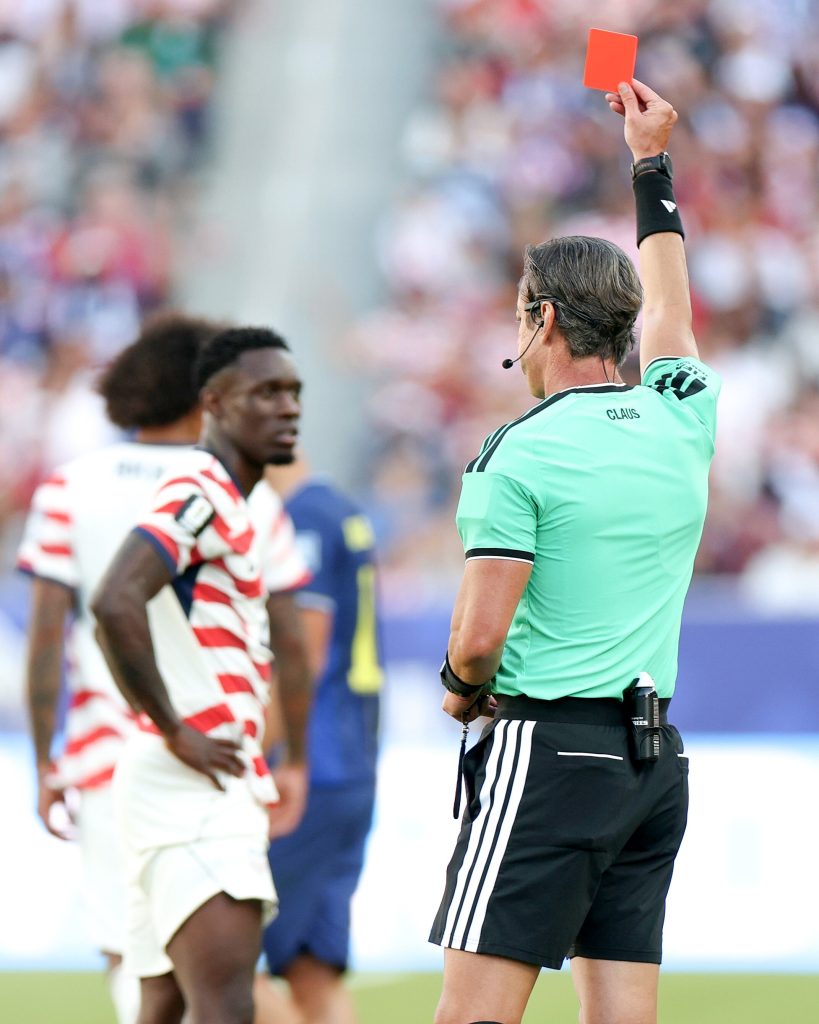
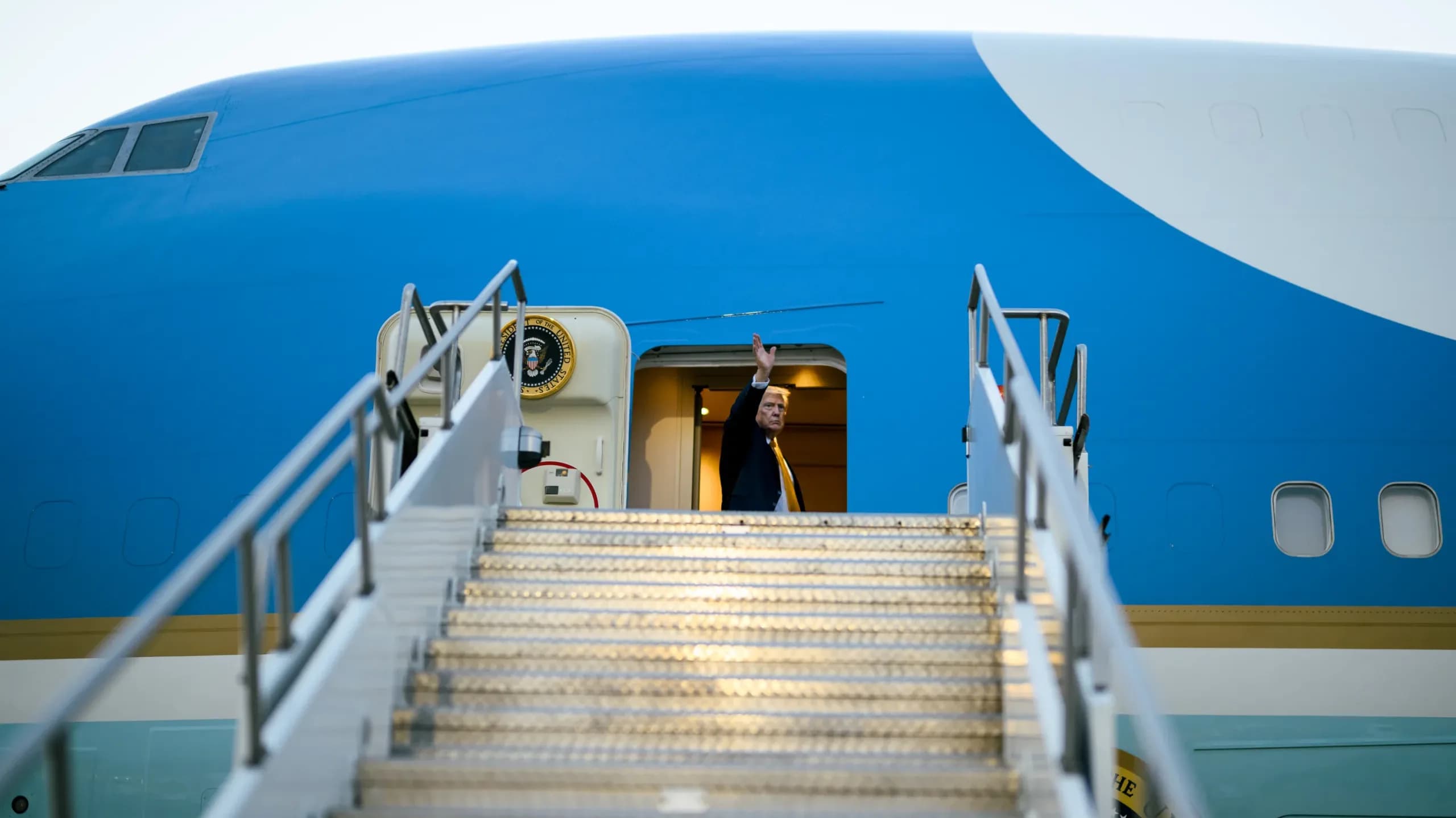
Hours later when US president Donald Trump stated that he asked FIFA president Gianni Infantino to reconsider the ruling, it was announced by FIFA that Balogun’s suspension has been put on hold according to Article 27 of the organisation.
Trump later said he had merely requested a review and had not directed FIFA to overturn the punishment.
What does FIFA Article 27 say?
Article 27 of the FIFA Disciplinary Code allows FIFA’s judicial bodies to fully or partially suspend the implementation of a disciplinary sanction.
Under the rule:
The punishment may be suspended fully or partially.
The player is placed on probation for one to four years.
If the player commits a similar offence during the probation period, the suspended punishment can be reactivated alongside any fresh sanction.
The provision cannot be applied in cases related to match manipulation.
In Balogun’s case, FIFA did not cancel the red card. Instead, it suspended the implementation of the automatic one-match ban and placed the striker on a one-year probation.
Why has the decision become controversial?
The controversy stems from the fact that FIFA World Cup regulations also state that a player sent off during the tournament must automatically serve a one-match suspension.
Belgium’s football federation argued that invoking Article 27 contradicted other provisions of FIFA’s disciplinary code and tournament regulations.
UEFA accused FIFA of crossing a “red line”, while former FIFA president Sepp Blatter questioned whether political influence had entered football’s disciplinary process.
Red cards are not overturned by political phone calls. They are overturned by rules, evidence and independent bodies. If a U.S. President intervenes with the FIFA President — and a player is suddenly cleared before a World Cup knockout match — the question is unavoidable: Quo…
— Joseph S Blatter (@SeppBlatter) July 6, 2026
Former England striker Ian Wright also criticised the decision, while Norway coach Ståle Solbakken warned that the ruling could create uncertainty over future disciplinary decisions.
England coach Thomas Tuchel questioned the grounds on which the decision was reversed after it had already been reviewed through VAR.
FIFA defends Article 27 decision
Responding to the criticism, FIFA’s Disciplinary Committee said Article 27 gives it discretionary powers to suspend sanctions provided they are unrelated to match manipulation.
The governing body maintained that nothing in its disciplinary code prevented the committee from exercising that discretion in Balogun’s case.
The president of FIFA, Gianni Infantino, also indicated that despite his phone conversation with Donald Trump, the matter concerning discipline was dealt with independently by FIFA’s judicial panels.
Ironically, Balogun’s return would not affect the result of the tournament as Belgium beat the US side 4-1 in the FIFA World Cup, knocking out the hosts.
FAQs
What is FIFA Article 27?
Article 27 grants FIFA’s judicial bodies the power to suspend the application of some disciplinary measures and put the player on probation, excluding those related to match-fixing.
Why did FIFA suspend Balogun’s ban?
FIFA applied Article 27 to suspend the execution of Balogun’s automatic one-match ban but still keep the red card in the system and put the player under a one-year probation.