





















The Income Tax Department has rolled out the Excel utilities for ITR-1, ITR-2, ITR-3 and ITR-4 for Assessment Year 2026-27, allowing taxpayers to prepare their returns offline before uploading them through the e-filing portal. The deadline for filing returns has been extended to August 31, 2026, giving taxpayers additional time to complete the process.
For ITR filing for senior citizens, understanding the applicable tax regime, rebate provisions and exemption rules is essential before submitting returns. Senior citizens can also choose between the old and new tax regimes, subject to the conditions prescribed under the Income Tax Act.
ITR filing for senior citizens: Tax slabs and rebate explained
Under the old tax regime, resident senior citizens aged between 60 and 80 years do not pay tax on income up to ₹3 lakh. Under the new tax regime, income up to ₹4 lakh remains tax-free, with revised slab rates applicable thereafter.
Super senior citizens aged 80 years and above continue to enjoy a higher exemption limit under the old regime, where income up to ₹5 lakh is exempt from tax.
For ITR filing for senior citizens, eligible resident taxpayers can also claim a rebate under Section 87A. Under the new regime, a rebate of up to ₹60,000 is available if taxable income does not exceed ₹12 lakh. Under the old regime, the rebate remains ₹12,500 for taxable income up to ₹5 lakh.
Also Read | Applying for a voter ID? Online Form 6 now asks about parents’ SIR status

Marginal relief and exemption provisions remain important
High-income taxpayers should also understand surcharge and marginal relief provisions while completing ITR filing for senior citizens.
Surcharge applies to incomes exceeding ₹50 lakh, with rates increasing depending on total taxable income. Marginal relief ensures that the additional tax payable due to surcharge does not exceed the increase in income beyond the prescribed threshold.
Certain super senior citizens aged 75 years and above may not be required to file returns under Section 194P if they satisfy specified conditions. These include being a resident, earning only pension and interest income from the same notified bank, and submitting the required declaration to that bank, which then deducts tax at source after considering eligible deductions and rebates.
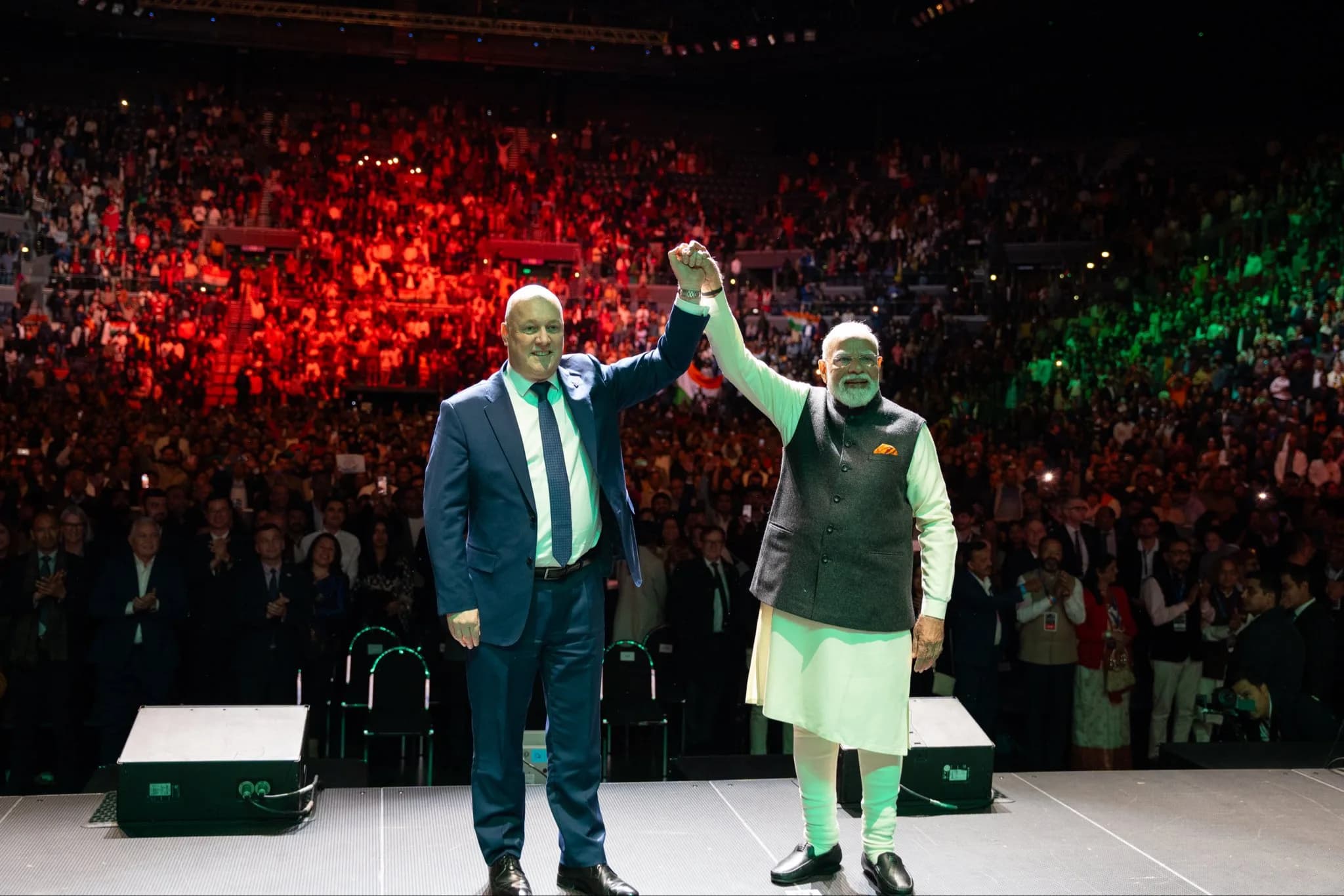
Also Read | ‘Today, this ‘waka’ of India and New Zealand is ready to embark on a new voyage’: PM Modi
Choosing the correct ITR form is equally important
Selecting the appropriate return form is another crucial aspect of ITR filing for senior citizens.
Most pensioners with income up to ₹50 lakh from pension, one house property and other eligible sources can use ITR-1 (Sahaj). Taxpayers with more complex income, including capital gains or multiple income sources, may have to use ITR-2 or ITR-3, while eligible taxpayers opting for presumptive taxation can file ITR-4 (Sugam).
Senior citizens should also carefully evaluate whether the old or new tax regime offers greater tax savings before filing returns. Since the new regime is the default option, those wishing to opt for the old regime must exercise the choice while filing, wherever permitted.
With the filing utilities now available and the deadline extended, ITR filing for senior citizens can be completed smoothly by reviewing tax slabs, rebate eligibility and the correct return form well in advance.