





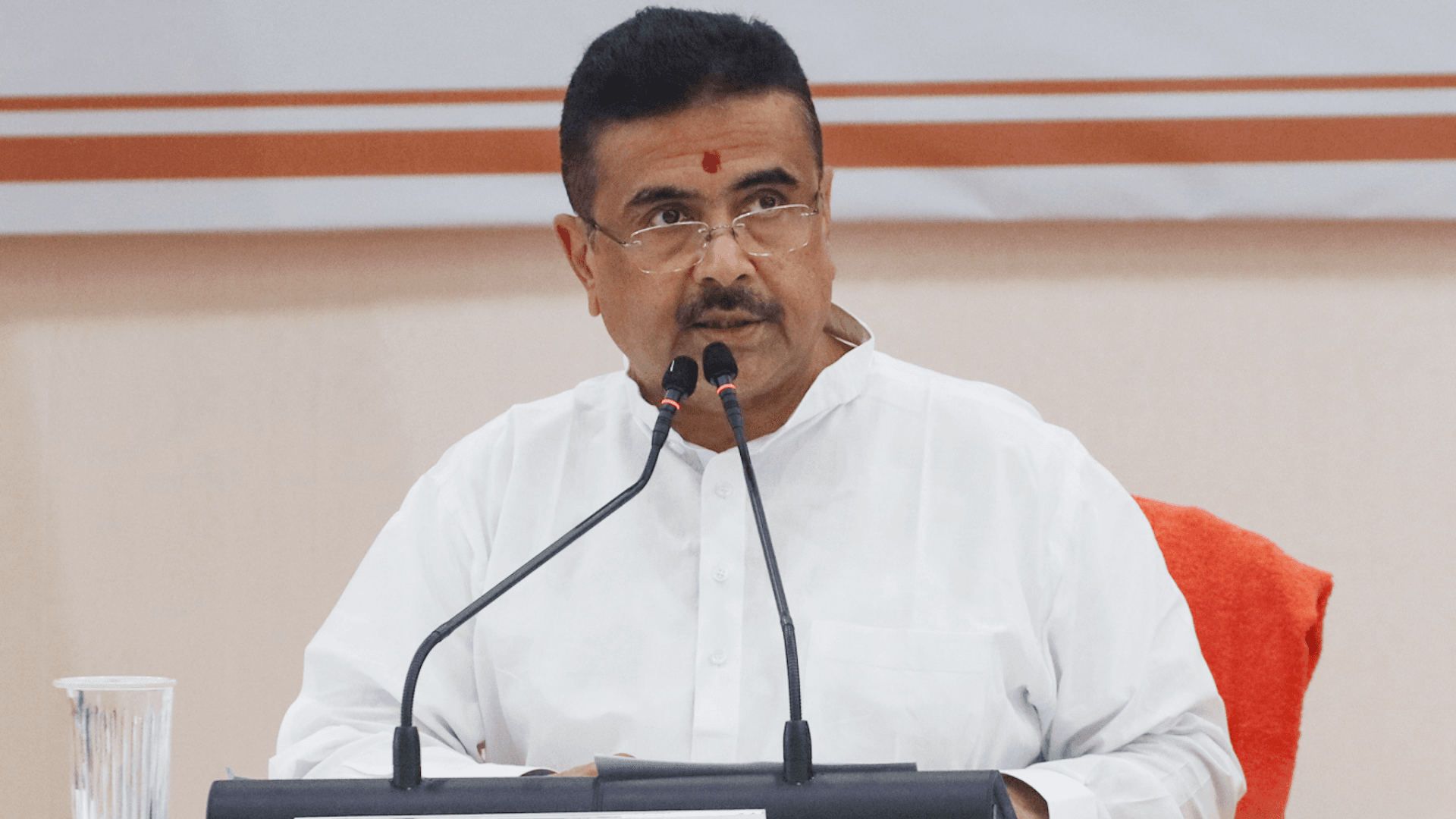









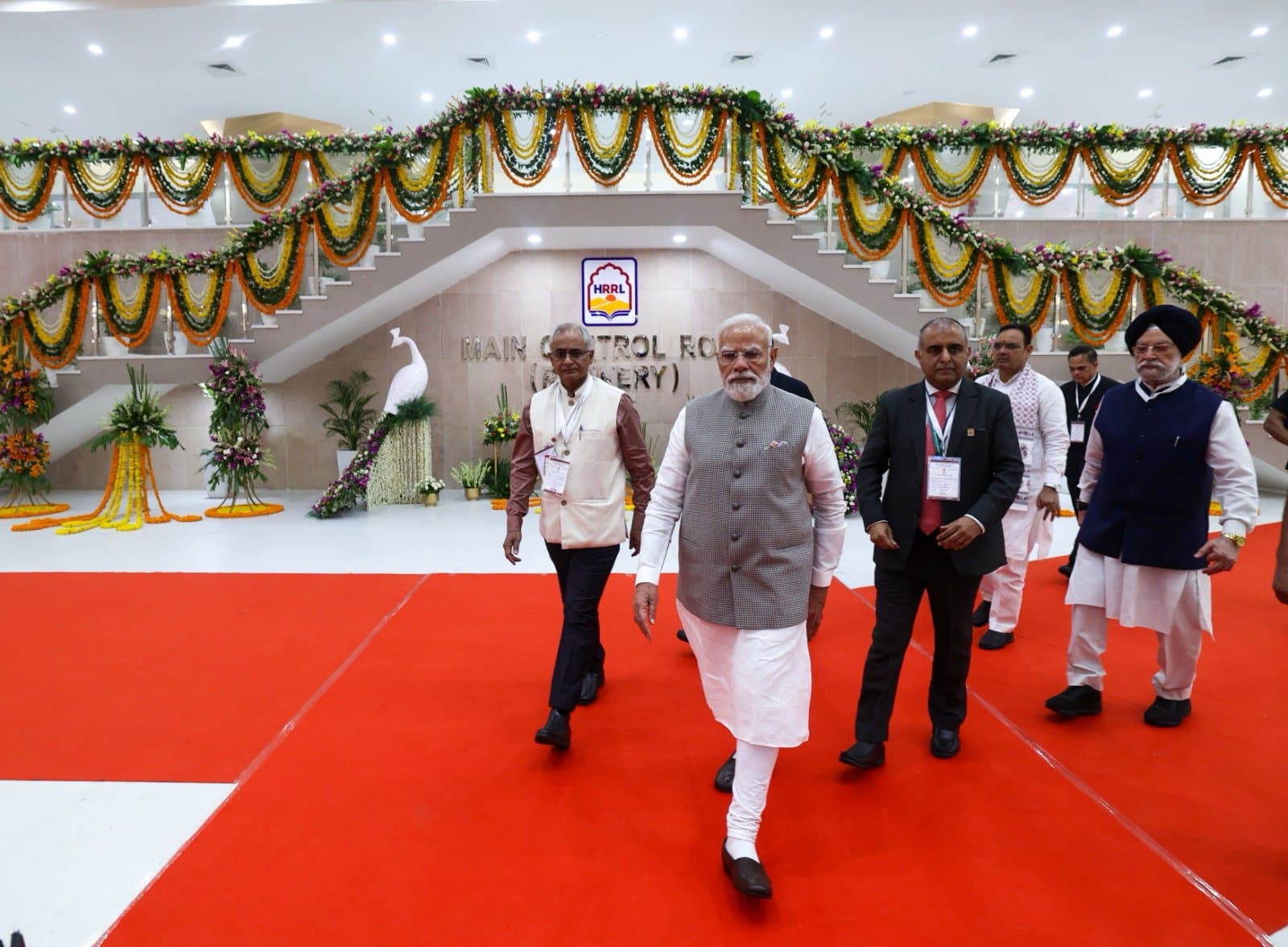
Prime Minister Narendra Modi on Saturday said India navigated one of the world’s biggest energy crises with “minimal burden on citizens” by widening fuel imports, using diplomacy and absorbing part of the price shock through government intervention.
He made the remarks after inaugurating the country’s first greenfield integrated refinery-cum-petrochemical complex in Pachpadra in Balotra district, Rajasthan, and laying the foundation stone for multiple development projects.
Also Read | US warns Poland of possible Russian border incursion to ‘test NATO’ amid Ukraine war
Due to the conflict in West Asia, the world witnessed the biggest energy crisis of the 21st century. Today, many major countries continue to grapple with fuel shortages.
— PIB India (@PIB_India) July 4, 2026
However, the resolve and determined efforts of the new India of the 21st century have overcome the biggest… pic.twitter.com/oZRTm2M8tD
The diplomatic hand steadies the helm
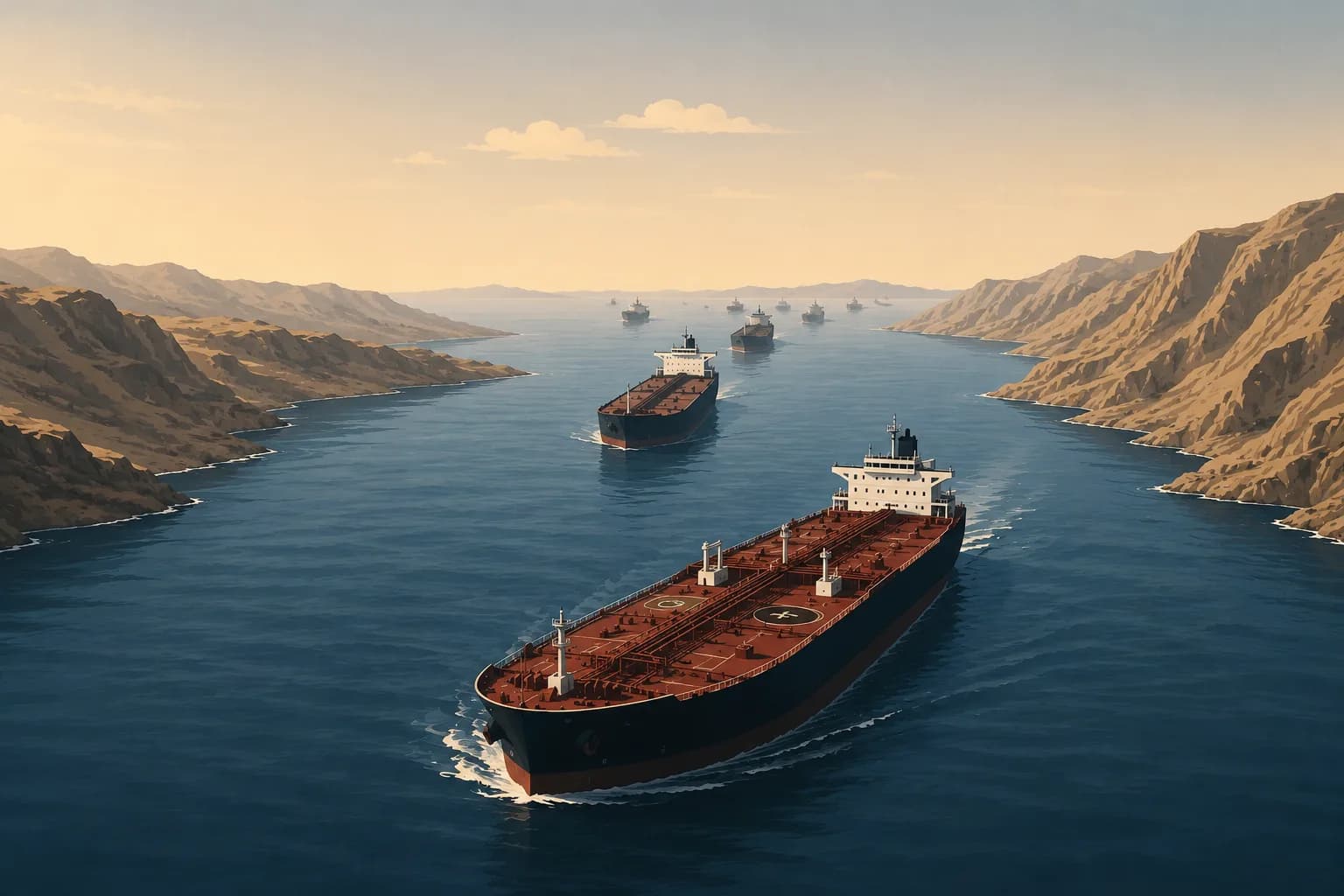
Modi said the crisis had forced India to rethink its sourcing strategy and lean on diplomatic channels to secure supplies.
“When the crisis began, India was importing energy from about 25-26 countries. During the crisis, we increased this to more than 40 countries,” he said, crediting the shift to India’s diplomacy.
He was referring to the West Asia conflict, which disrupted trade routes and pushed up global energy costs.
#WATCH | Barmer: Prime Minister Narendra Modi will inaugurate Rajasthan's first refinery-cum-petrochemical complex at Pachpadra in Barmer district on July 4 (Saturday)
— ANI (@ANI) July 3, 2026
The project, whose construction began in 2018, has been completed and is ready for commercial production. It is… pic.twitter.com/BEulZQmPXa
A costly storm, a measured response
The prime minister also said state oil companies suffered heavy losses as international prices climbed. Oil marketing firms incurred losses of over ₹75,000 crore between April and June.
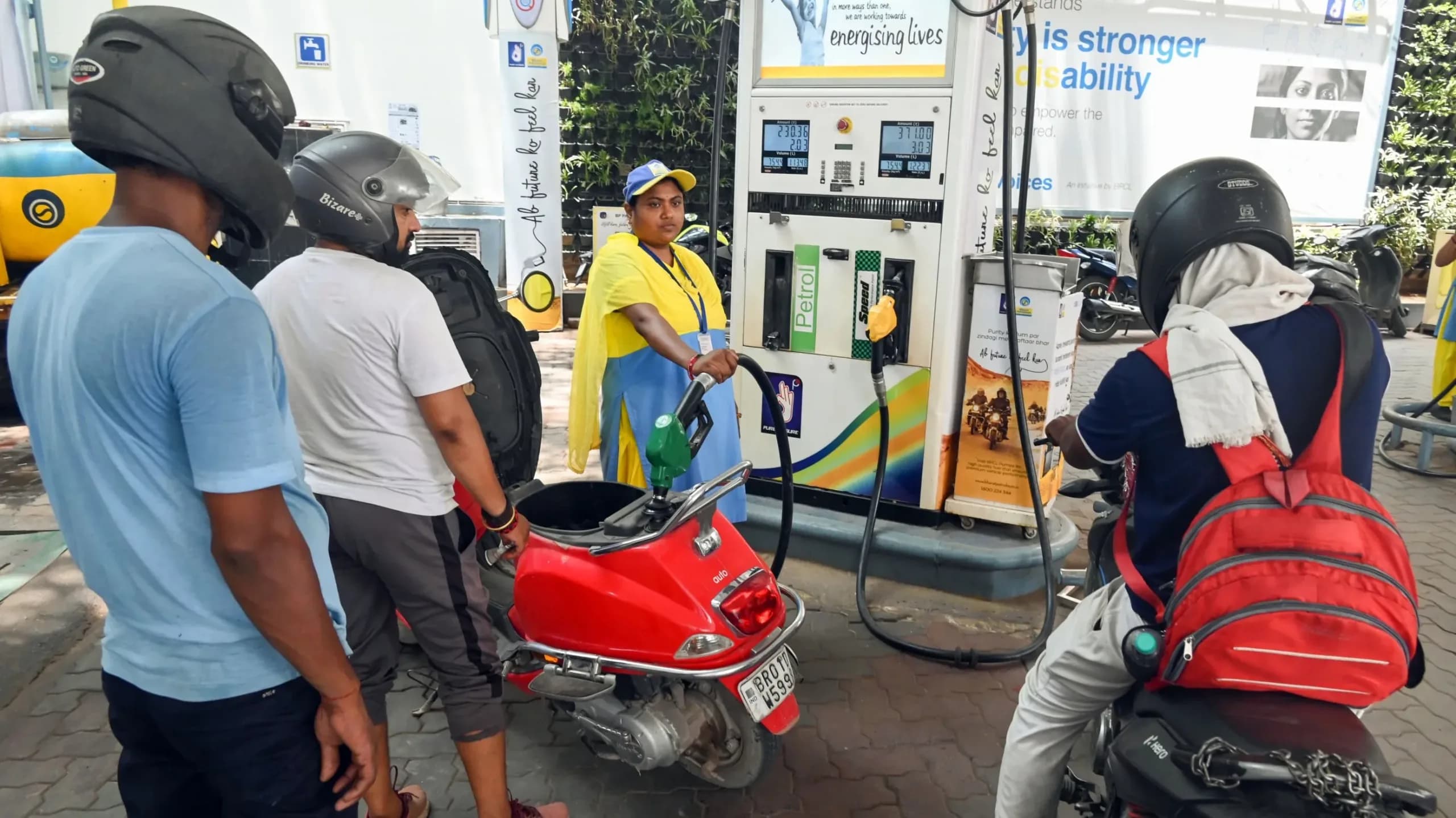
Modi said the government stepped in to soften the blow for consumers by cutting excise duty by ₹10 per litre. “We reduced excise duty by ₹10 per litre and ensured that the burden on citizens did not increase significantly,” he said.
He used the address to argue that India had handled the disruption without facing shortages or rationing. “Those who wished to see India fail had even begun making predictions. Today, they must be wallowing in the depths of despair,” he noted.
Modi also said India had become the world’s fourth-largest refining capacity holder and was continuing to expand. He framed the refinery project and the energy response as part of a broader push for self-reliance, saying that national self-respect remained high only when a country was self-reliant.
Inaugurated the integrated refinery-cum-petrochemical Complex, the HPCL Rajasthan Refinery at Pachpadra today. This landmark project will strengthen India’s energy security, boost domestic manufacturing, generate employment and accelerate economic transformation. It is another… pic.twitter.com/zWuYok3rvZ
— Narendra Modi (@narendramodi) July 4, 2026
A refinery years in the making
The Pachpadra project is Rajasthan’s first refinery of any kind, and Modi inaugurated it by pressing a remote button after touring the complex.
The prime minister also said work on the refinery had remained “virtually at a standstill” when Congress was in power in Rajasthan from 2018 to 2023.
Also Read | EPFO moves UAN activation to UMANG app in major digital overhaul
FAQs
Q1: How did India manage the recent global energy crisis, according to PM Modi?
Ans: According to PM Modi, India diversified its energy imports, relied on diplomacy and reduced excise duty to cushion citizens from rising global fuel prices.
Q2: Why did PM Modi mention importing energy from over 40 countries?
Ans: PM Modi said expanding India’s energy sourcing from around 25–26 countries to more than 40 helped ensure stable fuel supplies during the crisis.