
















The United States has launched a fresh wave of military strikes on Iranian targets, marking its biggest offensive since the April ceasefire. The operation comes after renewed attacks on commercial ships in the Strait of Hormuz and follows Washington’s decision to revoke a temporary sanctions waiver for Iranian oil.
According to US officials cited by multiple media reports, the latest operation was significantly larger than the retaliatory strikes carried out in late June, targeting more than 80 locations linked to Iran’s military capabilities.
Over 80 targets hit in expanded operation
A US official told Axios that the latest offensive was “four or five times bigger in scope and power” than the previous strikes. The official also said the attacks could continue for several more hours.
Also Read | US resumes strikes on Iran, withdraws oil sanctions waiver with immediate effect
The US Central Command (CENTCOM) confirmed that American forces struck more than 80 targets using precision-guided munitions. According to the military, the targets included Iranian air defence systems, command and control networks, coastal radar installations, anti-ship missile sites and more than 60 small boats belonging to the Islamic Revolutionary Guard Corps operating near the Strait of Hormuz.
In a statement, CENTCOM said, “US forces struck Iranian air defense systems, command and control networks, coastal radar sites, anti-ship missile capabilities, and more than 60 Islamic Revolutionary Guard Corps small boats in and near the strait to degrade Iran’s ability to continue attacking international commerce flowing through the international trade corridor.”
— U.S. Central Command (@CENTCOM) July 8, 2026
Explosions were reported in Bandar Abbas, Sirik and Qeshm Island, with regional media reporting multiple blasts across the southern Iranian coast.
US links strikes to attacks on commercial shipping
The latest military action follows attacks on three commercial vessels near the Strait of Hormuz. While one tanker caught fire off the coast of Oman, the other two reportedly sustained limited damage and continued their voyages.
A US official said the latest strikes were ordered after Iran continued attacks despite previous warnings. “This response is a direct result of the acts of international terrorism that have been perpetrated by Iran on innocent ships transiting the Straight of Hormuz. The Iranians know the consequences to their ridiculous actions, yet they still chose to carry out these attacks,” the official said.
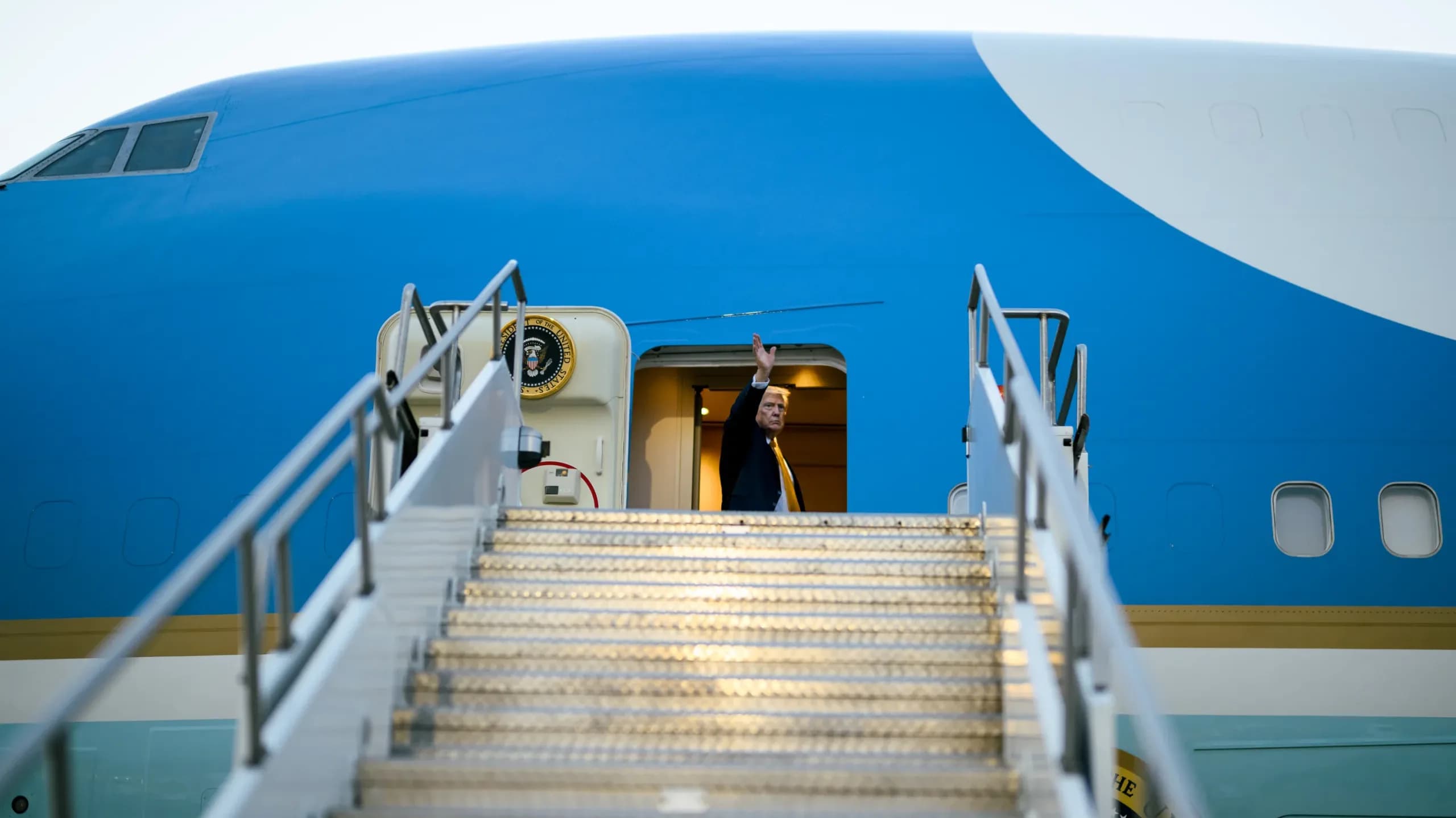
According to Axios, US President Donald Trump approved the strike plan while attending this week’s NATO summit in Turkey.
Iran condemns attack, vows retaliation
Iran strongly condemned the US operation, calling it a violation of the memorandum of understanding reached between the two countries after the earlier ceasefire.
The Khatam-al-Anbiya Central Headquarters described the strikes as a “blatant act of aggression” and warned that Iranian forces would deliver a “crushing response”.
Statement by the Ministry of Foreign Affairs of the Islamic Republic of Iran on the United States' Explicit Violation of Article 10 of the Islamabad Memorandum of Understanding
— Iran in India (@Iran_in_India) July 7, 2026
July 8, 2026
(Unofficial Translation)
The Ministry of Foreign Affairs of the Islamic Republic of Iran… pic.twitter.com/IaON7Cv65K
The military also said, “It is reiterated that the only safe passage for commercial ships and oil tankers through the Strait of Hormuz is the route designated by the Islamic Republic of Iran.”
Also Read | Lawrence Bishnoi among 37 charged as US, Canada and Europe arrest 24 over India-linked crime network
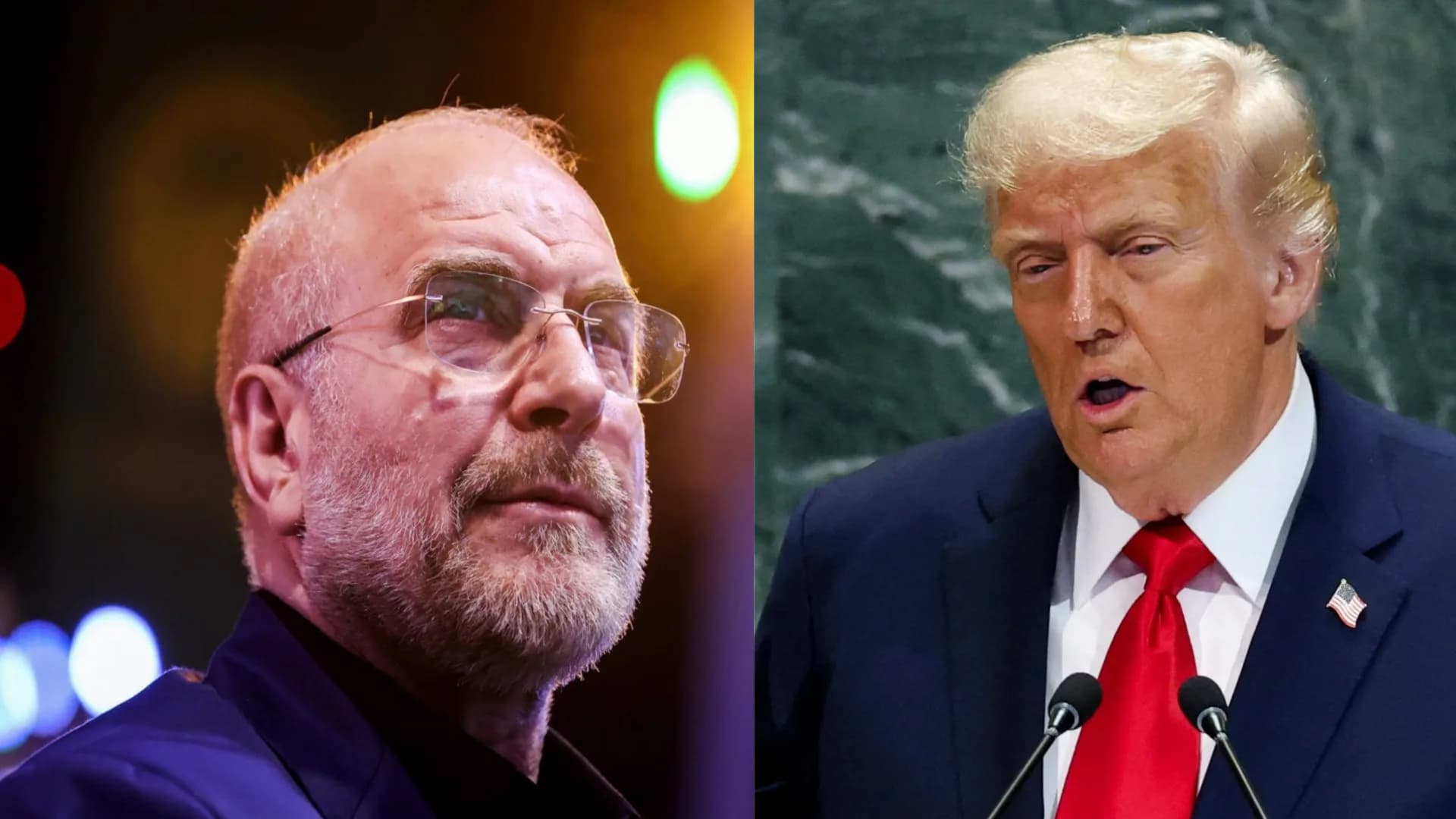
Parliament Speaker Mohammad Bagher Ghalibaf also criticised Washington’s actions, writing on X, “Major MOU Violations by the US: Violating Iranian adjustments in the Strait. Persistent threats of further strikes. Reinstating oil sanctions. Attacks on southern Iran. Continued Zionist aggression on Lebanon. The era of bullying and extortion is over. It leads nowhere. We don’t fold.”
Major MOU Violations by the US:
— محمدباقر قالیباف | MB Ghalibaf (@mb_ghalibaf) July 8, 2026
Violating Iranian adjustments in the Strait
Persistent threats of further strikes
Reinstating oil sanctions
Attacks on southern Iran
Continued Zionist aggression on🇱🇧
The era of bullying and extortion is over. It leads nowhere. We don’t fold.
Iran’s Deputy Foreign Minister Kazem Gharibabadi also described the strikes as a breach of the MoU, while the Foreign Ministry said “the US government bears responsibility for the consequences of this breach of commitment.”
Talks remain on hold
The escalation comes as diplomatic engagement between Washington and Tehran remains stalled. Reports said discussions between the two sides are unlikely to resume until after the burial ceremonies of former Supreme Leader Ali Khamenei.
Meanwhile, Iranian President Masoud Pezeshkian has returned to Tehran from Iraq following the latest US strikes, cutting short his visit during the funeral ceremonies. Burial rites for Khamenei are expected to conclude on July 9 in Mashhad.
FAQs:
Why did the US launch fresh strikes on Iran?
The US said the strikes were in response to renewed Iranian attacks on commercial ships in the Strait of Hormuz.
How has Iran responded to the latest US strikes?
Iran condemned the attacks as a breach of the MoU and warned that its armed forces would deliver a “crushing response”.