
















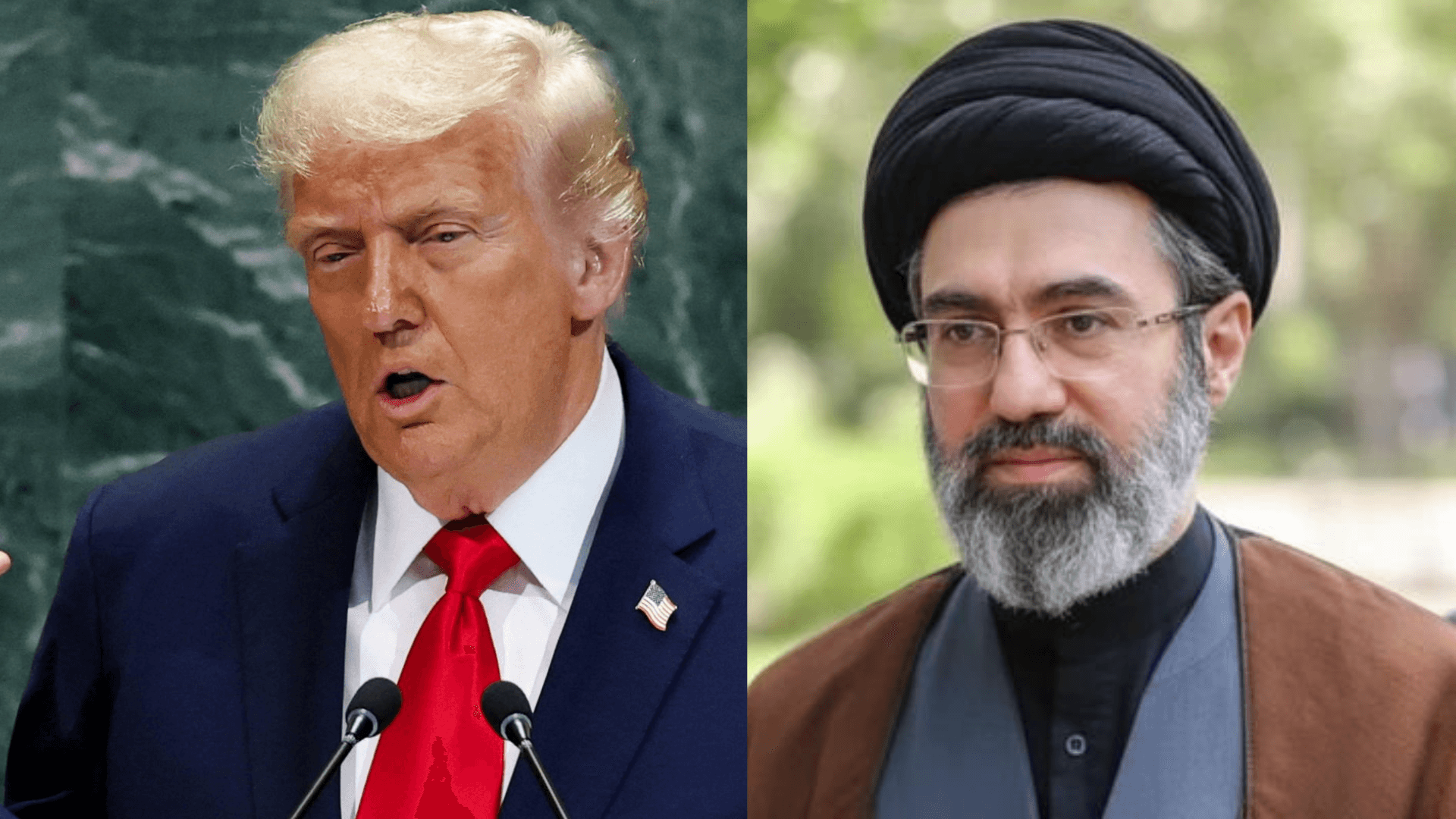
Qatar has described the latest round of indirect technical talks between the United States and Iran in Doha as making “positive progress,” even as tensions remained high over the Strait of Hormuz and the broader implementation of the memorandum of understanding signed on June 17.
The discussions related to the deal’s implementation and followed a period of renewed friction between the two sides.
Also Read | Spain gets 1.17 million applications for migrant legal status as Europe hardens immigration stance
UPDATE: US–Iran Talks in Doha End Without Major Breakthrough
The latest round of indirect U.S.–Iran talks in Doha concluded with no major breakthrough, but both sides agreed to continue negotiations.
Key discussion points included:
– Freedom of navigation in the Strait of… pic.twitter.com/5KzAQPSMa9— Netram Defence Review (@NetramDefence) July 2, 2026
The waters grow no calmer, alas
Iran’s military headquarters warned that any US interference in the Strait of Hormuz would be met with a “decisive and swift response.” That warning underlined how maritime security has become one of the central flashpoints in the talks, with both sides continuing to trade accusations over the waterway and over the pace at which the agreement is being carried out.
The Doha discussions come against the backdrop of a rapidly evolving diplomatic track that has been ongoing since mid-June. On June 17, the United States and Iran had electronically signed a memorandum of understanding to extend their ceasefire and reopen the Strait of Hormuz.
The Iranian foreign ministry spokesperson, Esmaeil Baghaei, said at the time that the agreement had been finalized and signed.
Conflicting scripts from opposite shores
On June 30 Al Jazeera said the US side had claimed that American negotiators would meet Iranian officials in Doha, but Tehran denied that any planned meeting with the United States was on the calendar.
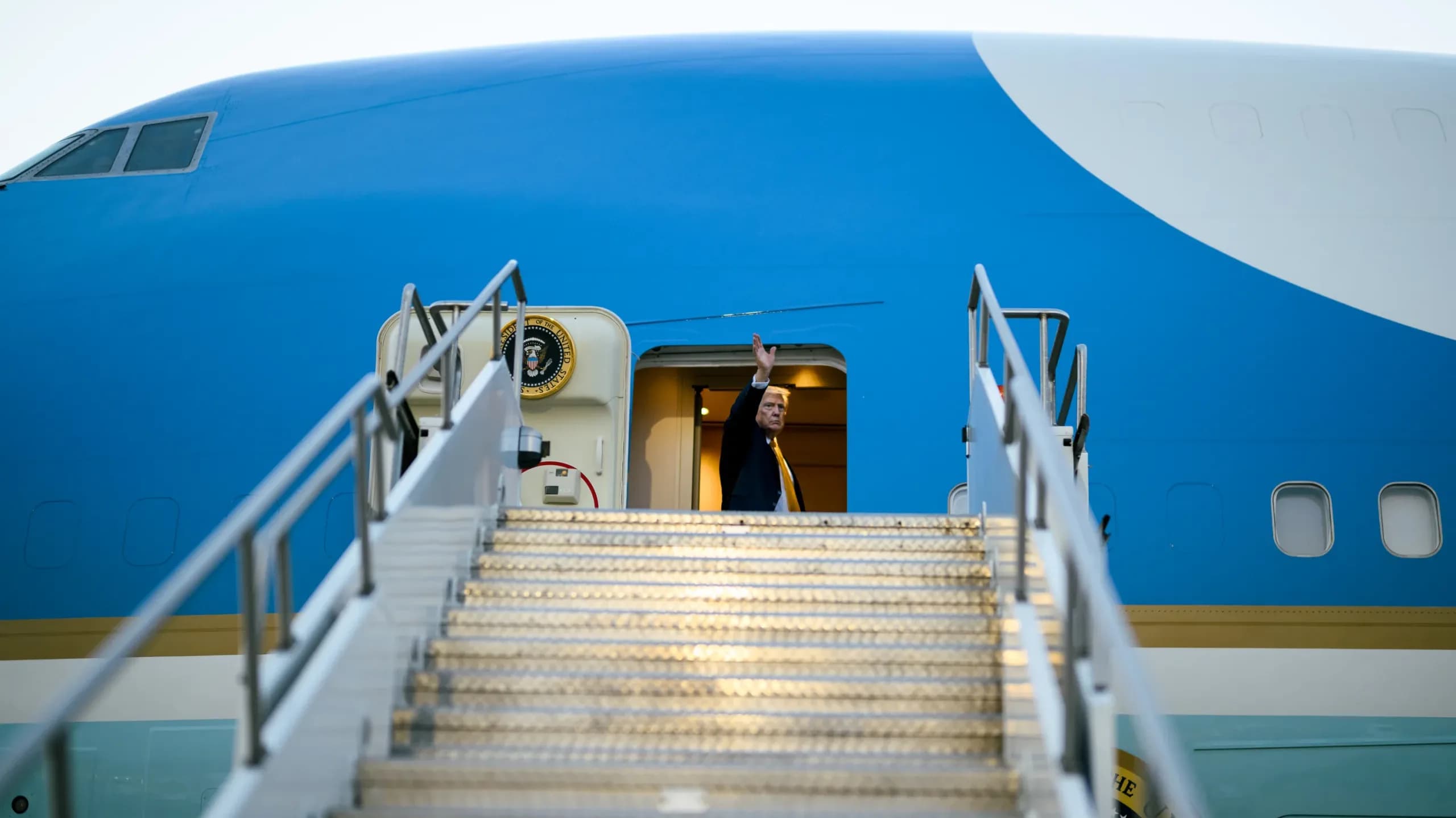
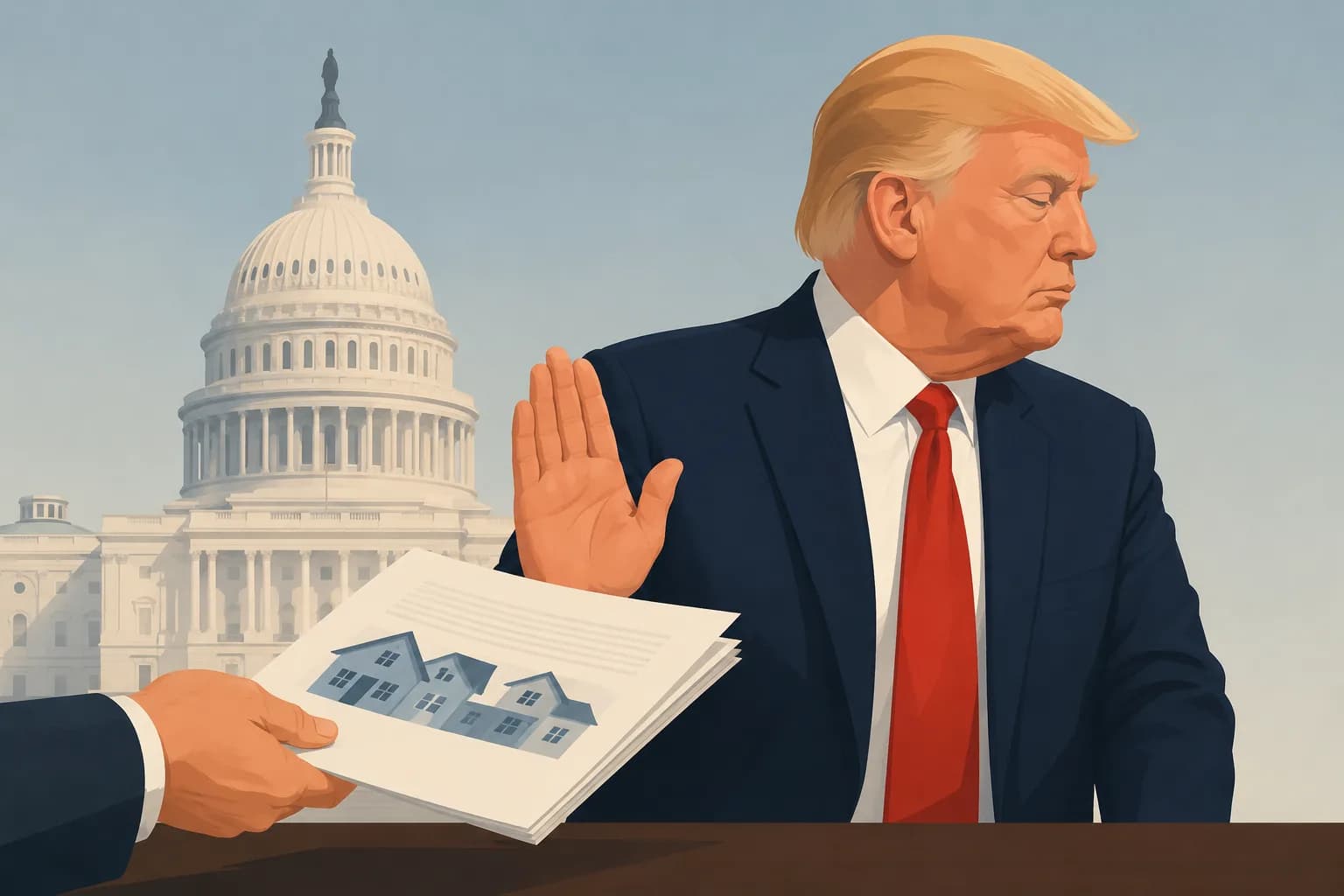
At that time, President Donald Trump said, “IRAN HAS REQUESTED A MEETING. IT WILL TAKE PLACE TOMORROW IN DOHA!” He also told reporters that the “meeting in Doha is going to be perhaps important, perhaps not,” while later insisting, “We’re winning militarily. It’s almost won militarily, I would say. And it’s really very simple. It’s the denuclearization of Iran.”
⚠️ IRAN DENIES PLANNED U.S. MEETING AS DOHA TALKS CONTINUE WHILE HORMUZ TENSIONS RISE AND PRESIDENT TRUMP KEEPS MILITARY OPTIONS ON THE TABLE
🔸 IRAN DENIES PLANNED U.S. MEETING AS DOHA TALKS CONTINUE: Iranian Foreign Ministry spokesman Esmail Baghaei said, “We had not planned… pic.twitter.com/Zrdwzb5OTk— Israel Realtime (@IsraelRealtime) July 1, 2026
The diplomatic dance continues
Iran, however, publicly pushed back on the idea of direct talks. Baghaei said Tehran’s “current priority is to ensure the implementation” of the memorandum of understanding with Washington, adding: “We will not have any negotiation meetings at any level with the American side in the coming days. And the fact that American representatives are traveling to Qatar has nothing to do with the Iranian delegation’s trip.”
Al Jazeera reported that the Iranian team was instead heading to Doha to follow up on frozen assets linked to the agreement.
A hopeful note, though clouds still linger
For now, the latest public signal from Doha is limited to Qatar’s assessment that the technical discussions showed “positive progress.”
But with Tehran warning against any US “miscalculation” and the status of the Hormuz route still at the heart of the dispute, the talks remain fragile and heavily dependent on how both sides interpret the June 17 framework in the days ahead.
Also Read | Friedrich Merz rolls out Germany’s biggest reform push with tax cuts and pension overhaul
FAQs
Q1: Why are the US and Iran holding talks in Doha?
Ans: The Doha talks are focused on implementing the June 17 memorandum of understanding, including issues related to the Strait of Hormuz and frozen Iranian assets.
Q2: What did Qatar say about the latest US-Iran talks?
Ans: Qatar said the latest round of indirect technical talks between the United States and Iran made “positive progress.”