




















The Donald Trump administration has withdrawn, with immediate effect, a sanctions waiver that had temporarily allowed countries to purchase Iranian energy without facing US penalties. The move coincided with the resumption of US military strikes on Iran, marking a sharp escalation just weeks after both sides agreed to halt hostilities under a Memorandum of Understanding (MoU).
The waiver, issued in late June, was originally meant to remain valid until August 21.
Statement by the Ministry of Foreign Affairs of the Islamic Republic of Iran on the United States' Explicit Violation of Article 10 of the Islamabad Memorandum of Understanding
— Iran in India (@Iran_in_India) July 7, 2026
July 8, 2026
(Unofficial Translation)
The Ministry of Foreign Affairs of the Islamic Republic of Iran… pic.twitter.com/IaON7Cv65K
US links waiver revocation to Iran’s actions
Announcing the decision, the administration said the benefits offered under the MoU depended entirely on Iran’s conduct.
Also Read | As Iran mourns Khamenei, Trump says US will ‘make a deal or finish the job’
“As President Trump and the administration have repeatedly affirmed, the MoU in effect with Iran is entirely performance-based. Iran will only reap benefits if they exhibit good behaviour,” a US official was quoted as saying by Hindustan Times while announcing the revocation of the general license.
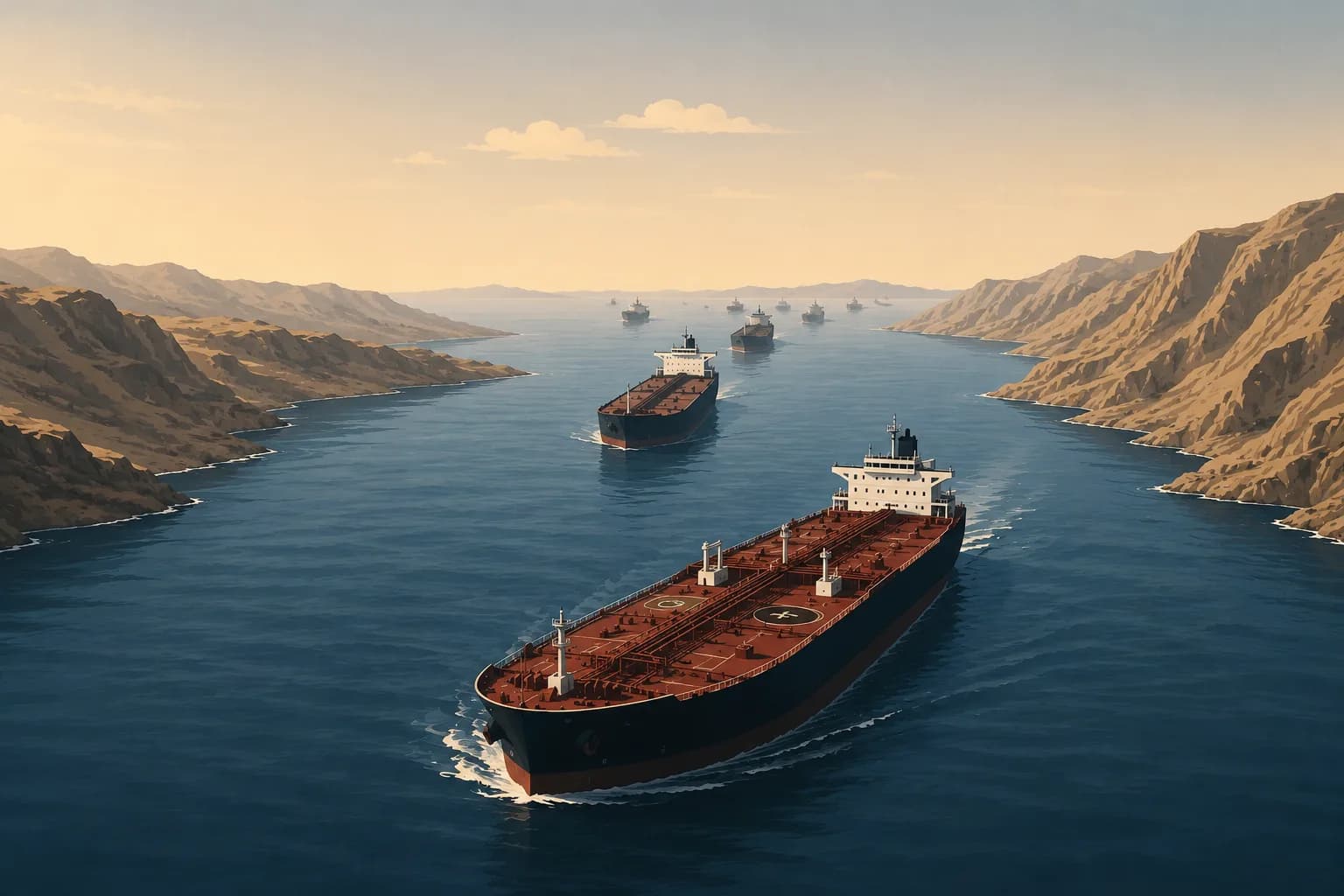
The rollback of the waiver came on the same day US forces resumed military operations against Iran, following attacks on commercial vessels passing through the Strait of Hormuz.
US launches fresh strikes
The US military said the strikes were carried out in response to Iran targeting three commercial ships navigating the strategic waterway.
“US Central Command forces have begun launching a series of powerful strikes against Iran to impose heavy costs for targeting and attacking commercial shipping crewed by innocent civilians in an international waterway. The US strikes are in response to Iranian attacks on three commercial vessels that were transiting the Strait of Hormuz. Iran’s demonstrated aggression was unwarranted, dangerous, and a clear violation of the ceasefire,” the command said in a post on X.
U.S. Central Command forces have begun launching a series of powerful strikes against Iran to impose heavy costs for targeting and attacking commercial shipping crewed by innocent civilians in an international waterway. The U.S. strikes are in response to Iranian attacks on three…
— U.S. Central Command (@CENTCOM) July 7, 2026
Among the vessels reportedly targeted was the Qatari ship Al-Rekayyat, which was carrying energy supplies to India.
Why the waiver mattered for India
The now-revoked waiver was expected to benefit countries such as India, which had significant energy imports from Iran before US sanctions took effect.
“Iranian crude made up about 10.5% of India’s total crude oil imports in 2018. And historically, Iranian crude sellers have given a longer credit period of 60 to 90 days as against 30 by other crude producers. Also, it is obviously geographically more proximate than a country like Venezuela. So Indian refiners would benefit because of these reasons. Iranian energy is well suited for purchases by India,” Prashant Vashisht, senior vice president at ICRA, had told HT when the general license was announced.
Also Read | Washington becomes world’s most polluted major city after Freedom 250 fireworks
He had also said, “Crude oil is in short supply. Around 10-11 million barrels of oil a day were stuck in the Strait of Hormuz. As per the International Energy Agency, 4 million barrels per day has been made up by strategic reserves being allowed to flow into the market. I think India would be buying a lot of crude wherever it can get it.”
Earlier this year, the Trump administration had issued two 30-day licences allowing purchases of previously sanctioned Russian and Iranian energy. While similar relief for Russian energy continued, the waiver covering Iranian energy was not renewed after it expired in April.
FAQs:
Why did the US revoke the Iran oil sanctions waiver?
The US said Iran violated the ceasefire by attacking commercial vessels in the Strait of Hormuz.
How could the waiver’s revocation affect India?
India may lose easier access to Iranian crude, which was considered cost-effective and geographically closer.