
























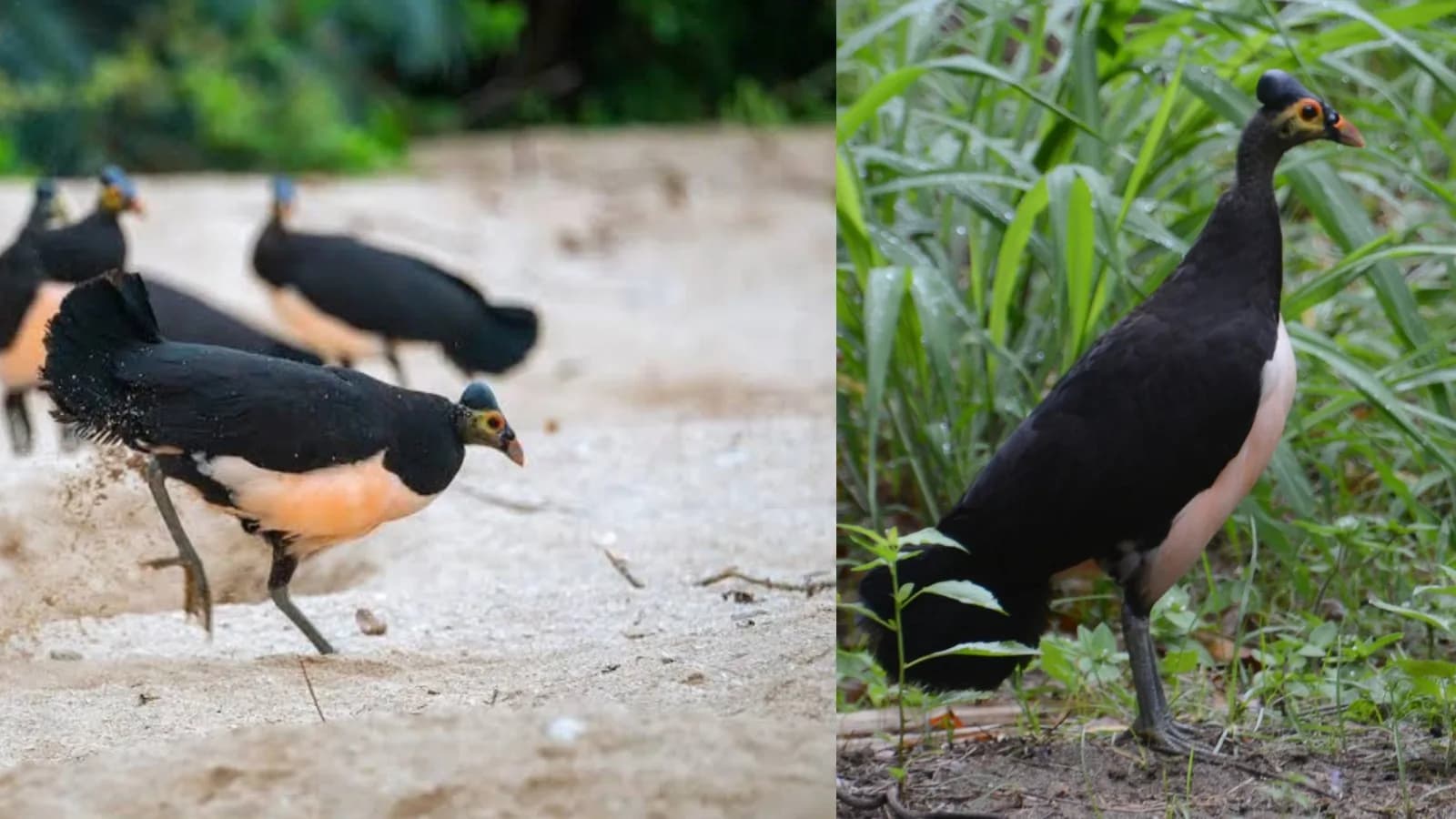
The natural world is full of fascinating survival strategies, but few are as extraordinary as that of the Maleo. Found only on Indonesia’s Sulawesi island, this endangered bird has abandoned the traditional nest-building approach followed by most birds. Instead, it relies on the Earth’s geothermal heat to incubate its eggs, making volcanoes an essential part of its life cycle.
Unlike other birds that spend days or even weeks warming their eggs, the Maleo buries its eggs in naturally heated volcanic soil and leaves nature to take care of the rest.
A volcano becomes a natural incubator
The Maleo breeds in areas where geothermal activity naturally warms the ground. During the breeding season, pairs travel to specific volcanic nesting sites, where they dig pits nearly one metre deep into the hot sand or soil.
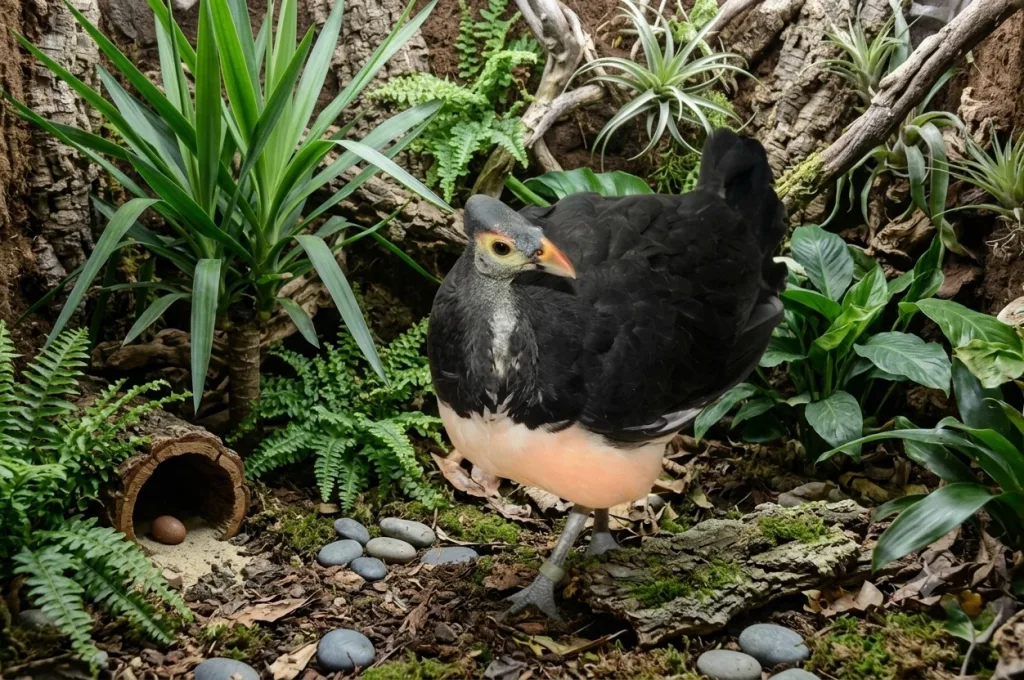
The female lays a single egg inside the pit before both parents carefully cover it and leave. The constant underground heat generated by volcanic activity provides the perfect temperature for incubation until the chick is ready to hatch.
One of the largest eggs in the bird world
The Maleo lays one of the largest eggs relative to its body size. Each egg weighs around 240 to 270 grams, roughly five times heavier than a typical chicken egg.
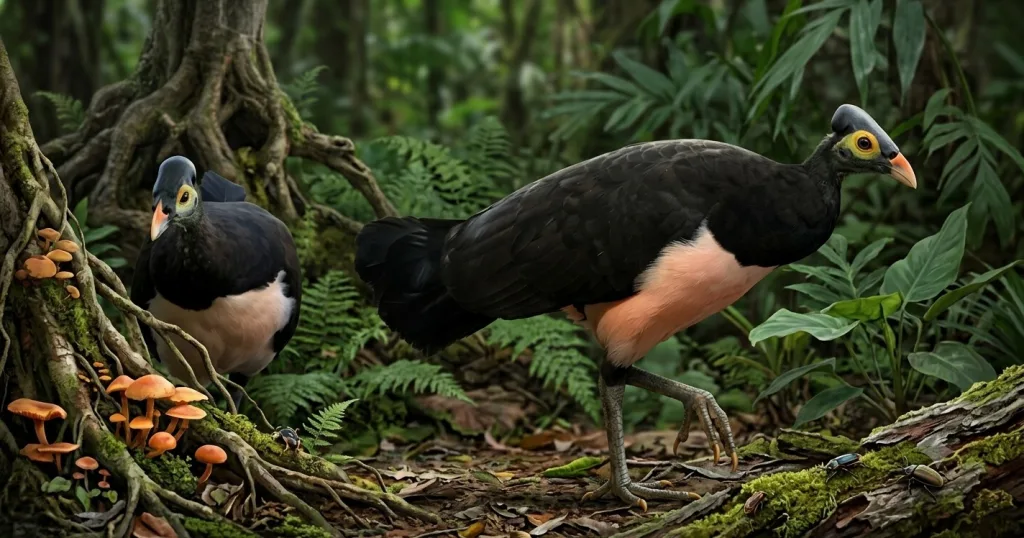
These nutrient-rich eggs provide enough energy for the developing chick to grow completely without any parental assistance after hatching.
Chicks survive without parental care
One of the most remarkable aspects of the Maleo’s life cycle is its chicks’ independence.
Also Read | Feeling dizzy in the car? A doctor reveals what’s really happening
After hatching underground, the young bird digs its own way to the surface without any help. Within hours, it can walk, run and fend for itself, making the Maleo one of the few bird species whose chicks receive no parental care after birth.
Why the Maleo is endangered
While this unique breeding strategy has helped the species survive for thousands of years, it has also made the Maleo vulnerable.
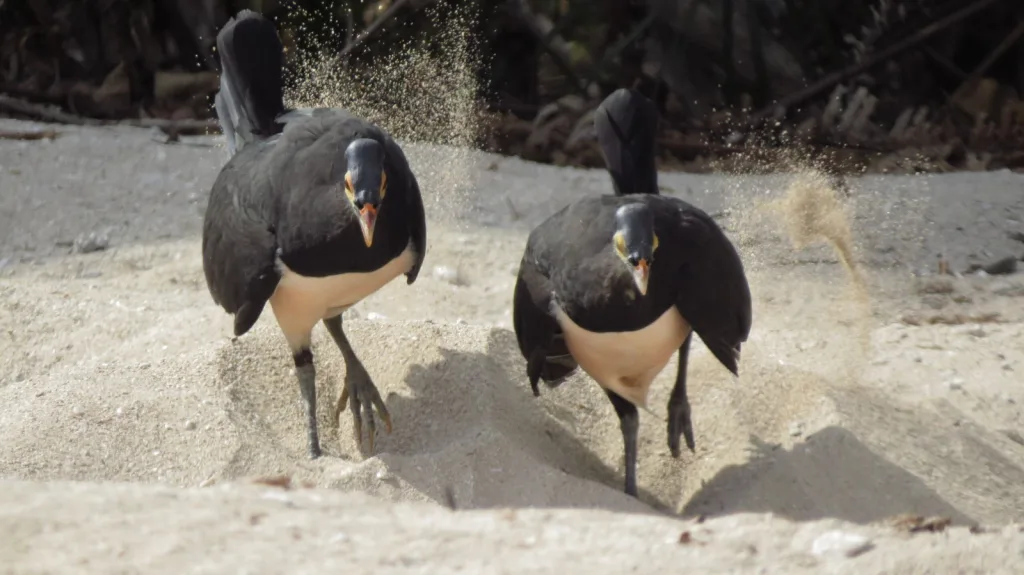
Because the birds depend on a limited number of geothermal nesting sites, habitat destruction, forest loss, human disturbance and illegal egg collection have significantly reduced their population. The species is now classified as Endangered, highlighting the urgent need to protect its nesting grounds.
Also Read | Forget bucket lists: Gen Z’s new travel trends are all about feelings
A remarkable example of nature’s ingenuity
The Maleo remains one of the world’s most unusual birds, using the Earth’s natural geothermal energy as a giant incubator instead of building nests. Its extraordinary breeding behaviour is a reminder of how wildlife has evolved unique ways to survive, and why protecting these rare species is more important than ever.
FAQs
Where is the Maleo bird found?
The Maleo is found only on Indonesia’s Sulawesi island, making it an endemic species.
Why does the Maleo bury its eggs near volcanoes?
It uses geothermal heat from volcanic soil to naturally incubate its eggs instead of sitting on them.