












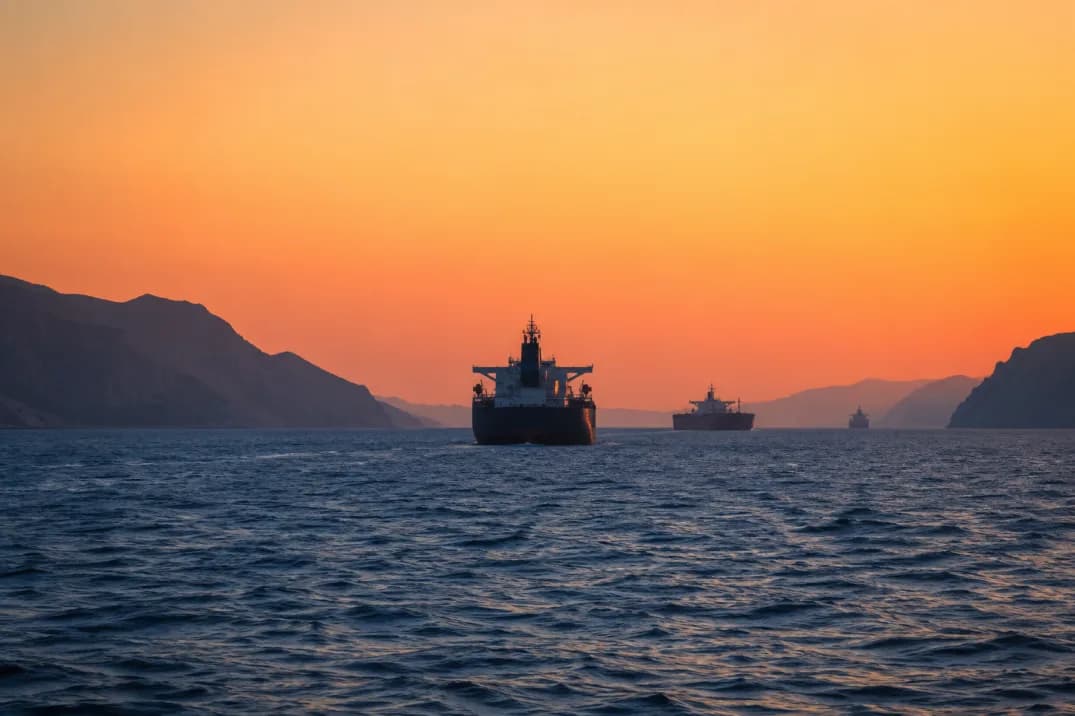









The confrontation between the United States and Iran escalated sharply on Sunday, with Washington launching a new wave of strikes on Iran’s southern coast and Tehran responding with a declaration that the Strait of Hormuz had been closed “until further notice.”
The strikes were reported near Bushehr, Asalouyeh, Bandar Abbas, Bandar-e Dayyer, and Sirik, while explosions were also reported near Qeshm Island, a key point along the strategically vital shipping lane.
Iranian state media said the blasts followed US attacks on military and coastal infrastructure and later reported one person killed and two injured in the Qeshm area.
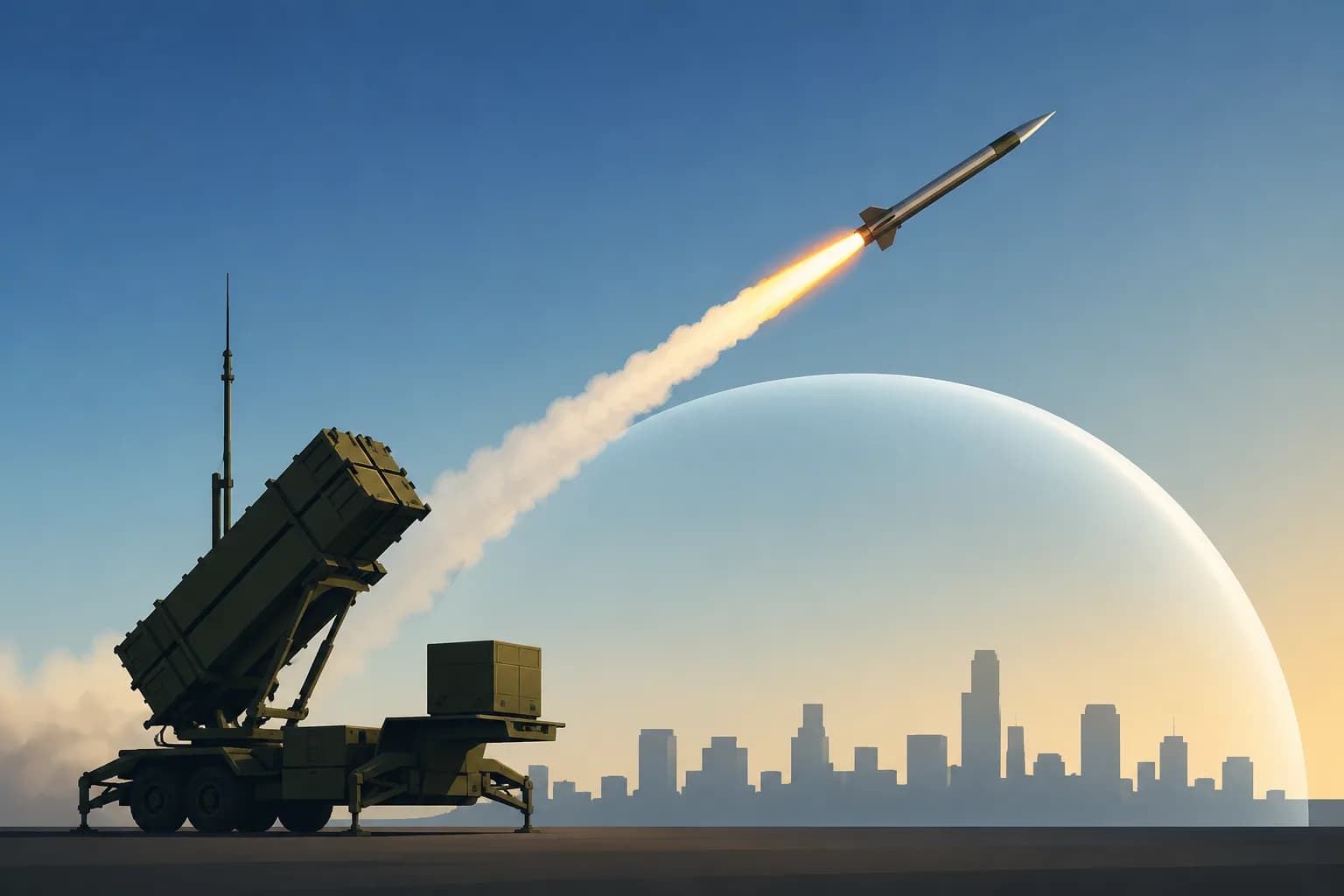
Also Read | Trump’s Patriot promise puts focus on the world’s most sought-after air defence system
BREAKING: IRAN’S PERSIAN GULF STRAIT AUTHORITY:
— Sulaiman Ahmed (@ShaykhSulaiman) July 12, 2026
“We hereby inform all esteemed applicants, Due to the recent illegal movements of the United States military forces in the region, passage through the Strait of Hormuz is currently not possible.
As soon as stability and calm are… pic.twitter.com/5ESbAz02n4
A perilous wager at sea
The IRGC said no vessels would be allowed to pass through the Strait of Hormuz until what it described as foreign interference came to an end.
Iran’s newly created Persian Gulf Strait Authority went further, saying transit through the waterway was not possible at present and citing what it called “recent illegal movements” by US military forces.
The IRGC intercepted a cargo vessel after firing a warning shot when the ship tried to pass through the strait despite being told not to.
The Iranian narrative was reinforced by comments from officials and state media that framed the waterway as a national security issue, with one Iranian leader quoted as saying the passage was more important than “dozens of atomic bombs.”
The Strait of Hormuz is open to all vessels seeking to lawfully transit the international waterway. U.S. forces are positioned and prepared to ensure that freedom of navigation remains available despite unwarranted Iranian aggression, harassment, threats, and arbitrary… pic.twitter.com/FS3TUBOZEj
— U.S. Central Command (@CENTCOM) July 12, 2026
Not so fast, says Washington
Washington rejected Tehran’s closure claim. CENTCOM said, “Iran does not control the strait. Traffic is flowing,” and later said the strait “remains an international waterway” and that US forces were “positioned and prepared to keep it that way.”
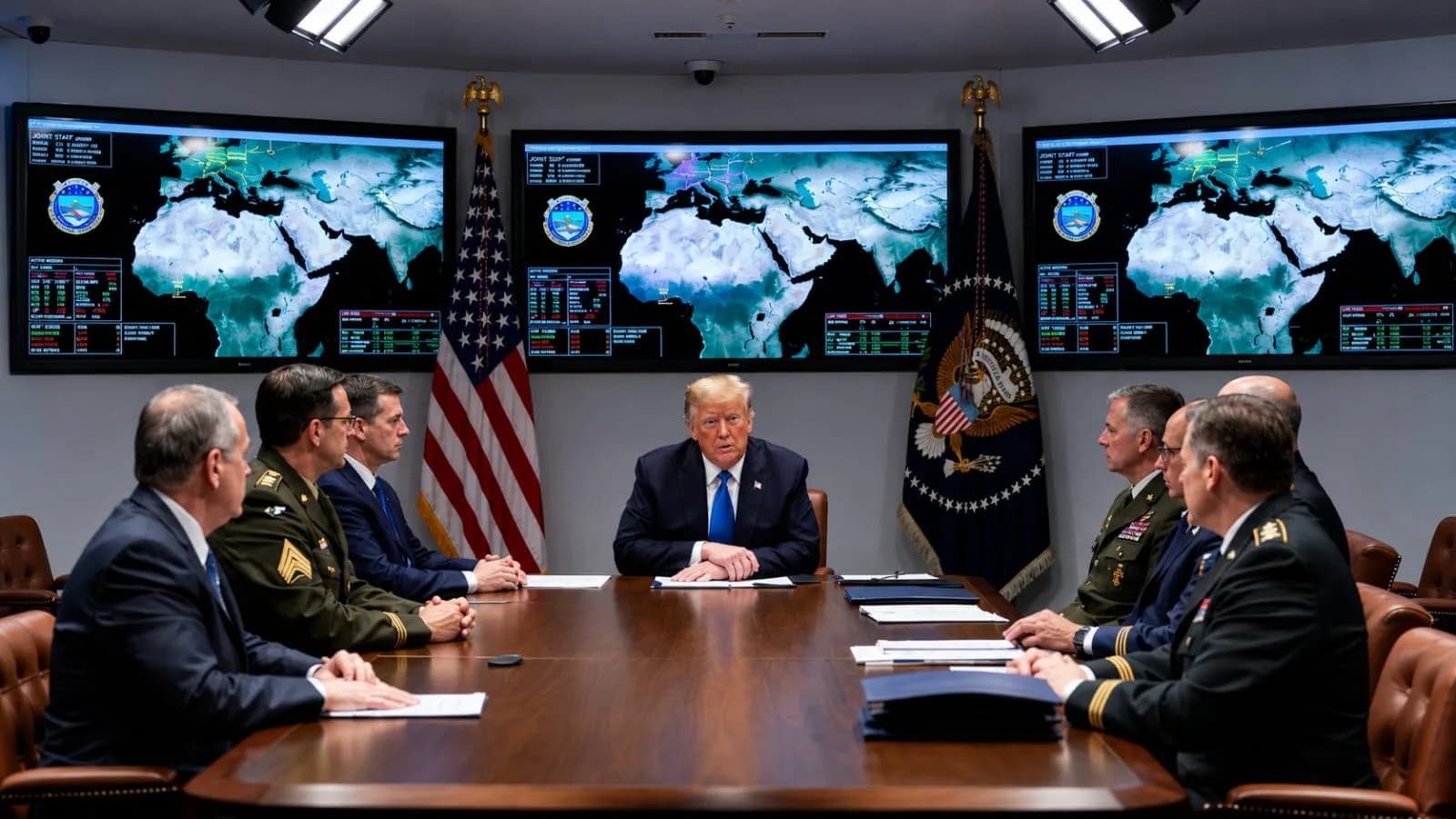
In an NBC interview, US President Donald Trump also said the Strait of Hormuz was open, directly contradicting Iran’s claim. The US-backed Joint Maritime Information Center said the southern route through the strait remained open for two-way traffic.
The UN chief, António Guterres, urged both sides to stop the fighting and resume talks, with spokesman Stéphane Dujarric saying, “These attacks must stop.”
The US Navy just turned back 8 Iranian oil tankers in the Strait of Hormuz, forcing them to reverse course.
— Jack Prandelli (@jackprandelli) July 12, 2026
Iran closed the strait to everyone.
The US Navy is now deciding whose oil actually moves through it.
That is the 5th Fleet doing exactly what the chokepoints table says… pic.twitter.com/rgtW24jji6
The ripples spread far beyond the strait
The latest escalation followed an incident involving a commercial vessel off Oman, where the crew abandoned the ship after it suffered serious damage and one civilian crew member remained missing.
Kuwait’s defense ministry said three border posts in the north and an offshore drilling rig were damaged in what it called a “hostile, criminal attack,” with one worker injured.
The UAE also said its air defense systems had been activated in response to a missile threat.
Together, the developments point to a widening confrontation in and around the Gulf, with shipping security, energy infrastructure, and regional stability all now in the crosshairs.
Also Read | Syria’s first post-Assad parliament takes shape as constitutional process begins
FAQs
Q1: Why is the Strait of Hormuz important to global trade?
The Strait of Hormuz is a vital shipping route through which a significant share of the world’s oil and liquefied natural gas exports passes.
Q2: Did Iran actually close the Strait of Hormuz?
Iran’s IRGC declared the strait closed, but the US said maritime traffic continued and the waterway remained open.