














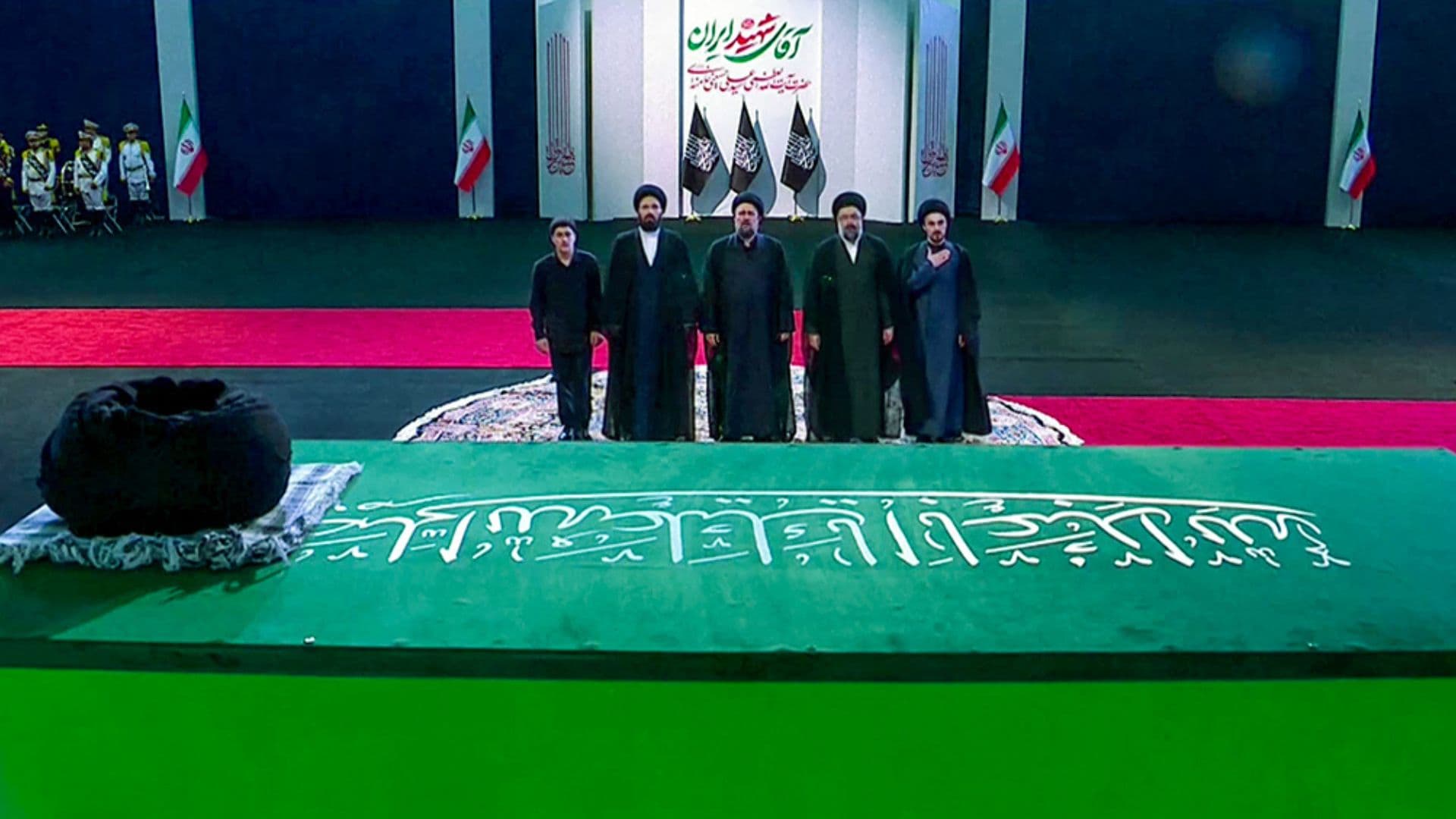
More than four months after Iran’s Supreme Leader, Ayatollah Ali Khamenei, was killed in a US-Israel strike on February 28, questions continue to surround the long delay before his funeral. His last rites officially began on Friday and will continue across multiple cities in Iran and neighbouring Iraq before his burial in Mashhad on July 9.
The prolonged gap between his death and funeral has drawn attention to two key questions. Why was the funeral delayed for so long, and how was his body preserved during that period?
Why was Ali Khamenei’s funeral delayed?
Iran postponed Khamenei’s funeral several times following the conflict with the US and Israel. According to available information, the delays were mainly linked to security concerns during the Iran-US war, which concluded last month after an interim peace agreement.
Also Read | Ali Khamenei funeral: Why Iran delayed burial for four months
The Special Representatives of the Government of the Republic of India, Bihar Governor Lieutenant General (Retd.) Syed Ata Hasnain and Mr. Pabitra Margherita, Minister of State for External Affairs, paid tribute to the martyred Leader of the Islamic Republic of Iran. pic.twitter.com/bFVgxV6XSn
— Iran in India (@Iran_in_India) July 3, 2026
Although Iranian authorities did not reveal where Khamenei’s body was kept, officials maintained that it was handled according to religious and legal guidelines.
“The bodies have been preserved with the utmost respect and care, in accordance with Islamic and legal standards. They have neither been buried nor placed in safekeeping (as a trust) anywhere,” Iman Attarzadeh, spokesperson for the Special Headquarters for the Funeral and Burial of Ali Khamenei, was quoted as saying by Euro News.
Was Khamenei’s body kept in cold storage?
Iran has not officially disclosed the preservation method. However, experts believe refrigerated cold storage is the most likely explanation.
“The mechanism is almost certainly refrigerated cold storage, not embalming, as Islam bars chemical embalming,” counterterrorism expert Dr Omar Mohammed told Fox News Digital.
He further said, “Shia law allows delayed burial and preservation by cold in exceptional cases, and a clerical exemption for a Supreme Leader is easy to get.”
Islamic traditions generally call for burial soon after death. However, religious experts note that exceptional circumstances can allow a delay without violating Shia religious principles.
Funeral begins in Tehran
Khamenei was killed in the February 28 strike along with several members of his family, including his daughter, son-in-law, daughter-in-law, and his toddler granddaughter.
According to Reuters, Khamenei’s coffin was unveiled on Thursday night before large crowds of mourners in Tehran. Supporters gathered in grief, with flowers being thrown toward the bier as prayers and laments filled the hall.
Also Read | High alert, foreign leaders and millions of mourners: Iran prepares for Ali Khamenei’s six-day funeral
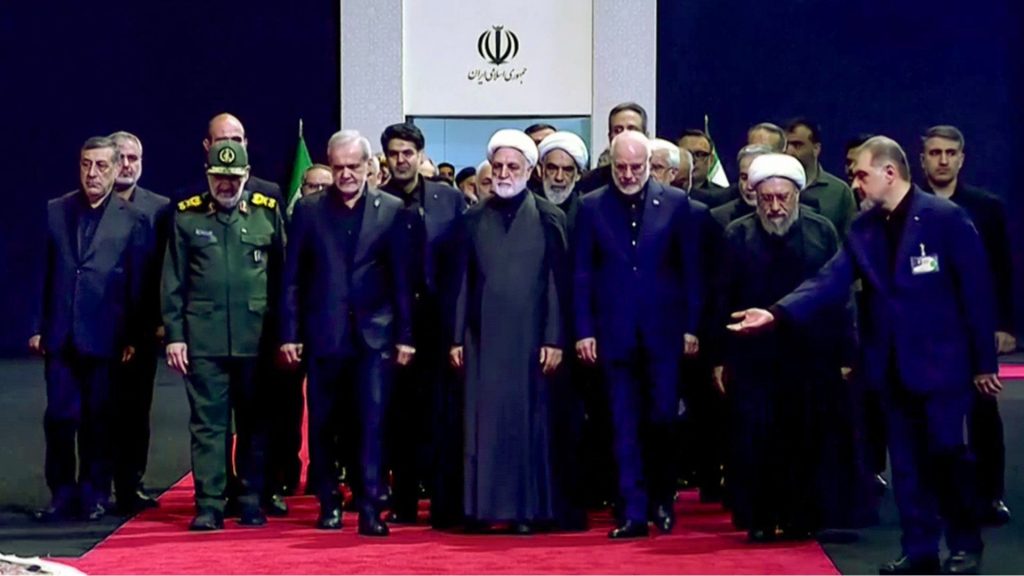
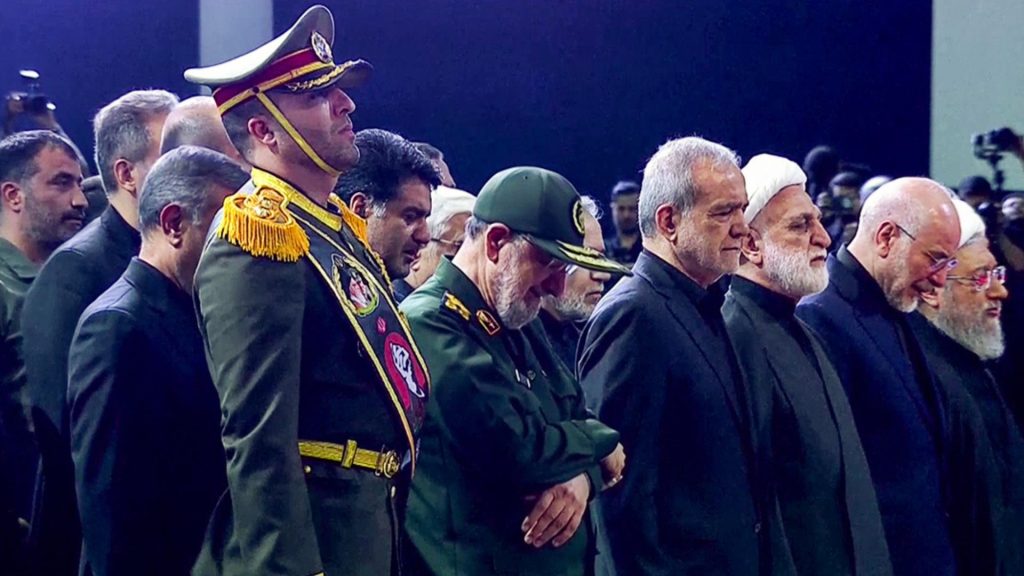
On Friday, the coffins of Khamenei and his family members were placed in Tehran’s Grand Mosallah for public tributes. While senior Iranian leaders attended the ceremony, his son and Iran’s new Supreme Leader did not make a public appearance. Reports have suggested he suffered serious injuries during the strikes that killed several members of his family, though there has been no official confirmation.
FAQs:
Why was Ali Khamenei’s funeral delayed for 125 days?
Iranian authorities delayed the funeral mainly because of security concerns during and after the Iran-US conflict.
How was Ali Khamenei’s body preserved for 125 days?
Experts believe it was kept in refrigerated cold storage, as Islamic tradition generally prohibits chemical embalming.