





















Being a kind, honest and well-intentioned person is often seen as the foundation of a successful marriage. Many people assume that if two “good” individuals come together, a happy relationship is almost guaranteed. However, mental health experts say that while kindness is essential, it is only one piece of a much larger puzzle.
According to a mental health expert, relationship satisfaction depends not only on good intentions but also on emotional intelligence, communication, compatibility and the ability to navigate life’s inevitable challenges together. A healthy marriage is built through consistent effort, emotional safety and mutual understanding rather than personality traits alone.
Why being a good person isn’t enough
Experts explain that there is a significant difference between being a good individual and being a good partner. A person may be caring, generous and loyal, but still struggle to communicate emotions, handle disagreements or respond to a partner’s emotional needs.

Marriage brings together two people with different personalities, expectations, communication styles and life experiences. As couples navigate careers, finances, family responsibilities and daily stress, these differences naturally become more noticeable. Without the skills to manage them, even relationships between two genuinely good people can become strained.
The ‘good person trap’
One of the biggest challenges highlighted by experts is what they call the “good person trap.”
When one partner is widely regarded as thoughtful, dependable or selfless, the other may feel guilty about expressing dissatisfaction or unmet emotional needs. They may worry about seeming ungrateful because, on paper, their partner appears to be doing everything “right.”

Over time, these unspoken emotions can quietly build into resentment and emotional distance. The relationship may begin to suffer, not because either partner is intentionally hurtful, but because important conversations never take place.
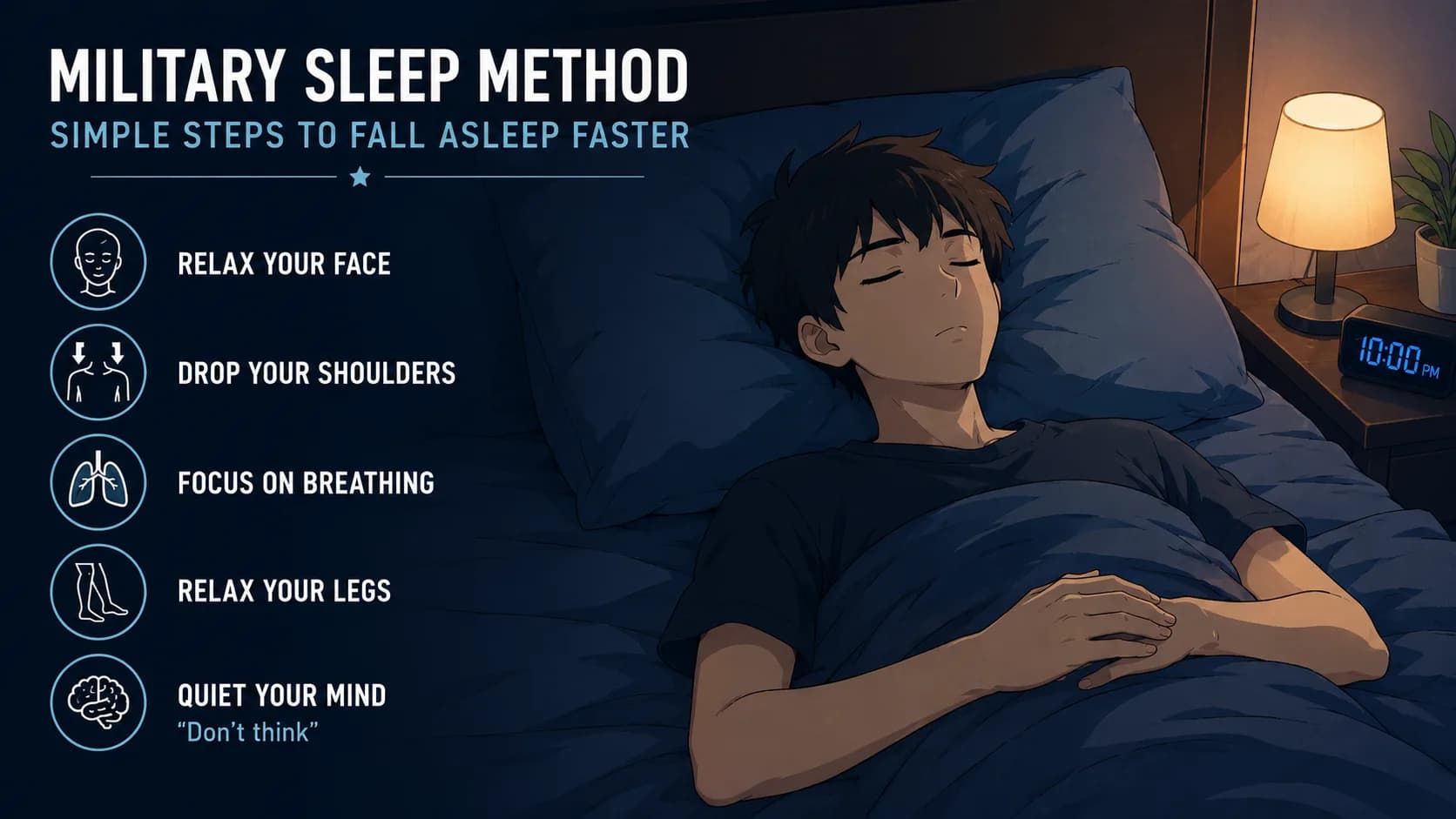
Also Read | Racing thoughts at bedtime? Try the Military Sleep Method
Experts stress that suppressing emotions to maintain peace often creates greater conflict in the long run than addressing problems openly and respectfully.
Emotional compatibility matters
Another reason good people don’t always make happy couples is emotional compatibility.
Every individual enters a relationship carrying experiences shaped by childhood, family dynamics, previous relationships and personal beliefs. These experiences influence how they express affection, respond to conflict, seek reassurance or process difficult emotions.

For example, one partner may prefer talking through problems immediately, while the other may need time and space before discussing them. Neither approach is inherently wrong, but without understanding and compromise, these differences can create repeated misunderstandings.
Experts note that compatibility is less about having identical personalities and more about learning how to understand and support each other’s emotional needs.
Communication is the strongest predictor of relationship health
Mental health professionals consistently emphasise that communication is one of the strongest indicators of a healthy marriage.
Couples who openly discuss expectations, apologise when necessary, validate each other’s feelings and resolve conflicts respectfully are generally better equipped to maintain long-term relationship satisfaction.
Also Read | Inside the luxury suite where Tom Holland is staying in Mumbai
By contrast, avoiding difficult conversations, assuming partners can read each other’s minds or expecting love alone to solve every problem often leads to disappointment.
Healthy communication also creates emotional safety, allowing both partners to express vulnerability without fear of criticism or rejection.
Healthy marriages require continuous effort
Experts say that successful marriages are not built because two perfect people found each other. Instead, they are built by two imperfect people who remain committed to understanding, respecting and growing alongside one another.
Relationship skills such as empathy, active listening, emotional regulation, compromise and mutual respect often matter far more than simply being a “good” person. Couples who continue learning about each other, adapt to life’s changing circumstances and work together through challenges are more likely to build lasting and fulfilling relationships.
Ultimately, kindness is an important starting point, but lasting marital happiness depends on much more than good intentions. It requires emotional maturity, honest communication and a shared willingness to nurture the relationship every day.
FAQs
Can two good people have an unhappy marriage?
Yes. Experts say that while kindness is important, healthy marriages also require communication, emotional awareness, conflict resolution and compatibility.
What is the ‘good person trap’ in relationships?
It refers to a situation where one partner’s “good” image makes the other reluctant to express dissatisfaction, leading to bottled-up emotions and growing resentment over time.