




















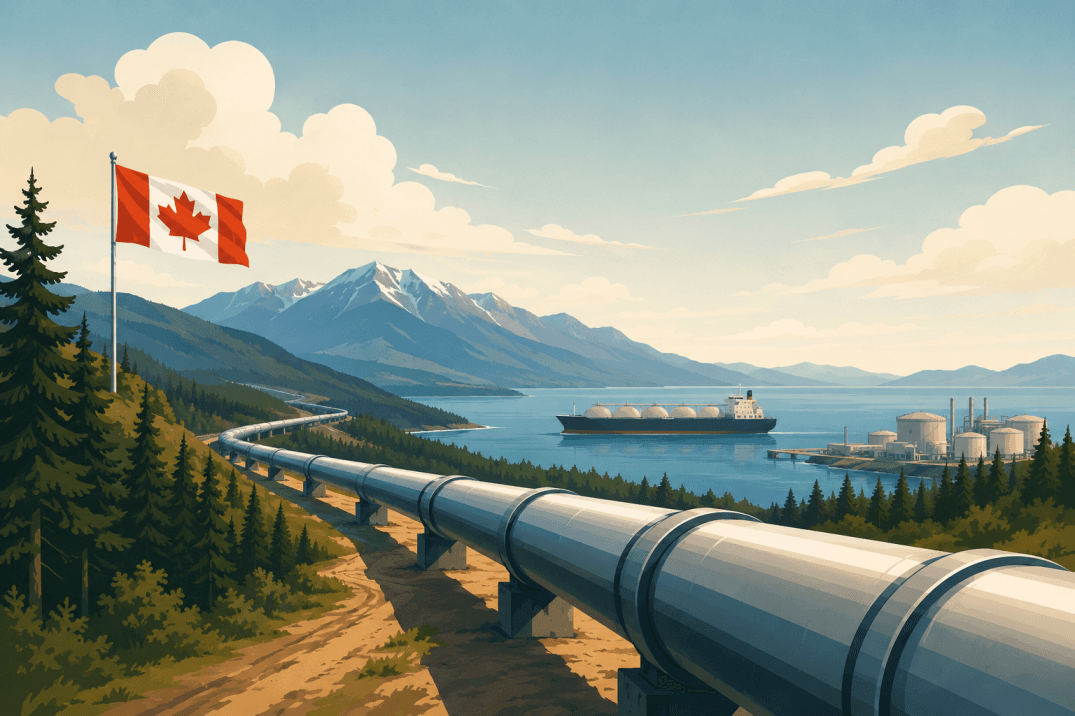
The Canadian federal government and Alberta said on 2 July that they would proceed with the pipeline, a major oil export project designed to widen Canada’s access to overseas markets and reduce reliance on the United States.
Prime Minister Mark Carney shuttled between British Columbia and Alberta to announce the package, presenting it as part of a broader effort to strengthen domestic industry at a time he described as a more divided and dangerous world.
In Vancouver, he said Canada needed to “move faster, build bigger, and work together.” The announcement also bundled in spending for a Vancouver port expansion, power infrastructure for a new liquefied natural gas terminal, and new protections for the endangered southern resident killer whale.
Also Read | Why America’s 250th birthday is splitting public opinion across the US
JUST IN: 🇨🇦 Canada plans to build a new oil pipeline to the Pacific coast starting in 2027.
— CryptoTweets (@CryptoTweets) July 3, 2026
The pipeline would move up to 1 million barrels of oil per day.
Prime Minister Mark Carney called it a “once-in-a-lifetime opportunity” to turn Canada into an energy superpower.
The… pic.twitter.com/TKWR7c898V
Steel, strategy and the Pacific horizon
The proposed line will follow much of the existing Trans Mountain corridor before diverting to a new terminal on the Pacific coast.
It is expected to move 1 million barrels a day. The construction could begin in September 2027. According to Reuters, Trans Mountain Corp and Pembina Pipeline Corp will be involved in building the project, with the federal and Alberta governments as majority owners and Pembina taking a 10% stake during construction.
The project has also been submitted for fast-track regulatory review, underscoring how central the pipeline has become to Ottawa’s push to expand energy exports while keeping the plan politically workable in British Columbia.
Canada has everything it needs to become an energy superpower.
— Danielle Smith (@ABDanielleSmith) July 3, 2026
Today, Alberta’s government submitted our West Coast Oil Pipeline application, along with new industry partners, to the federal Major Projects Office for Project of National Interest designation.
This… pic.twitter.com/AA9t8S2OhA
The bargain behind the barrels
Carney said Canada and Alberta would be “equal partners” in the project and promised “a meaningful ownership stake for Indigenous communities.”
He also said the two governments would work toward “substantial” methane reductions, with consultations to begin immediately with Indigenous communities, provinces, and territories.
A key element of the deal is the federal tanker ban on British Columbia’s north coast, which remains in place. That safeguard has long been treated by First Nations as non-negotiable, and it helped shift the project away from the northern route that Alberta premier Danielle Smith had previously backed.
Coastal First Nations president Marilyn Slett welcomed the retention of the ban, while British Columbia premier David Eby said his government would not fight the project after what he described as hard lessons from the earlier Trans Mountain court battle.
Yesterday's pipeline announcement is yet another reminder that Prime Minister Carney cares more about lining the pockets of his corporate friends than upholding the Constitutional rights of Indigenous peoples and protecting the public from the escalating climate emergency.
— Leah ProudLakota (she/her) (@LeahGazan) July 3, 2026
It’s… pic.twitter.com/DtnbprVS3Y
Every grand design has its detractors
The political compromise leaves environmental and economic criticism intact. The move toward the southern route reflects officials’ view that Indigenous opposition could otherwise slow the project, while Alberta has argued the route is the most practical way to expand exports.
Smith called it “the fastest, most cost-effective path to expanding Canada’s energy exports.” The Climate Action Network said it agreed with Carney’s warning about a “treacherous moment of geopolitical instability” but argued climate change is the bigger threat and that expanding fossil fuel production is dangerous.
The Trans Mountain expansion remains one of the largest and most expensive infrastructure overruns in Canadian history, with critics warning taxpayers could end up carrying most of the cost of a project that could run into the tens of billions of dollars.
Also Read | Tibetan man’s fatal self-immolation outside UN revives focus on Tibet’s long-running struggle
FAQs
Q1: Why is Canada building a new west coast oil pipeline?
Ans: Canada says the pipeline will expand oil export capacity, diversify markets beyond the United States and strengthen the country’s energy infrastructure.
Q2: Who will own the new Canada west coast pipeline?
Ans: The federal government and Alberta will be equal majority owners, with Pembina Pipeline Corp holding a 10% stake during construction.