





















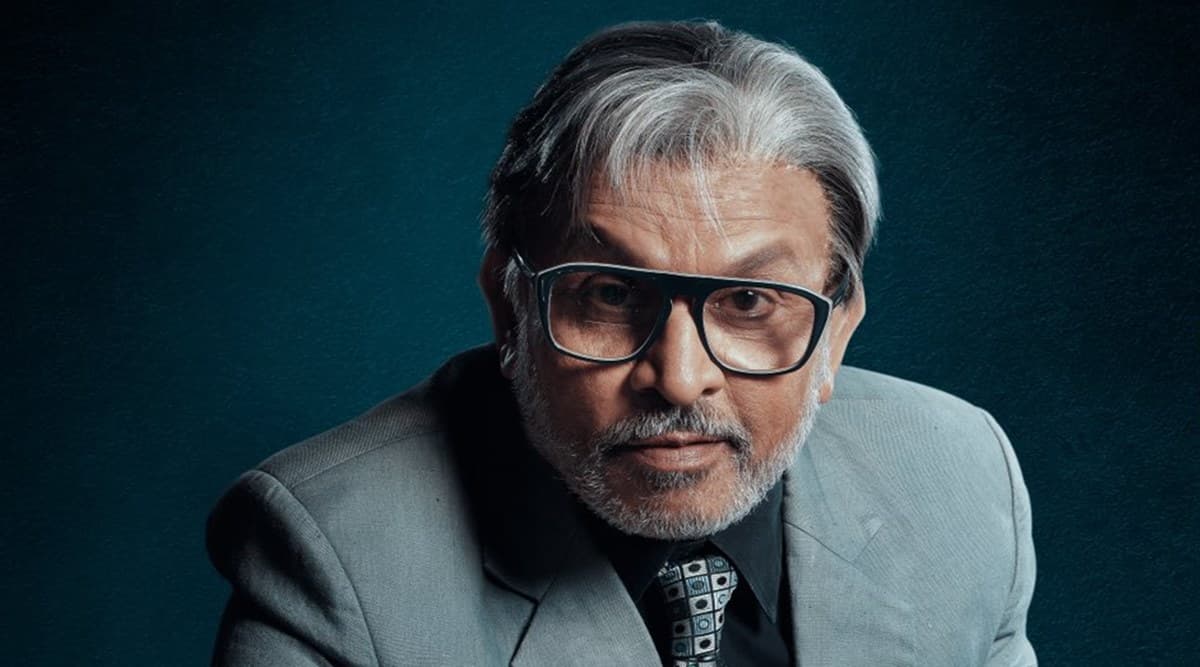
Veteran actor Annu Kapoor believes that while big-budget spectacles continue to dominate headlines, it is ultimately a film’s story that decides whether it resonates with audiences. The actor, who will next be seen leading Uttar Da Puttar, says he has never measured a project by its scale and instead focuses on the quality of its script.
As per Hindustan Times, Speaking about his approach to filmmaking, Kapoor said his priorities remain simple.
“I am just concerned about the script and content. There should be good understanding , compatibility and respect , between the actor and the director, and I should get my fees. The rest of the things do not bother me much.”
He added:
“Big or small, I give my best and strive to deliver quality work with excellence.”
Powerful stories can create lasting impact
To explain why content remains the biggest factor behind a film’s success, Kapoor pointed to the 1983 classic Ardh Satya, starring Om Puri and directed by Govind Nihalani.
As per Hindustan Times quoted in their report, the actor said that, the film proved decades ago that a modestly budgeted project with a compelling story could leave a lasting impact on Indian cinema.
“43 years back, we had a small film with non-commercial actor Om Puri and director Govind Nihalani. It set a trend in the country! So, if the content is powerful and the subject is fresh, people will certainly come to theatres to watch such films.”
High ticket prices are affecting theatre footfall
Kapoor also acknowledged that expensive multiplex tickets have become a major challenge for cinema halls.
He believes theatre owners need to rethink how they attract audiences instead of relying solely on premium pricing.
“People who are building and running multiplexes need to figure out how to attract the audience and make them enter the theatre. They need to work on these logistics. Highly priced tickets are surely affecting cinema viewing.”
Audiences should continue supporting theatres
Drawing a comparison with the solidarity shown during the pandemic, Kapoor urged moviegoers to continue backing theatrical releases despite weather conditions or changing viewing habits.
Also Read | Aamir Khan ties the knot with Gauri Spratt in a private ceremony; here are the updates
“Just like during the pandemic, when people came forward to support each other, audiences now need to support theatres because we are again going through a tough phase. It may be raining in some places or extremely hot in other parts of the country, but it is important that the audience goes to the theatre. It is crucial for the industry and for cinema.”
A science teacher torn between logic and belief
In Uttar Da Puttar, directed by Ravinder Siwach, Kapoor portrays a physics professor who unexpectedly places great faith in vastu shastra and other occult sciences.
Describing the role, he said:
“It is about a Physics professor, and the anomaly is that he is obsessed with vastu shastra and various other occult sciences. It was a beautiful conflict – a science teacher who believes in real facts, yet has a deep faith in occult science. It was great working with Rukhsar Rehman, and my old colleagues Pawan Malhotra, Brajendra Kala and others.”
When asked about his own views on vastu, Kapoor offered a balanced perspective.
Also Read | Dhamaal 4 cleared by CBFC With U/A 13+ certificate, obscene gestures and words modified
“In my younger days, I did some study on it and found that astrology and astronomical calculations are closer to science. Otherwise, it is all aastha, vishwas or andhvishwas. Since I am a student of science, I like to know things rather than just blindly believe in something.”
FAQs
What did Annu Kapoor say about big-budget films?
Annu Kapoor said a film’s budget cannot guarantee success, adding that compelling stories and strong content ultimately determine whether audiences connect with a movie.
What role does Annu Kapoor play in Uttar Da Puttar?
He plays a physics professor who believes in vastu shastra and other occult sciences, creating an interesting conflict between scientific thinking and personal faith.